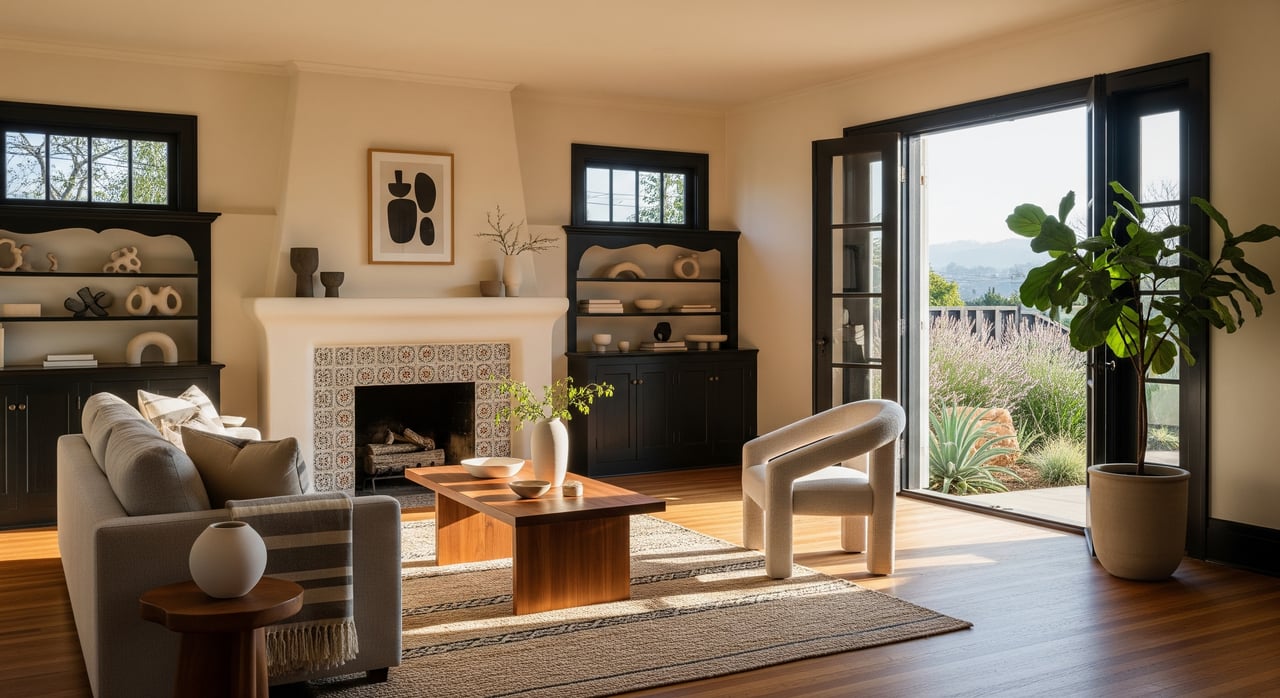
Getting your Highland Park home ready to sell can feel like a juggling act. You want to honor the character buyers love while making every square foot feel bright, open, and move-in ready. With the right staging strategy, you can help buyers picture daily life in your home and inspire stronger offers. This room-by-room guide gives you clear, local-first steps to highlight historic details, improve flow, and show off outdoor living. Let’s dive in.
Why staging matters in Highland Park
Many Highland Park homes have original woodwork, built-ins, and period windows that buyers value. Good staging puts those details front and center. It also solves for common local challenges like compact rooms, modest lots, and mixed finishes from past remodels.
Buyers here often look for a blend of preserved charm and modern convenience. Your goal is to keep the look neutral, bright, and consistent while showing how each space functions. Small improvements, clean lines, and thoughtful lighting can make a big difference in photos and in person.
Room-by-room staging guide
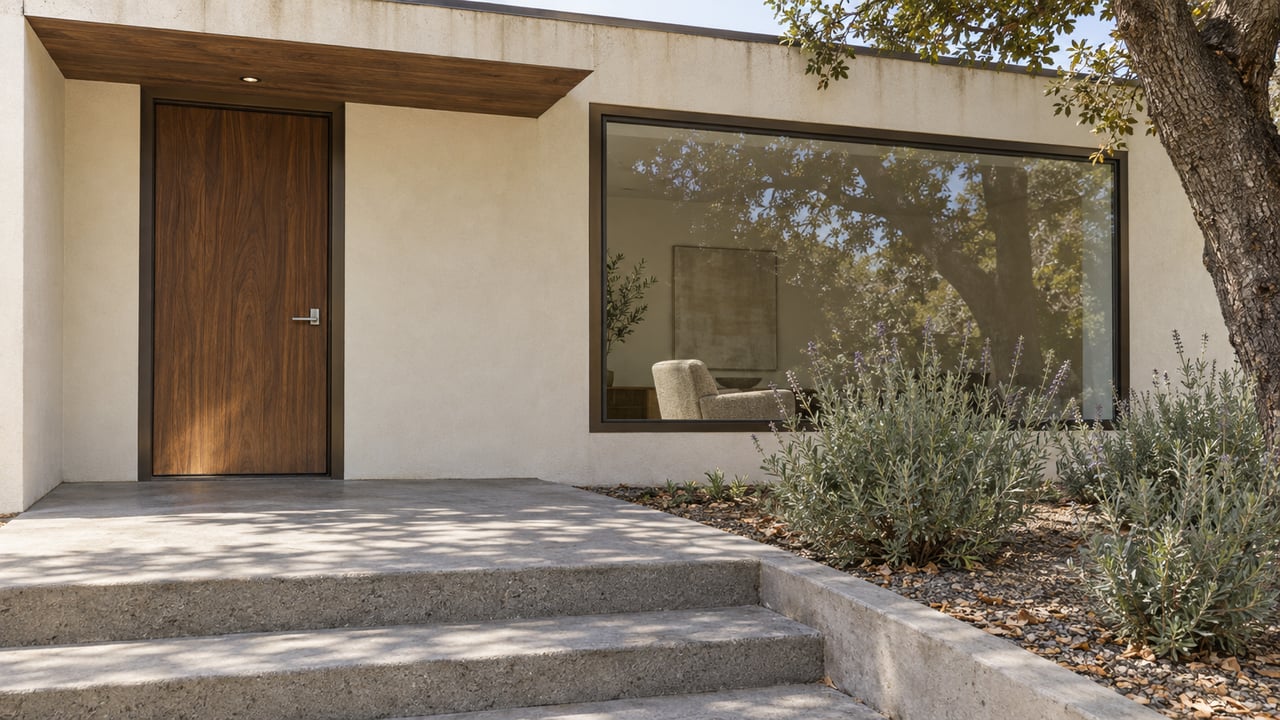
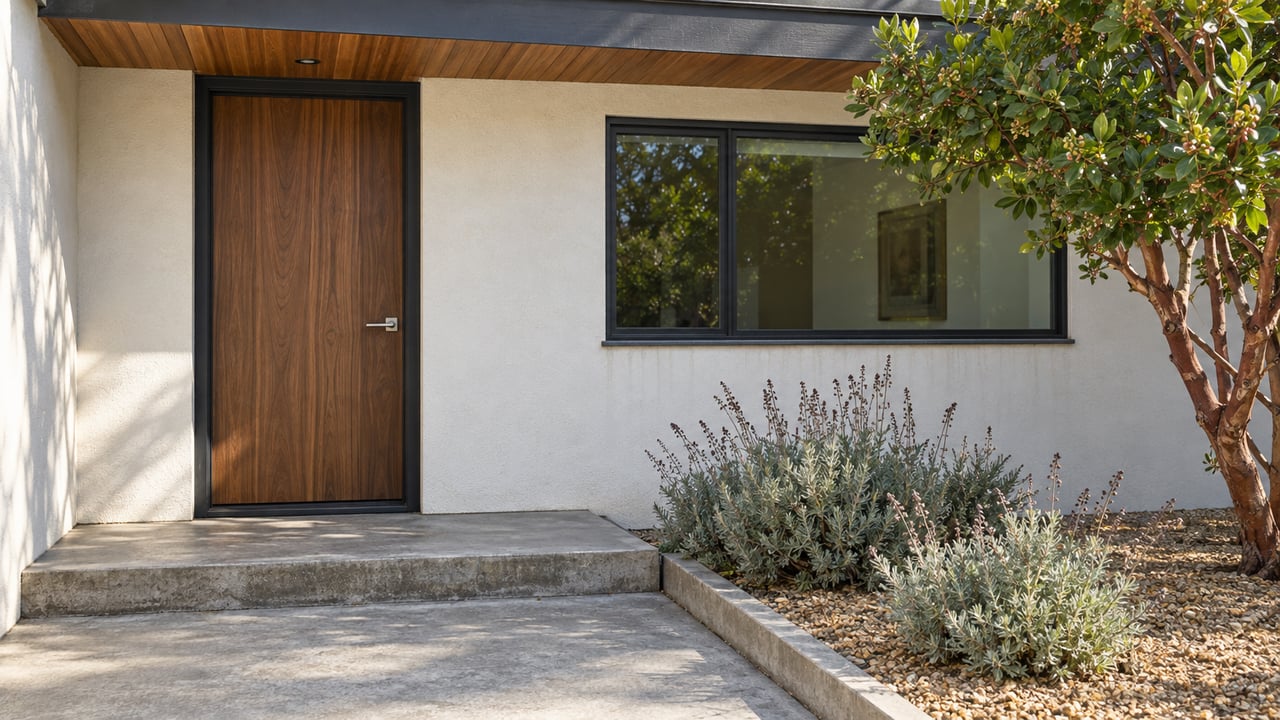
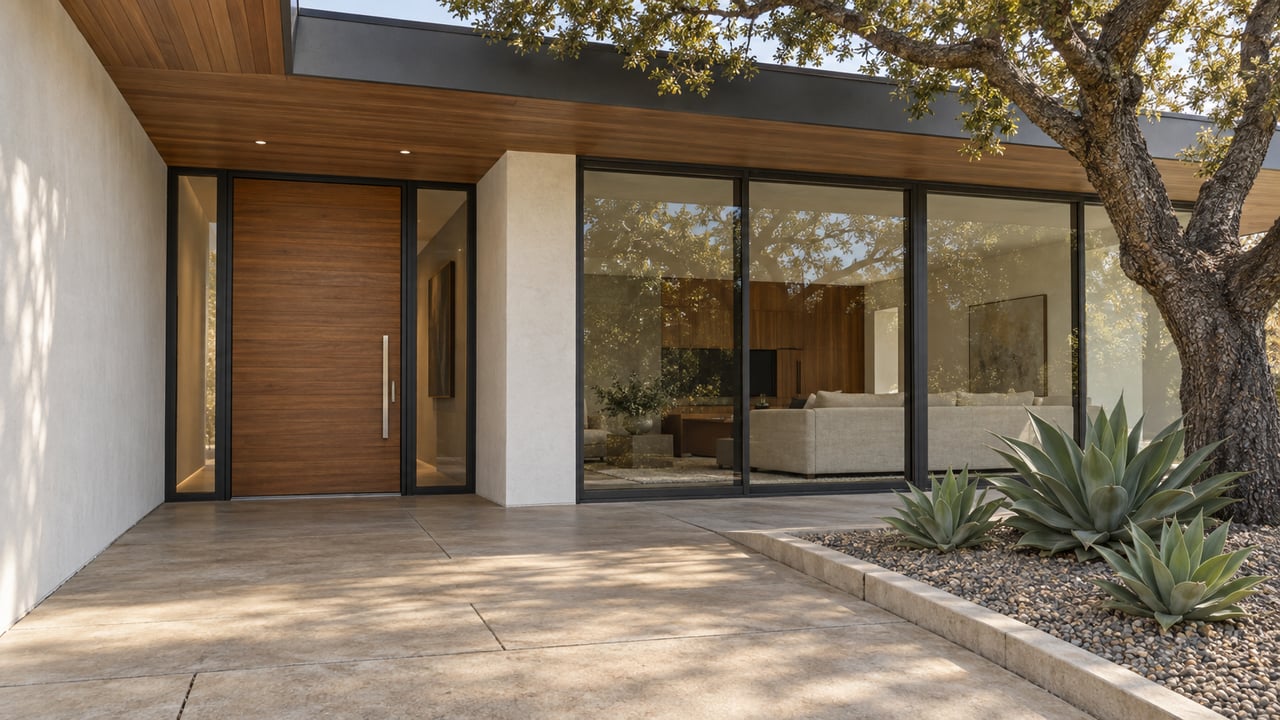
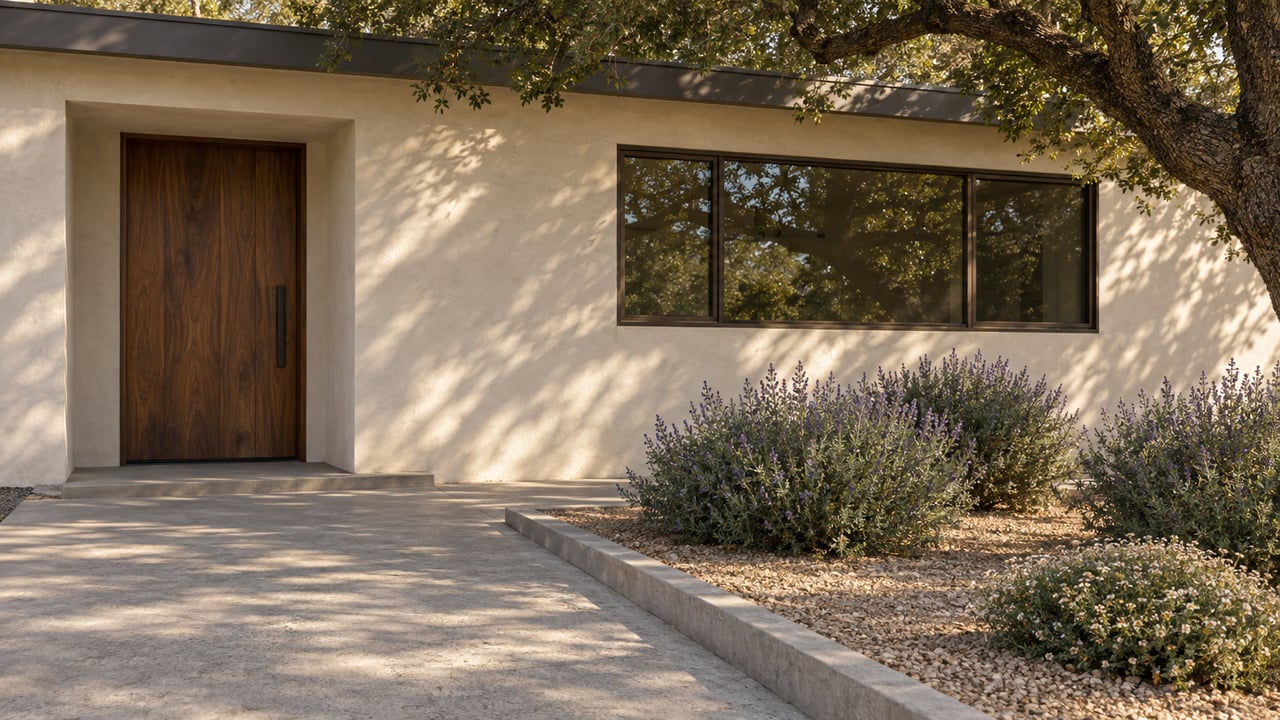
Entry and front porch
Your entry sets the tone. A clean, welcoming porch tells buyers the home is cared for and move-in ready.
- Clean and repair steps, railings, and hardware. Polish the knob and update address numbers if needed.
- Clear clutter like shoes and bikes. Add one or two climate-appropriate potted plants.
- Make sure the door opens smoothly and the porch light works. Place a neutral, fresh welcome mat.
- Quick fixes: repaint or refinish a chipped front door and replace burnt-out exterior bulbs.
Living room or family room
This is the emotional hub for many buyers. Create a clear focal point and easy traffic flow that feels spacious, not crowded.
- Arrange seating to face a focal point like a fireplace or a large window. Keep sightlines open to adjacent rooms.
- Choose furniture with the right scale. Avoid overstuffed pieces that shrink the room.
- Use a simple rug to anchor the seating area. Remove extra chairs and small tables that clutter the space.
- Swap personal photos for neutral art that complements period details.
- Layer lighting with an overhead fixture, a floor lamp, and a table lamp.
- Quick fixes: deep-clean or steam clean upholstery and rugs. Remove heavy drapes to let in light.
Kitchen
Kitchens often make or break a showing. Present a functional, airy space with clean surfaces and updated touchpoints.
- Clear counters completely. Leave one or two styled items like a bowl of lemons or a cookbook.
- Clean appliances, sink, and grout. Polish faucets and shine stainless surfaces.
- Replace dated cabinet hardware for a quick, low-cost update if needed.
- Remove magnets and notes from the refrigerator. Style a small tray or vase on the island.
- If counters feel crowded, store extra stools and small appliances to show prep space.
- Quick fixes: add fresh dish towels, reseal grout, and replace under-cabinet bulbs.
Dining room
Buyers want to understand scale and flow. Keep it simple and intentional.
- Set the table with placemats and a neutral centerpiece to show how many can dine comfortably.
- Remove extra chairs or oversized furniture that crowds the room.
- Clean the light fixture and check the hanging height for balanced illumination.
Primary bedroom
The primary suite should feel calm, clean, and spacious. Less is more here.
- Make the bed with neutral linens. Use one throw and two coordinated pillows for balance.
- Keep furniture minimal so you can walk easily around the bed.
- Edit the closet to show space. Remove about half the items and organize what's left.
- If a TV dominates the room, remove it or make sure it blends into the design.
- Quick fixes: refresh linens and declutter nightstands.
Secondary bedrooms, office, or flex spaces
Purpose sells. Show clear use so buyers imagine how they will live.
- Decide on a function. In Highland Park, a home office or flexible creative space can be a strong selling point.
- Keep colors and décor neutral. Include a desk, lamp, and small shelf for an office setup.
- Use smaller-scale pieces or fold-away furniture in tight rooms to maximize space.
- Quick fixes: add a task lamp, a slim chair, and simple art to define the room.
Bathrooms
Sparkle is the goal. Buyers notice cleanliness and updated details.
- Deep clean grout, tile, and fixtures. Recaulk where needed.
- Use fresh white or neutral towels, staged neatly. Replace stained shower curtains and mats.
- Clear countertops. Store personal items out of sight.
- Fix slow drains or running toilets.
- Quick fixes: new toilet seat, updated vanity hardware, and a clean soap dispenser.
Laundry and utility rooms
Make utility spaces feel organized and useful.
- Clear out detergents and supplies. Wipe down machines.
- Add a basket and a small shelf to suggest storage and function.
Garage and storage
Show capacity and flexibility without clutter.
- Declutter and sweep the floor. Remove non-essential items.
- Stage lightly as storage, parking, or a small workshop depending on likely buyer needs.
Outdoor spaces and small yards
Outdoor living is a major draw in Highland Park. Even a compact patio can feel like an extra room.
- Create a small outdoor dining or lounge zone with appropriately scaled furniture.
- Use drought-tolerant plants like succulents and native varieties to signal low maintenance.
- Clean patios, power-wash concrete, and repair fencing or gates.
- Make sure pathways are clear and add simple lighting for evening showings.
- Quick fixes: add outdoor cushions, potted succulents, and tasteful string lights.
Bonus spaces and ADUs
Clarity builds buyer confidence. Make sure purpose and status are clear.
- Stage as a defined use such as guest suite, ADU, or media room.
- Disclose whether spaces are permitted or unpermitted. Do not present unpermitted areas as legal living space.
Scale, light, and flow: small-room strategies
- Choose smaller-scale sofas, open-legged chairs, and multifunction pieces like storage ottomans.
- Use mirrors opposite windows to amplify natural light and expand the feel of the room.
- Keep pathways at least a couple of feet wide so buyers can walk easily.
- Layer lighting with overhead, floor, and table lamps to brighten darker corners.
Historic features: showcase, don’t hide
Many Highland Park homes include original woodwork, built-ins, stained glass, or mantels. Highlight these features rather than covering them with heavy décor or large furniture. If your property falls under a historic overlay, check city preservation guidelines before altering protected elements. The goal is simple. Let the character do the talking while the staging supports it.
Budget and options: DIY to full-service
You have several ways to approach staging. Choose the path that matches your timeline, budget, and the home’s condition.
- DIY declutter and small purchases. Least expensive. Focus on cleaning, editing furniture, and a few high-impact accessories.
- Professional consultation. Commonly in the low hundreds of dollars for an hour or two to create a custom checklist.
- Partial staging. Stage key rooms like the living room, kitchen, and primary bedroom. Cost ranges from hundreds to a few thousand dollars depending on inventory and labor.
- Full-home staging. Best for vacant properties. Typically in the low thousands to several thousand dollars with monthly rental fees for inventory.
Request 2 to 3 itemized quotes from local stagers with historic-home experience. Ask for references and before-and-after photos. A clear scope avoids surprises and helps you focus on the rooms that move the needle.
Timeline: a simple two- to three-week plan
- 2 to 3 weeks before listing. Declutter, complete small repairs, and schedule a staging consultation.
- 1 to 2 weeks before listing. Move out excess items, deep clean, and complete staging. Book professional photography once staging is in place.
- Listing week. Keep the home show-ready and ensure accessories are tidy before photos and showings.
Build in extra days if you plan to repaint, refinish floors, or complete larger fixes. Avoid last-minute changes that delay photography.
Photos and online presentation
Staged homes photograph better, which helps drive more online views and showings. Invest in professional real estate photography and consider a 3D tour or floor plan for remote buyers. For vacant properties, virtual staging can be a cost-effective bridge. Label it clearly so buyers know what is virtual and what is real.
Outdoor and climate-savvy details
Highland Park’s Mediterranean climate supports drought-tolerant landscaping. Consider potted succulents, native plants, mulch, or decomposed granite for a low-maintenance look. Keep irrigation and watering within local guidelines. A tidy, climate-smart yard reads as both attractive and practical to buyers.
Compliance and transparency
If your home includes additions, garage conversions, or an ADU, confirm permit status and disclose it clearly. Do not present unpermitted areas as legal living space. If your property is in a historic district or subject to preservation rules, check requirements before exterior changes. Transparency builds trust and helps avoid delays during escrow.
Quick pre-listing checklist
- Declutter and depersonalize throughout the home.
- Deep clean windows, floors, tile, and grout.
- Complete small repairs such as caulk, hardware, and sticky doors.
- Stage the living room, kitchen counters, and primary bedroom.
- Refresh outdoor spaces with simple seating and drought-tolerant plants.
- Book professional photography after staging is complete.
Ready to sell smart in Highland Park?
Staging is one of the most cost-effective ways to elevate your listing. A thoughtful plan that highlights character, improves light, and clarifies function can help you sell faster and with stronger offers. If you want a tailored, design-forward approach and hands-on coordination from consult to photography, connect with Alex Lozano. Let’s create a presentation that tells your home’s story with clarity and impact.
FAQs
What rooms should you stage first in a Highland Park home?
- Prioritize the living room, kitchen, and primary bedroom since they create the strongest first impression and appear most prominently in photos.
How can you make small Highland Park rooms feel bigger?
- Use right-sized furniture, open-legged pieces, mirrors opposite windows, and layered lighting while keeping pathways clear.
Do you need to repaint before listing?
- If walls have bold colors or scuffs, a fresh neutral coat can unify spaces and help buyers focus on the home’s features.
How should you handle historic features when staging?
- Showcase original woodwork and built-ins with minimal décor and check preservation guidelines before altering protected elements.
Are outdoor spaces worth staging in this neighborhood?
- Yes, even a small patio can feel like an extra room; add scaled furniture, simple lighting, and drought-tolerant plants.
What’s a realistic staging timeline for sellers?
- Plan two to three weeks for decluttering, repairs, staging, and professional photos, with extra time for painting or larger projects.