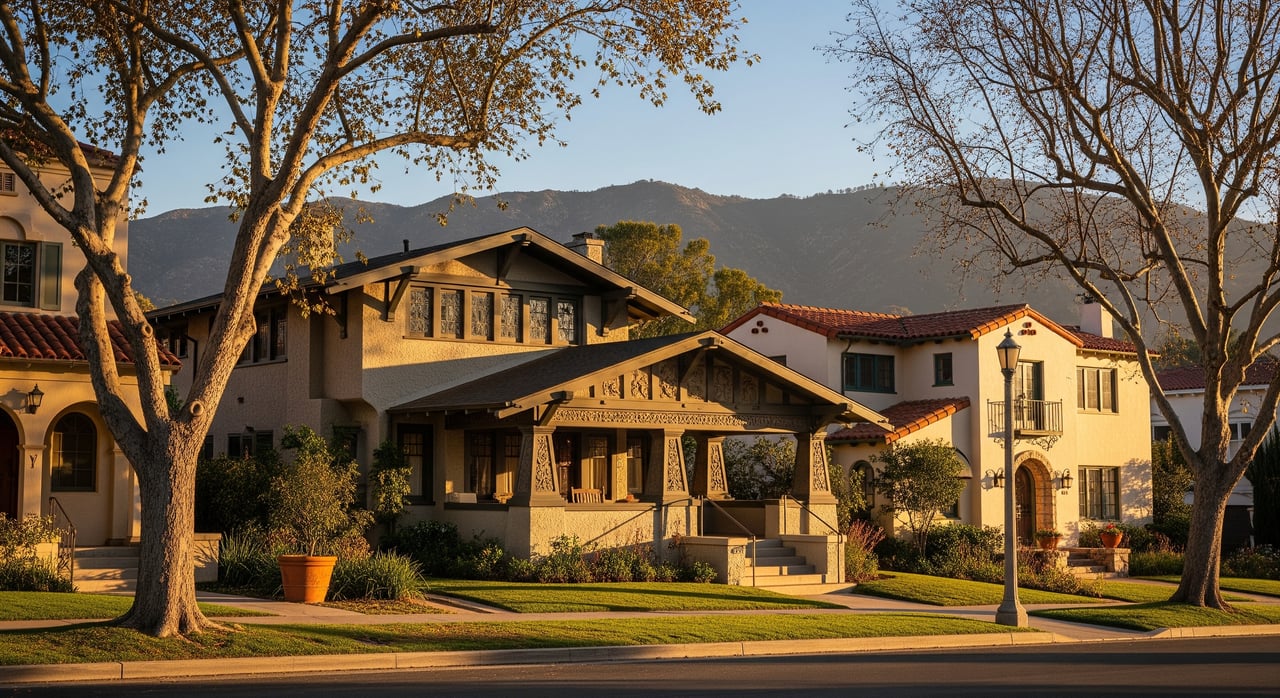
Love the patina of old wood, the glow of leaded glass, and the quiet heft of real craftsmanship? If historic homes speak to you, Pasadena is one of Southern California’s richest hunting grounds. You get beauty, character, and a neighborhood fabric that tells a story. In this guide, you’ll learn where to find Craftsman bungalows, Spanish Revival charmers, and mid-century gems within Pasadena city limits, plus what to know about preservation and smart buying. Let’s dive in.
What makes Pasadena historic homes special
Pasadena’s architectural legacy reflects waves of growth in the late 1800s through the mid 1900s. As you tour neighborhoods, you’ll notice distinct styles and details that help you read each home’s era.
Craftsman charm
You’ll spot low-pitched gabled roofs, broad porches with square or tapered columns, exposed beams, and deep eaves. Interiors often feature built-in benches and bookcases, leaded or stained glass, and rich woodwork. Greene and Greene shaped Pasadena’s Craftsman identity, and the Gamble House stands as the city’s signature example from 1908.
Spanish and Mediterranean Revival
Look for red clay tile roofs, smooth stucco walls, arched doorways and windows, decorative ironwork, and inner courtyards. Many of these homes rose in the 1920s and 1930s and appear throughout both hillside and flat neighborhoods, especially near long-established corridors like Colorado Boulevard.
Victorian, Colonial Revival, and Foursquare
Victorians often show asymmetry, decorative trim, and wraparound porches. Colonial Revival homes lean formal with classical columns and symmetry. American Foursquare designs are typically boxy two-story forms that prioritize function. You’ll find these on some of Pasadena’s oldest blocks and along key thoroughfares.
Mid-century modern
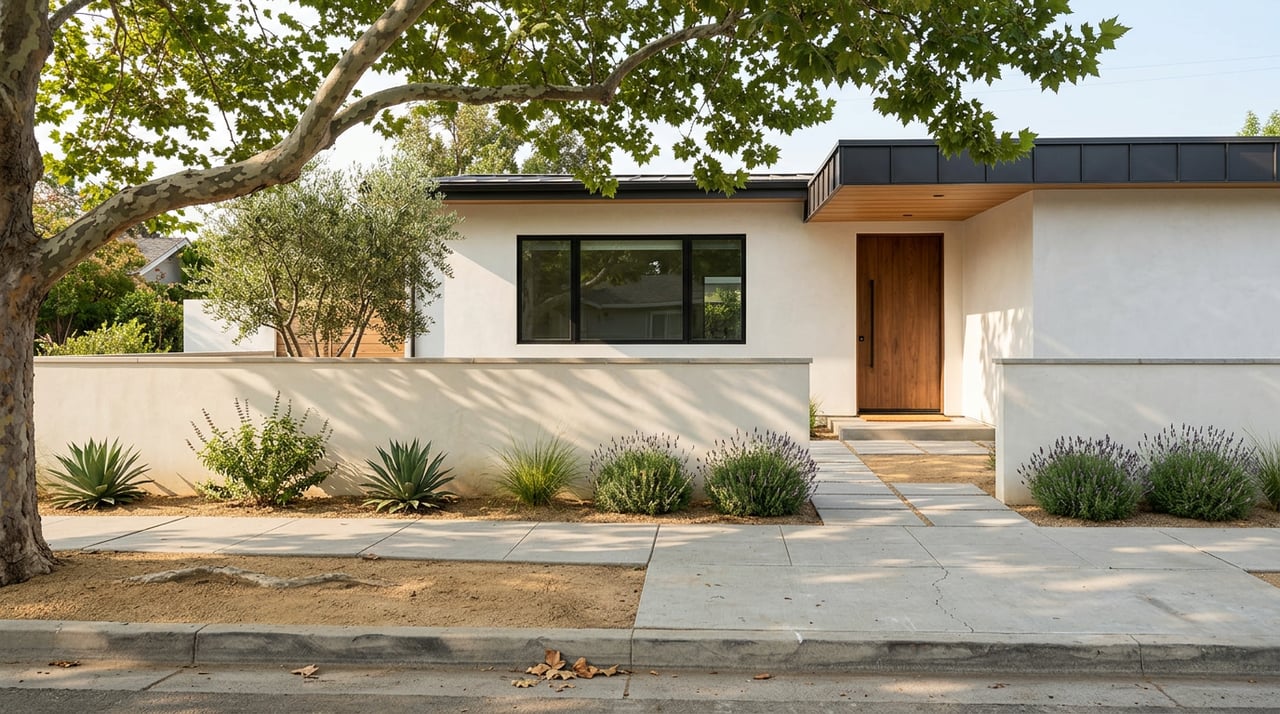
Built in the 1940s to 1960s, these homes favor open plans, post-and-beam construction, minimal ornament, and a strong indoor and outdoor connection. Expect ribbon or clerestory windows and landscape integration. Look to later subdivisions and pockets near the Arroyo, foothills, and select eastern neighborhoods.
Top Pasadena areas for historic homes
Below are neighborhoods and corridors within Pasadena city limits where historic homes concentrate. Each area offers a distinct mix of architecture, walkability, and lifestyle.
Bungalow Heaven
If your heart is set on Craftsman bungalows, start here. Bungalow Heaven is a recognized historic district known for consistent early 20th-century bungalow streetscapes and modest period revival homes. Canopy-lined blocks and careful preservation make it a favorite for design-minded buyers.
- Architecture: Predominantly Craftsman bungalows with original details.
- Walkability: Residential and quiet, with a short drive or walk to nearby commercial strips and parks along the Colorado Boulevard corridor.
- Schools and commute: Served by Pasadena Unified and near a range of private options depending on the block. Commutes to central Pasadena are manageable and Metro access is within reach by car or bike.
- Price expectations: Smaller restored bungalows can be pricier per square foot compared to similar non-landmarked homes because of the area’s historic status and demand.
- Preservation notes: As a landmark district, exterior changes often require design review. Owners here commonly retain historic features.
Arroyo and Arlington Heights (Gamble House area)
Close to the Arroyo Seco, this area showcases some of Pasadena’s most celebrated historical architecture, including high-quality Craftsman homes connected to the Greene and Greene era. You will also find Spanish Revival and larger period properties, including estate-scale lots.
- Architecture: Landmark-level Craftsman, Spanish Revival, and period estates.
- Walkability: Mixed. Some tree-lined streets are pedestrian friendly, while others feel more suburban. Recreation at Brookside Park and the Rose Bowl is a major plus.
- Lifestyle: Direct access to the Arroyo makes hiking, cycling, and community events easy.
- Price expectations: Among the priciest and most coveted in Pasadena, with premiums tied to architectural significance and proximity to icons like the Gamble House.
- Preservation notes: Homes near major landmarks typically face stronger exterior review, which preserves character and market cachet.
Madison Heights, Orange Heights, and Prospect Park
These central and south-of-Colorado neighborhoods offer a refined blend of early 1900s styles on generous, tree-shaded lots. You’ll see Colonial Revival, Mediterranean, Craftsman, and a smattering of Victorian homes that reflect Pasadena’s turn-of-the-century growth.
- Architecture: A rich mix of period styles with many individually notable properties.
- Walkability: Close to Colorado Boulevard dining and services. Streets vary from quiet residential to more activity-rich blocks.
- Commute: Central location supports easy access across Pasadena.
- Price expectations: Generally upper-middle to upscale. Larger lots, mature landscaping, and strong preservation raise values.
- Preservation notes: Design review may apply on designated streets, especially for exterior alterations.
Old Pasadena and adjacent blocks
Old Pasadena is known for late 19th and early 20th-century commercial buildings, adaptive-reuse lofts, and residential structures with period facades. If you want historic character in an urban setting, this is your zone.
- Architecture: Historic commercial blocks, loft conversions, and residences with Spanish or Mediterranean detailing.
- Walkability: Excellent. Shops, restaurants, culture, and light-rail access are all steps away.
- Housing type: Not a dense pocket of single-family historic homes, but urban lofts and nearby residential streets offer period flavor.
- Price expectations: Urban convenience commands a premium. Single-family homes just outside the core vary with lot size and vintage.
Garfield Heights and South Pasadena–adjacent corridors
Southern Pasadena neighborhoods near South Pasadena lines mix Craftsman, Spanish Revival, and early 20th-century two-story homes. Many blocks sit near commercial arteries, which can boost everyday convenience.
- Architecture: Craftsman bungalows, Spanish Revival, and period two-story homes.
- Walkability: Varies by block, with some streets offering higher walk scores due to proximity to retail.
- Price expectations: Mid to upper range depending on restoration level and amenity access.
Hastings Ranch and East Pasadena
If you love mid-century lines and larger lots, look east. Later-period suburban development here delivers post-war ranch styles and mid-century modern homes, with occasional period revival examples mixed in.
- Architecture: Mid-century modern and ranch, with select period revival pockets.
- Walkability: More car-oriented than central Pasadena, but with a calm, residential vibe.
- Price expectations: Often more attainable per square foot than central historic districts. Exceptional mid-century properties can still command a premium.
Preservation and incentives in Pasadena
Owning a historic property in Pasadena can include additional oversight designed to protect neighborhood character. This framework usually focuses on exteriors that are visible from public streets.
- Historic designation and review: Pasadena’s preservation program includes a commission that reviews alterations to designated landmarks and properties within historic districts. Expect design review for significant exterior changes.
- Outside districts: Some older homes outside designated districts may still be subject to review if they are individually landmarked or fall within certain overlays.
- The Mills Act: California’s Mills Act can reduce property taxes for owners who enter into a preservation contract on qualifying historic properties. Pasadena participates locally. Benefits vary, and contracts come with obligations and potential audits, so plan carefully and confirm details with the city.
Owning and restoring: what to expect
Restoring period features is rewarding, but it comes with unique maintenance needs. A smart plan helps you keep authenticity while updating for comfort and safety.
- Common projects: Original wood windows, built-in cabinetry refinishing, plaster repair, and period-correct hardware restoration.
- Systems and structure: Electrical and plumbing upgrades, foundation reinforcement, and earthquake retrofitting are common in older homes. Roofing may involve clay tile or wood shingles that need specialized care.
- Materials and labor: Finding craftspeople familiar with historic techniques can take time and increase costs. In some cases, in-kind replacements are required to meet preservation standards.
- Insurance and utilities: Premiums can be higher for older properties, especially before seismic upgrades. Budget for energy and system improvements to modernize performance.
- Resale impact: Well-executed restorations often enhance value. Poorly matched materials or alterations that skip review can hurt both character and future sale potential.
Buying tips for historic-home lovers
Set yourself up for success by planning your search and due diligence with a preservation lens.
- Work with local experts: Choose an agent experienced with Pasadena’s historic neighborhoods and design review process.
- Verify status early: Check whether a property is within a landmark district, is individually designated, or carries a Mills Act contract. Understand any recorded covenants or easements.
- Order thorough inspections: Go beyond standard reports. Include structural, pest, sewer, roofing, and electrical. Consider a specialist for decorative elements and windows.
- Budget wisely: Plan for ongoing maintenance and potential upgrades rather than only cosmetic fixes. Historic quality pays off over time when cared for.
- Phase your projects: Tackle safety and weatherproofing first. Then restore character-defining elements. Add modern systems and finishes in a way that respects original proportions and materials.
Where to see and learn more
If you want design inspiration before you buy, Pasadena makes it easy to study great architecture up close.
- The Gamble House: A must-see to understand Greene and Greene’s craftsmanship and Pasadena’s Craftsman tradition.
- Pasadena Heritage: Offers walking tours and resources that highlight local landmark districts and preservation guidelines.
- City of Pasadena: The Historic Preservation Commission and Planning Department share local ordinance details, district maps, and Mills Act program information.
- Pasadena Museum of History: Exhibits and context for the city’s growth and architectural eras.
- Los Angeles Conservancy and the California Office of Historic Preservation: Regional and statewide resources for best practices and program guidance.
Whether you gravitate to a porch-swing Craftsman, a romantic Spanish Revival with a tiled courtyard, or a glassy mid-century, Pasadena gives you options in a range of neighborhoods and price tiers. When you combine the right area with a thoughtful preservation plan, you get daily beauty that also holds long-term value.
If you’re ready to find your place in Pasadena’s architectural story, reach out to Alex Lozano. You’ll get design-aware guidance, local insight, and a plan that matches your goals.
FAQs
Where in Pasadena can I find the best concentration of Craftsman bungalows?
- Bungalow Heaven and the Arroyo and Arlington Heights area concentrate well-preserved Craftsman homes, including architecturally significant examples.
Are Spanish Revival homes common in Pasadena’s historic neighborhoods?
- Yes. Spanish and Mediterranean Revival homes are found citywide, especially in neighborhoods developed in the 1920s and 1930s near established corridors.
Can I modernize the interior of a designated historic home in Pasadena?
- Often yes. Most rules focus on exteriors visible from the street. Interiors can usually be updated, though special interior designations may apply in limited cases.
Do restored historic homes cost more in Pasadena?
- Generally yes, though pricing is property specific. Restored historic homes often command premiums compared to non-historic homes on similar lots, with estates in higher tiers.
How does the Mills Act help with historic-home ownership in Pasadena?
- The Mills Act can reduce property taxes for qualifying historic properties that enter a preservation contract. Benefits and obligations vary, and applications are handled locally.
Will preservation review slow down my renovation plans?
- Minor maintenance and in-kind repairs are usually straightforward. Major exterior changes often need design review and time, so early coordination with city staff helps avoid delays.