Imagine waking up to mountain light, cooler evenings, and trailheads just a few minutes from your door. That is the foothill lifestyle many people love in Altadena, paired with character homes and big-sky views. After the Eaton Fire, daily life also includes smart planning around trails, utilities, and insurance. In this guide, you will get a clear picture of nature access, microclimate, home styles, pricing, and what to know about recovery and rebuilding. Let’s dive in.
Nature access and trail life now
Altadena sits at the base of the San Gabriel Mountains, so trailheads are close and views come standard. Local favorites include the Sam Merrill trail from Lake Avenue up to Echo Mountain and the Mount Lowe Railway ruins, a signature route for weekend hikers with sweeping vistas. Before you go, check current conditions and any post‑fire closures on the LA County trail alerts for Eaton Canyon and Angeles National Forest. Expect rolling reopenings and restoration work in the canyon and surrounding picnic areas.
The Eaton Fire changed access patterns in 2025, and some areas remain in active recovery. You will still find walkable neighborhood trail starts, but it is smart to confirm status the week you plan to hike. Many residents keep an eye on updates from Eaton Canyon’s Nature Center and the County alert page.
Microclimate and views
Altadena’s foothills run cooler at night than the LA Basin, and many spots see slightly different rainfall and plant palettes than lower valley neighborhoods. Orientation matters. North-facing slopes feel cooler and more vegetated, while south and southwest exposures capture warmer afternoon sun and broader valley views. On exceptionally clear days, higher ridgelines can see all the way to the ocean.
For your yard, plan for micro-differences in irrigation and plant selection. Gardeners here often succeed with temperate plants that struggle closer to the basin. If you love outdoor living, the foothill light and evening breezes are a big part of the daily rhythm.
Homes and architecture you will find
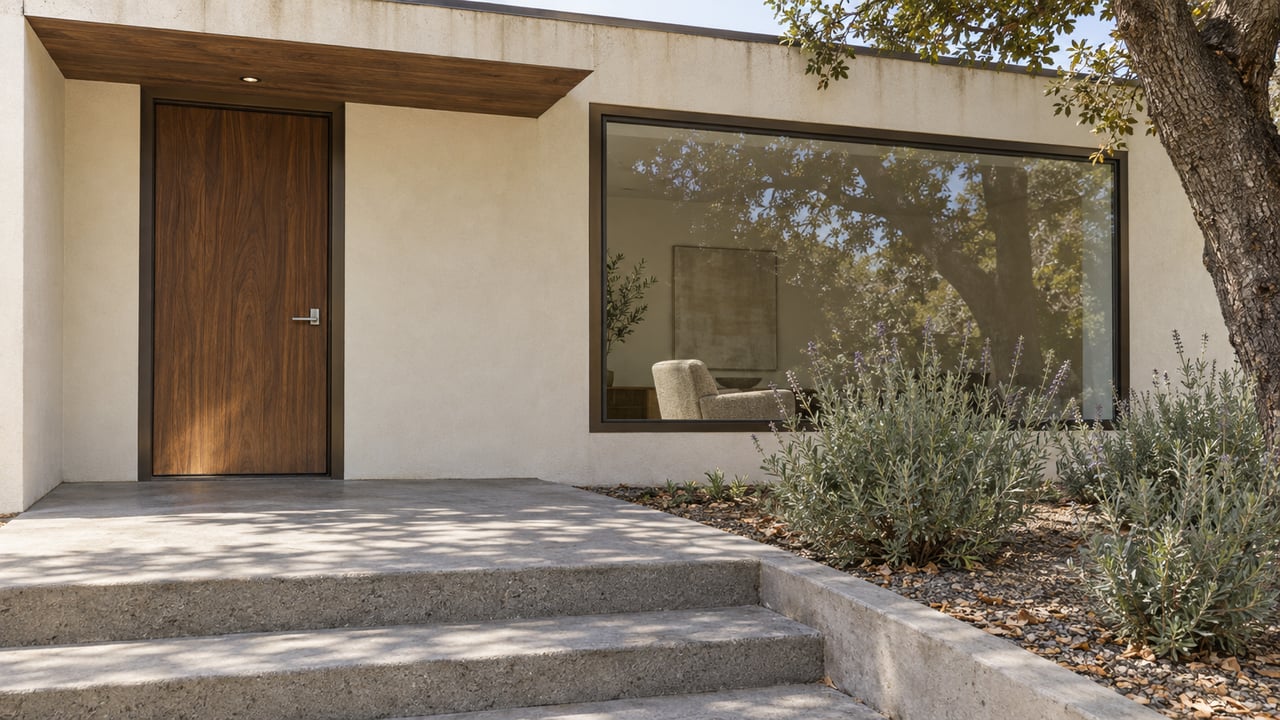
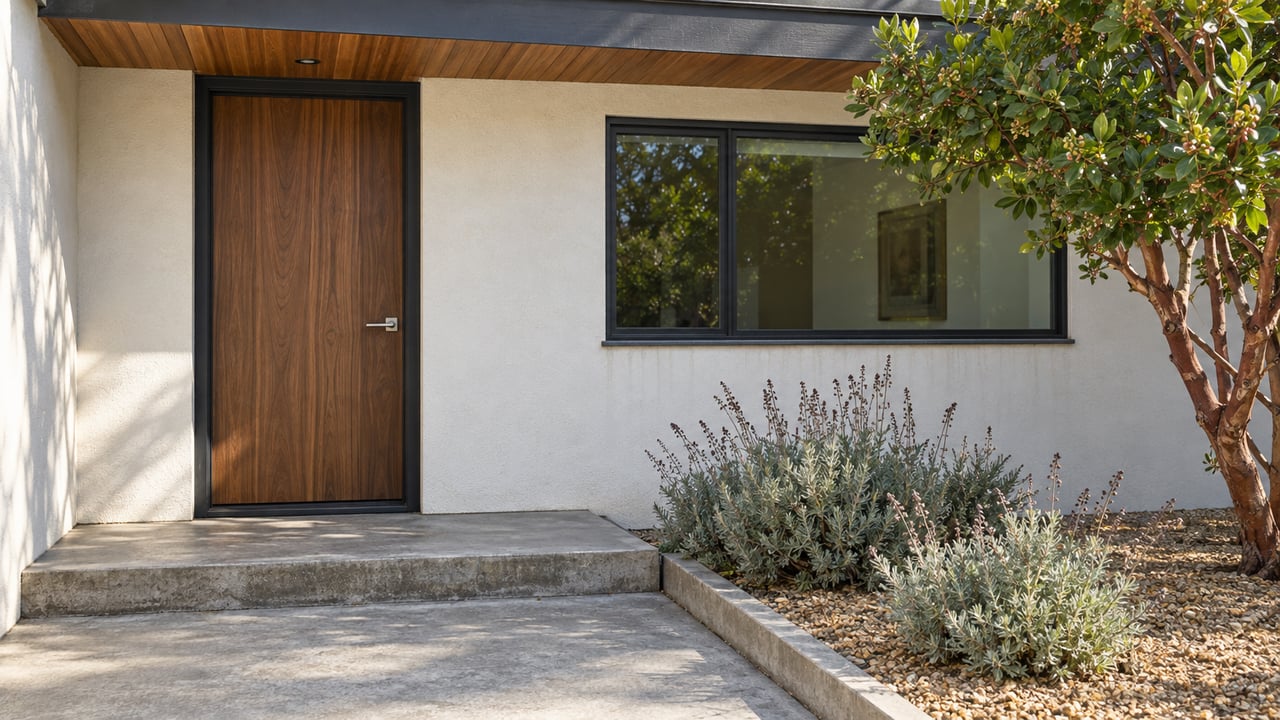
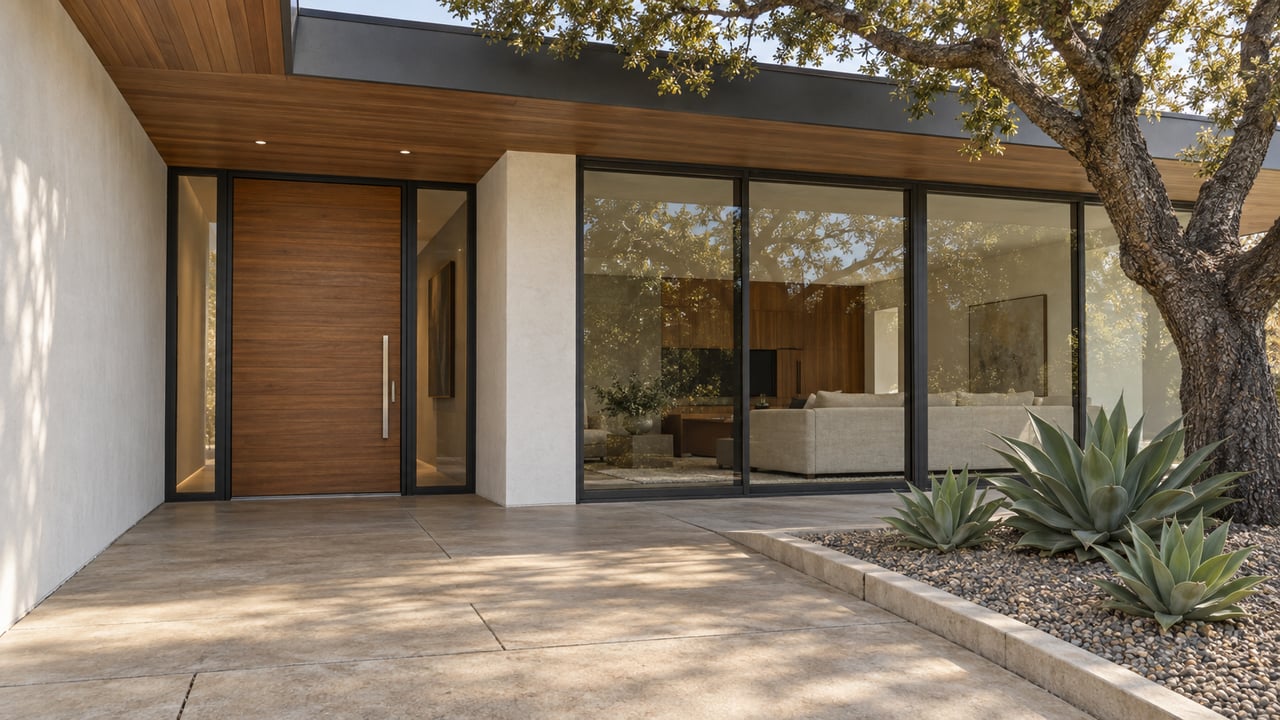
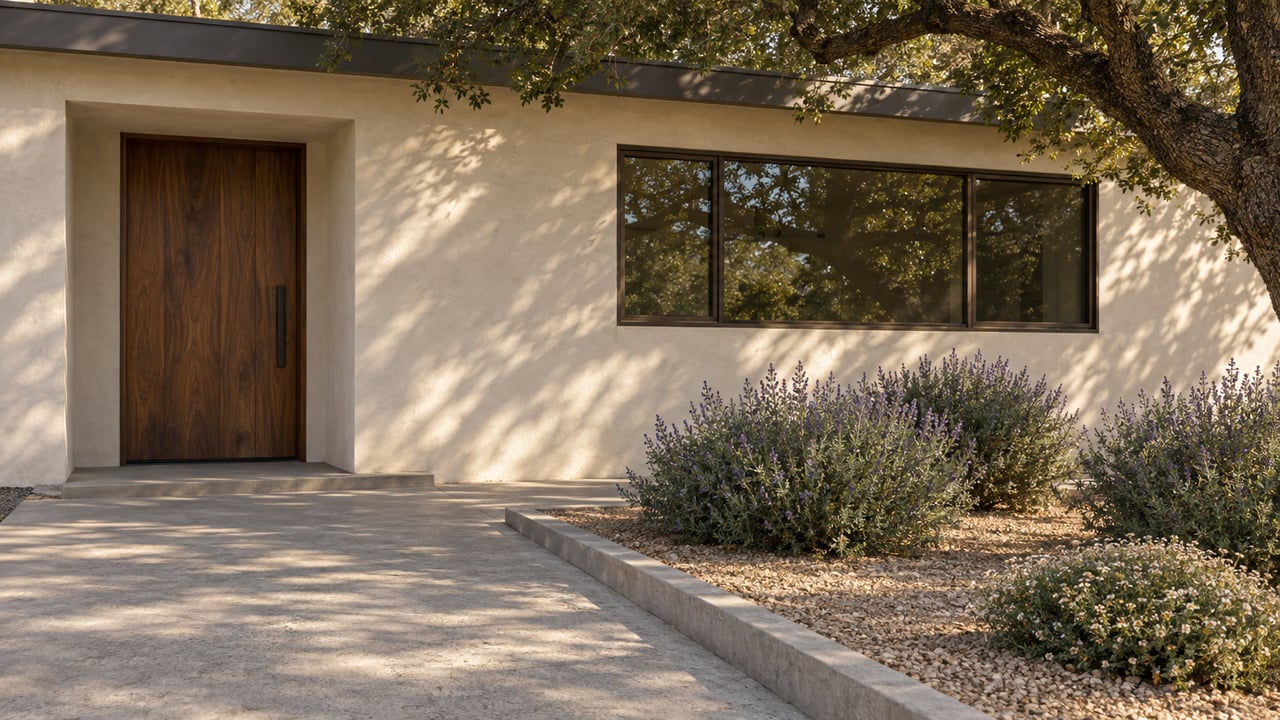
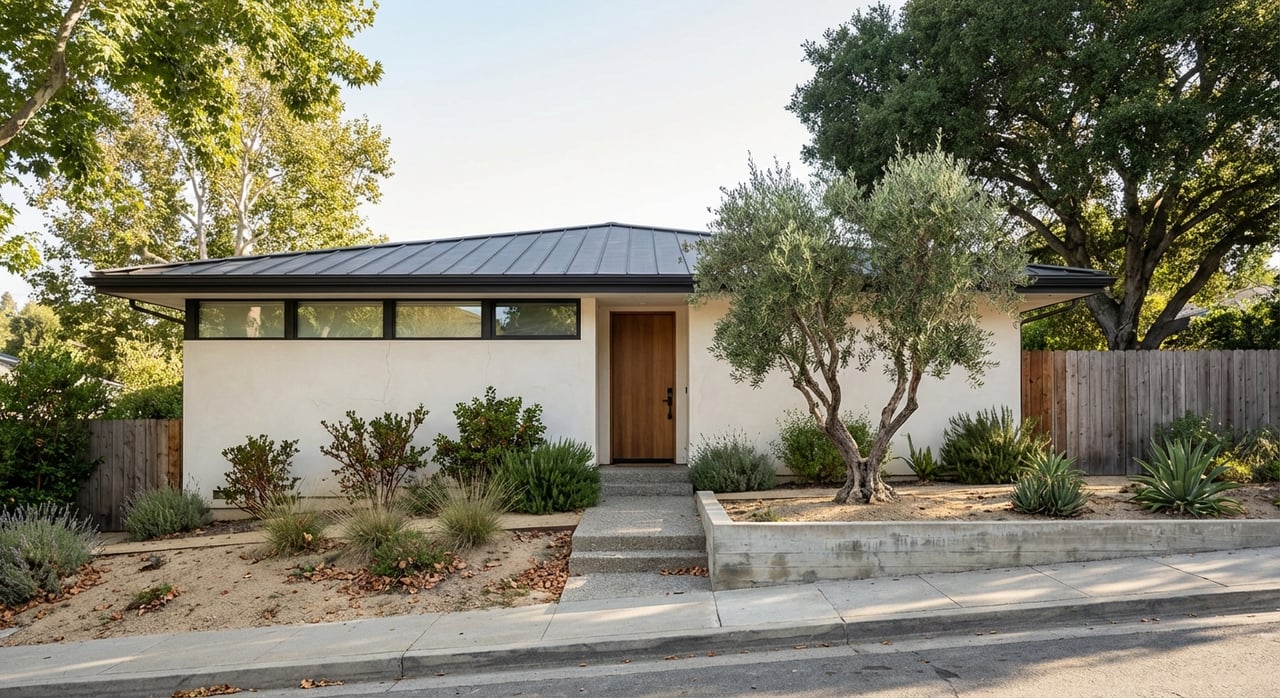
Altadena’s housing stock is rich and varied. You will see early 20th‑century bungalows and Craftsman cottages, single‑story ranch homes, mid‑century modern designs, and a handful of larger historic estates along streets like Mariposa. For architectural context, the Altadena Historical Society highlights notable local architects and styles.
The Eaton Fire affected parts of this historic fabric, and several significant properties were damaged or lost. One widely known example is the Andrew McNally House, a landmark Victorian that has been closely followed in local coverage and historical listings. For background on that property’s history and recent status, see the Andrew McNally House entry.
What homes cost in 2026
Prices move with inventory and recovery timelines, but a practical snapshot helps you set expectations. As of January 2026, Redfin reported a median sale price around 1.1 to 1.2 million dollars. Zillow’s home‑value index cited figures near 1.08 million dollars, and Realtor.com showed higher median listing prices in some segments. These differences are normal since each platform uses a different method and date range, so always note the source and month when you compare.
If you are budgeting for a view home or a larger lot, plan for variation by street, orientation, and condition. Post‑fire inventory has also included distressed lots and parcels in various stages of cleanup, which can draw investor interest and shift neighborhood dynamics.
Recovery, rebuilding, and real‑world timelines
Understanding the recovery framework is key if you are buying or selling near the foothills. CAL FIRE’s Eaton Fire incident page outlines the scope of the 2025 event and links to official updates. For owners rebuilding or buyers considering burned lots, LA County’s Road to Rebuilding details the steps from debris removal and hazardous‑materials remediation to utility verification, will‑serve letters, and permits. It is common for these steps to add months before a lot becomes permit‑ready.
Utility work also matters. Southern California Edison is undertaking multi‑year undergrounding and system rebuilds in the area, and the scale of work can influence service requests, timing, and potential one‑time connection costs. For a local overview of planned work in Altadena, see Altadena Now’s coverage of SCE’s undergrounding commitment.
Wildfire risk designations shape insurance and building codes too. The state updated hazard maps in 2025, expanding high and very high zones in parts of Los Angeles County. The Los Angeles Times explanation of the new maps is a useful primer on what hazard designations do and do not mean. Community reporting after the fire also highlighted evacuation and communication gaps, and the California Attorney General opened a civil‑rights inquiry into those issues, as reported by AP News.
Insurance markets evolve after major wildfires. Premiums, endorsements, and home‑hardening requirements can change quickly by address, so it is wise to get quotes early in your search and update them before you remove contingencies.
Commute, transit, and daily services
Altadena is primarily car‑oriented, with the nearest light‑rail access in Pasadena on the Metro A Line. According to the U.S. Census, the mean travel time to work for Altadena residents is about 27 minutes, which gives you a baseline for planning your commute. See the Census QuickFacts profile for the latest figures.
Bus routes run along Lake Avenue and connect into Pasadena, and some trailheads are reachable with a short walk from transit. For healthcare, Huntington Hospital in Pasadena is the closest major facility and serves the region with emergency and specialty care.
Schools and community info
Public school assignments in the Altadena foothills fall under Pasadena‑area schools. Boundaries can vary by address, so verify a home’s assignment with the district before you write it into your plans. The National Center for Education Statistics offers a neutral lookup tool to start your search on the NCES school locator.
Community services, utilities, and water providers are not one‑size‑fits‑all in the foothills. Confirm the property’s electric provider and water company, and ask for recent bills and any provider notices, especially if you are evaluating a rebuild.
Before you fall in love with the view: a quick buyer checklist
- Verify risk and recovery status. Review current state and county hazard maps and search LA County’s Road to Rebuilding for debris‑removal and permit records for the specific address. Start with the LA Times overview of updated hazard maps and the County’s Road to Rebuilding.
- Confirm utilities. Ask whether the property needs a new SCE service request and whether planned undergrounding may affect timing or connection costs. See local reporting on SCE undergrounding in Altadena.
- Check water provider status. Identify the water company, review any past do‑not‑use advisories, and confirm will‑serve letters for rebuilds on fire‑impacted lots. LA County lists requirements within the Road to Rebuilding.
- Price with real data. Use an up‑to‑date market snapshot and note the date and source. For example, January 2026 figures showed Redfin at roughly 1.1 to 1.2 million dollars median sold, Zillow near 1.08 million dollars, and Realtor.com with some higher median list prices in select segments.
- Hike smart. For trail and canyon outings, always check LA County trail alerts the day you go. Access points can change during restoration phases.
Should you buy or sell in the foothills now?
If you love proximity to nature and character architecture, Altadena still delivers that blend better than almost anywhere in the San Gabriel Valley. Recovery work is a real factor, but strong community roots and ongoing investment in infrastructure point to long‑term resilience. The key is to pair lifestyle goals with address‑level due diligence.
If you are selling, presentation is everything. In a market where views and outdoor living drive value, thoughtful staging, clean visuals, and a narrative that highlights microclimate and trail access can set your home apart. If you are buying, local guidance on orientation, utility status, and insurance will help you spot value and avoid delays.
Ready to explore options or prep a foothill sale? Reach out to Alex Lozano for design‑forward marketing, clear guidance, and local expertise tailored to your goals.
FAQs
What is the current trail access near Altadena’s foothills?
- Many routes are open, but some areas within the Eaton Fire perimeter remain under restoration, so check the County’s trail alerts page before you go.
How did the Eaton Fire affect living in Altadena?
- The fire reshaped trail access, utilities, insurance, and rebuilding timelines; see CAL FIRE’s incident page and LA County’s Road to Rebuilding for official guidance.
What should I know about wildfire hazard maps and insurance?
- California updated hazard maps in 2025, which can affect codes and premiums; review the LA Times guide to the new maps and get address‑specific insurance quotes early.
How much do homes cost in Altadena right now?
- As of January 2026, Redfin showed a median around 1.1 to 1.2 million dollars, Zillow near 1.08 million dollars, and Realtor.com had some higher list medians, reflecting different data methods and timing.
What is the typical commute from Altadena?
- The mean travel time to work is about 27 minutes per the U.S. Census QuickFacts; most residents rely on cars, with Metro A Line stations nearby in Pasadena.
Where can I verify school assignments for a specific address?
- Check directly with the district and use the NCES school locator as a neutral starting point; boundaries can vary within the foothills.