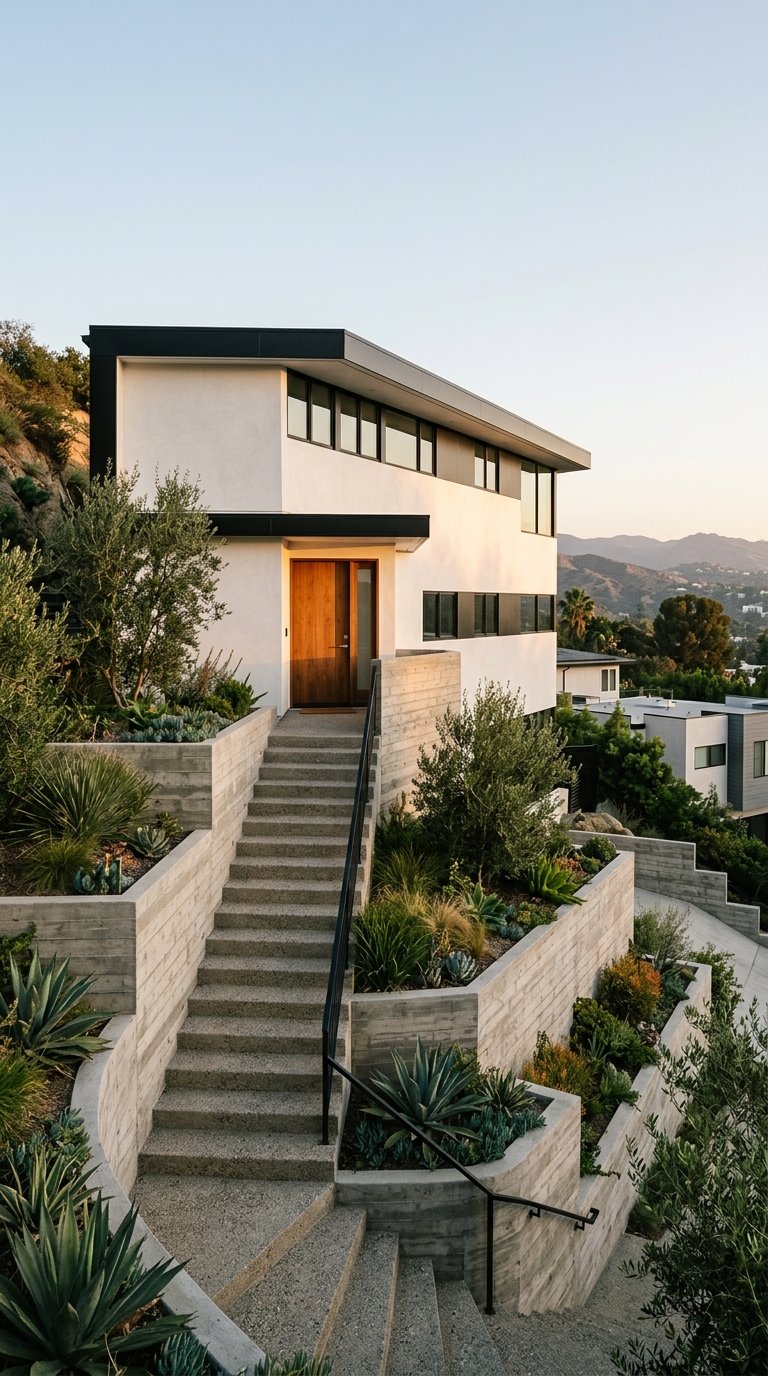
If you have ever fallen for a Highland Park hillside home because of the view, you are not alone. The stair streets, winding roads, and layered hillsides create a kind of everyday drama that feels distinct from flatter parts of Los Angeles. If you are thinking about buying or selling here, it helps to understand both the charm and the practical tradeoffs so you can make a smart move with clear eyes. Let’s dive in.
What Makes Highland Park Hillside Living Distinct
Highland Park’s hillside pockets are about more than elevation. They sit within a part of Northeast Los Angeles with a strong historic identity, and the Highland Park-Garvanza area is the largest HPOZ in Los Angeles, with about 4,000 structures and more than fifty Historic-Cultural Monuments. That means many homes are part of a neighborhood fabric that is visually recognizable and shaped by architectural styles like Queen Anne, Shingle, Craftsman, Mission Revival, and Tudor Revival.
For you as a buyer or seller, that historic context matters in daily life and in decision-making. A hillside home here may offer city views and architectural character at the same time, which is a big part of the appeal. It also means changes to the exterior may require more thought and review than they would in a non-HPOZ area.
Why Views And Stair Streets Appeal
One of the biggest draws of hillside living in Highland Park is the sense of place. City planning documents describe residents enjoying views of the city, wildlife, and narrow streets that wind through the hillsides. That combination can make even a short walk feel memorable.
Stair streets add another layer to the neighborhood experience. They create a rhythm that feels older, more textured, and more connected to the terrain. If you value architecture, outdoor moments, and a setting that feels visually rich, these hillside blocks can be especially compelling.
How Outdoor Space Feels Different
In the hills, outdoor space is not always about having a large, flat backyard. A deck, terrace, or small patio can carry a lot of value because it frames the topography and the views in a different way. In many hillside settings, a compact outdoor area may feel more useful and more atmospheric than a broad yard that lacks privacy or outlook.
That shift in perspective is important if you are comparing homes. A property with a smaller lot may still offer a strong lifestyle fit if the outdoor space is well positioned. In Highland Park, that often means thinking about orientation, light, and how you actually want to spend time outside.
Parks And Recreation Near The Hillsides
Private outdoor space is only part of the picture. Highland Park also has neighborhood-scale public amenities that can support day-to-day living, especially if a home has a steeper lot or limited yard space.
Nearby options include:
- Highland Park Recreation Center, with indoor and outdoor courts, picnic tables, a community room, and youth programs
- Garvanza Park, with a children’s play area, baseball diamond, and skate plaza
- Ernest E. Debs Regional Park, with a hiking trail, bike path, pond, barbecue pits, and picnic tables
If you are weighing a hillside purchase, these nearby amenities can help balance the realities of a smaller private yard. They also add to the everyday livability of the area without requiring a long drive.
Transit And Access In Highland Park
Access is a real quality-of-life issue in hillside neighborhoods. Highland Park Station and Southwest Museum Station are both served by Metro’s L Line and local bus service. Metro Micro also serves the Highland Park, Eagle Rock, and Glendale zone daily from 5:30 a.m. to 10 p.m.
That said, hillside access is rarely as simple as it looks on a map. Metro’s station-area analyses use slope-adjusted travelsheds, which is a useful reminder that walking distance on a hill is different from walking distance on flat ground. A home that looks close to transit online may feel much farther in daily life depending on the route, grade, and stairs involved.
Parking Can Be A Daily Tradeoff
Parking is one of the most practical issues to think through before you commit to hillside living. Some parts of Highland Park are very walk-oriented, and the city’s Angels Walk Highland Park guide notes public lots and street parking near Highland Park Station and along nearby streets like Marmion Way and North Figueroa. But the parking picture can change block by block.
LADOT manages signed preferential parking districts, overnight parking districts, and oversize vehicle restricted areas. In posted areas, residents may be able to buy permits, but the restriction still applies. For you, the real takeaway is simple: verify the exact block and test the daily logistics, not just the neighborhood name.
What Buyers Should Check Before Buying
A Highland Park hillside home can be a great fit, but due diligence matters more here than it might on a flatter street. Site conditions and access issues can be highly parcel-specific.
Before you buy, make time to check:
- The number of stairs from parking to the front door
- The condition of railings and outdoor lighting
- Driveway grade and turning radius
- Moving-truck and delivery access
- Slope, drainage, retaining-wall, and hazard disclosures
- Whether the block has posted permit parking rules
- Whether the property sits within the HPOZ
These details may sound small at first, but they shape how easy the home feels on an ordinary Tuesday. A beautiful house with a view can still be the wrong fit if the entry, parking, or access does not work for your routine.
Parcel-Specific Risks Matter
One of the most important things to understand about Highland Park hillside homes is that risk is not uniform across the neighborhood. A city planning hearing on a local hillside project noted issues such as landslide risk, very high fire-hazard severity, special grading, and substandard roads. That does not mean every hillside property has the same concerns, but it does mean you should evaluate each parcel on its own facts.
If you are buying, this is where careful review becomes essential. You want to confirm disclosures and understand the physical realities of the specific site, rather than relying on general assumptions about the area. If you are selling, it helps to prepare for buyer questions early and present your property with clarity and context.
How HPOZ Rules Affect Buyers And Sellers
Because Highland Park-Garvanza is covered by the HPOZ program, exterior work such as landscaping, alterations, additions, and new construction can be subject to additional review. The city’s preservation program is intended to protect distinctive architectural and cultural resources and to help new work complement historic character.
For buyers, this can affect how much flexibility you have with future remodel plans. For sellers, it can shape which pre-listing improvements make sense and how those improvements should be approached. If your home is in the HPOZ, design decisions are not just about taste and budget. They can also involve process and review.
Is Hillside Living Right For You?
Highland Park hillside and stair-street living tends to suit buyers who care deeply about architecture, views, and neighborhood character. If you love homes with visual story, layered streetscapes, and outdoor spaces that feel tucked into the terrain, the tradeoffs may be well worth it. If you need easy curb parking, flatter lots, and simpler access, some hillside blocks may feel less convenient day to day.
That is why fit matters so much here. The best decision usually comes from matching the property to your actual lifestyle, not just your wish list. When you look closely at access, condition, setting, and restrictions, you can better tell whether a hillside home is a dream match or just a beautiful photo.
What Sellers Should Keep In Mind
If you are selling a Highland Park hillside home, presentation matters. Buyers are often drawn to these properties because of mood, architecture, and the feeling of being perched above the street. That makes visual storytelling especially important, from photography and video to how outdoor spaces, stair access, and views are framed.
It also helps to be upfront about logistics. A thoughtful listing strategy should highlight what makes the property special while also preparing buyers for practical realities like parking, stairs, or HPOZ context. Clear presentation builds trust, and trust helps serious buyers move forward with confidence.
If you are thinking about buying or selling in Highland Park, working with someone who understands both the visual appeal and the block-by-block realities can make the process much smoother. Alex Lozano brings a thoughtful, design-aware approach to Northeast LA real estate and can help you evaluate what makes a hillside property shine.
FAQs
What is special about Highland Park hillside living?
- Highland Park hillside living stands out for its city views, stair streets, winding roads, wildlife, and strong historic character within the Highland Park-Garvanza area.
What should buyers check before buying a Highland Park hillside home?
- Buyers should inspect stairs, railings, lighting, driveway grade, turning radius, delivery and moving-truck access, parcel-specific disclosures, parking rules, and whether the home is in the HPOZ.
What does HPOZ mean for Highland Park homeowners?
- If a property is in the HPOZ, exterior work such as landscaping, additions, alterations, and new construction may be subject to additional city review.
Is parking difficult in Highland Park hillside areas?
- Parking can be one of the biggest daily tradeoffs, and conditions vary by block due to posted restrictions, permit areas, and the physical layout of hillside streets.
Are Highland Park hillside homes close to parks and transit?
- Many hillside areas have access to nearby amenities like Highland Park Recreation Center, Garvanza Park, Ernest E. Debs Regional Park, Metro’s L Line stations, local bus service, and Metro Micro, though slope and route can affect how close they feel in practice.