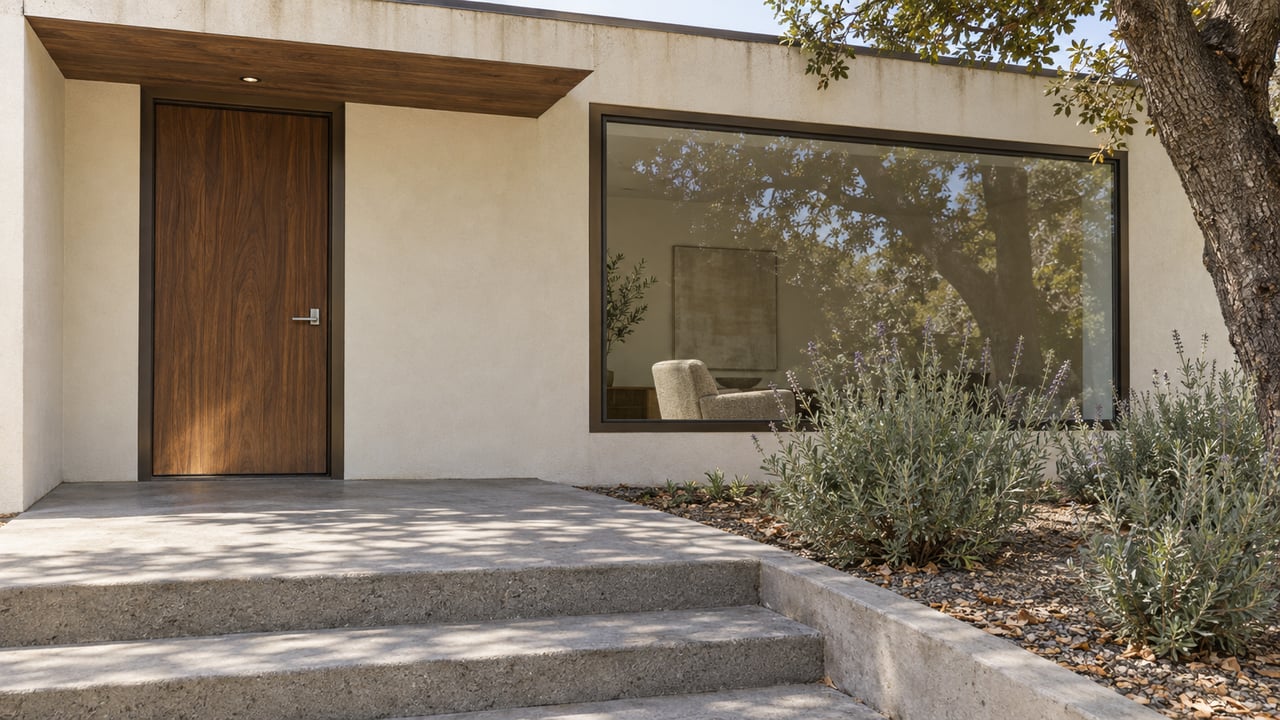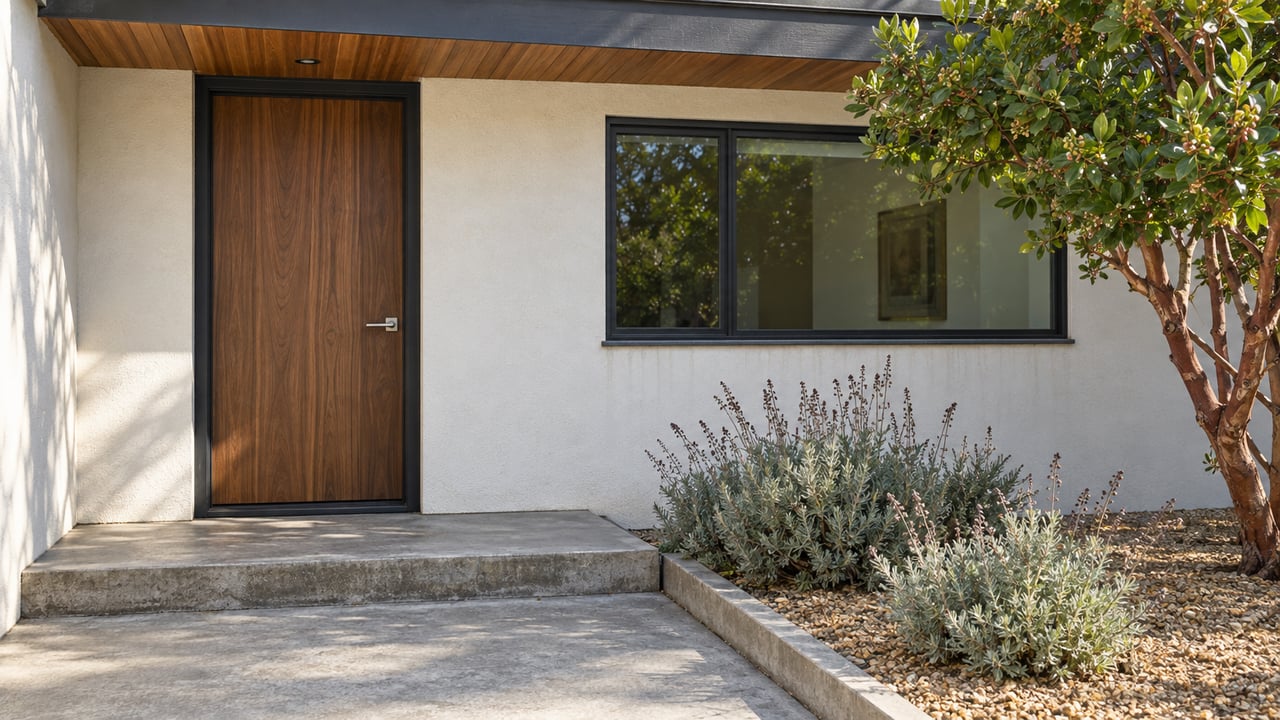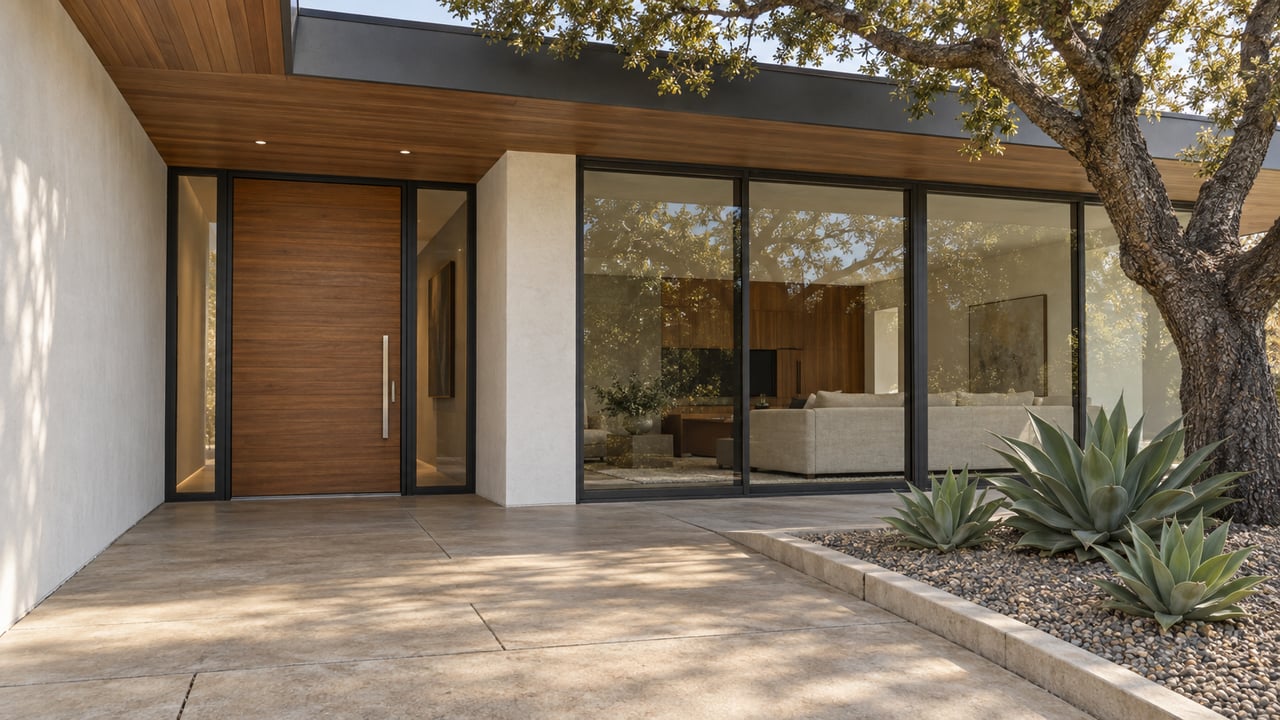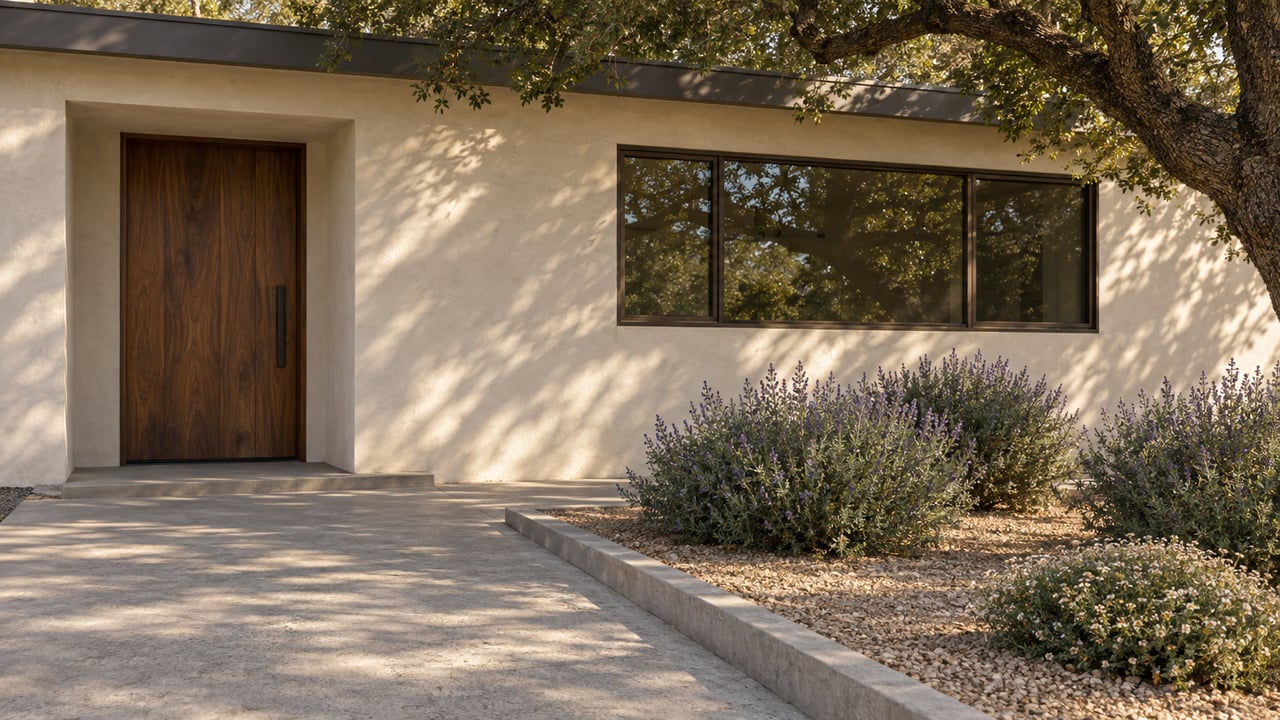
If you are house hunting in West Covina, one question tends to come up fast: should you choose a newer home for convenience or an older home for character and upside? It is a smart question, especially in a city where most housing was built decades ago and truly new supply is limited. When you understand how West Covina’s housing stock, lot patterns, and local rules shape the market, you can make a more confident decision. Let’s dive in.
West Covina Is Mostly Older Housing
West Covina is not a market filled with large new subdivisions. According to the city’s 2020 local housing profile, 64.6% of housing units are single-family detached, and 71.1% of the city’s housing stock was built between 1950 and 1979. Only 4.3% of units were built in 2000 or later.
That age mix matters because it changes what “newer home” often means here. In West Covina, newer options may include remodeled resale homes, homes with major additions, ADUs, or smaller infill projects rather than whole neighborhoods of recently built houses. For many buyers, this means your search is less about old versus brand-new and more about original condition versus updated condition.
Why Newer Homes Appeal to Buyers
Newer homes usually attract buyers who want a more move-in-ready experience. In practical terms, a newer property may offer newer roof, plumbing, electrical, and HVAC systems, which can reduce the odds of immediate repair surprises. That is not a guarantee on any individual home, but age often plays a big role in near-term maintenance.
Newer construction is also more likely to reflect current building standards. West Covina’s 2024 development code update includes standards tied to vehicle-charging stations and solar energy systems, which signals a more future-ready pipeline for new homes and major additions.
Another draw is layout. Many buyers want open living areas, flexible bonus spaces, and floor plans that work well for today’s household needs. With West Covina’s average household size at 3.27 persons, it makes sense that homes designed or updated more recently may feel better suited to modern day-to-day living.
Common benefits of newer homes
- More current layouts and room flow
- Greater chance of updated major systems
- Better alignment with current energy standards
- Lower likelihood of immediate renovation work
- Features that may support modern technology and charging needs
Why Older Homes Still Win Attention
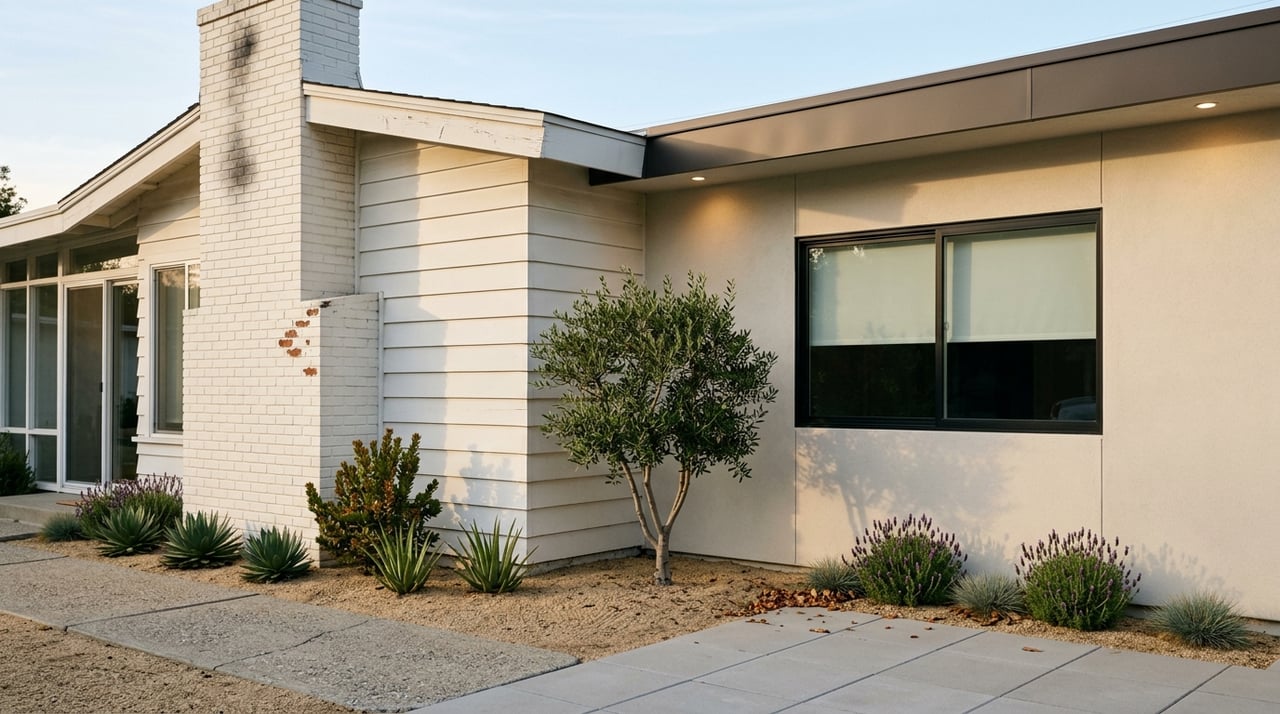
Older homes remain the core of West Covina’s housing market, and many buyers actively prefer them. Because so much of the city was built in the postwar and mid-century period, older homes often carry the classic suburban look that defines much of West Covina’s residential feel.
For some buyers, that design character is a real advantage. You may find low-slung profiles, established streetscapes, and homes that feel tied to the city’s original growth era. If you appreciate architecture and want a home with personality, older stock can be especially appealing.
Older homes may also offer a lower entry point relative to updated or newer product. In a market where current sale-price trackers place West Covina’s median sale price in the low-to-mid $800,000s, many buyers look at older homes as an opportunity to buy into the city and improve the property over time.
Floor Plans: Function Versus Character
One of the biggest day-to-day tradeoffs is layout. Older West Covina homes are often postwar tract homes, which means some may have smaller kitchens, more separated rooms, and less expansive primary suites than newer homes. This is not true for every home, but it is a common difference buyers notice.
Newer homes and major additions are more likely to reflect current preferences for open kitchens, connected living spaces, and flexible-use rooms. If you work from home, host often, or simply want a more open feel, that may carry a lot of weight in your decision.
Still, layout is personal. Some buyers prefer defined rooms, quieter separation between spaces, or the charm that comes with an era-authentic floor plan. It helps to think less about what is trendy and more about how you actually live.
Maintenance Matters More in Older Homes
An older home can be a great fit, but you should go in with clear eyes. West Covina’s Housing Preservation Loan Program states that a large percentage of the city’s housing stock has matured and is in need of a face-lift. That is an important local clue that maintenance and improvement needs are a real part of the ownership picture.
This does not mean every older home is high maintenance. It does mean you should pay close attention to condition, deferred upkeep, and how much work has already been completed. Cosmetic charm is nice, but systems and structure matter more.
Areas buyers often review closely in older homes
- Roof condition
- Plumbing age and materials
- Electrical panel and wiring
- HVAC age and performance
- Windows, insulation, and weather sealing
- Exterior wear and drainage issues
If you plan to remodel, age can add another layer. Homes built before 1978 are more likely to contain lead-based paint, and renovation work that disturbs lead paint may require lead-safe certified contractors. West Covina’s preservation loan program also notes that a lead-based paint inspection may be required in some cases.
Energy Efficiency and Comfort
Energy performance is another important tradeoff. California’s current 2022 Building Energy Efficiency Standards under Title 24 set the baseline for newer residential construction. In simple terms, newer homes usually benefit from more current requirements for insulation, glazing, lighting, and mechanical systems.
That often translates to better comfort and potentially lower operating costs, especially during warmer months. Older homes may still perform well, but they are more likely to need upgrades to reach a similar level of efficiency.
If utility costs and year-round comfort are high on your list, this is worth weighing carefully. A beautiful older home may need window upgrades, insulation work, or HVAC improvements before it feels as efficient as a newer property.
Lot Size Can Change the Equation
In West Covina, lot size can be one of the biggest reasons buyers choose an older home. The city’s subdivision guidelines show that single-family zones have minimum lot sizes ranging from 6,000 square feet to 40,000 square feet depending on the R-1 subzone. That means lot potential varies widely from property to property.
This is where older homes can offer meaningful upside. A home on a wider or deeper lot may provide room for additions, outdoor improvements, or accessory dwelling unit potential that a newer home on a tighter site may not offer.
West Covina has also updated local rules to better process new single-story homes and additions on larger lots. On top of that, the city’s SB9 page states that urban lot splits and two residential units per lot are allowed on R-1 lots, subject to applicable rules.
Why lot potential matters
- You may have room to expand the main house
- An ADU may be possible on some parcels
- Larger lots can create more long-term flexibility
- Future value may be tied to how the parcel can be improved
ADU activity in West Covina also shows that this is not just theoretical. The city’s housing-element materials show permits for 7 ADUs in 2019, 11 in 2020, 49 in 2021, 115 in 2022, and 30 in 2023. That suggests some of West Covina’s newer housing supply is being created through incremental infill rather than traditional large-scale development.
Price: Convenience Usually Costs More
Price is often where the tradeoff becomes most clear. West Covina’s active market already sits at a relatively high baseline, with recent market trackers placing median sale prices in the low-to-mid $800,000s. Against that backdrop, newer or fully updated homes often compete on convenience, lower near-term maintenance, and stronger energy performance.
Older homes, by contrast, often compete on entry price and future upside. You may spend less upfront, but take on more responsibility later through repairs, updates, or renovation planning. That can work well if you want to improve a home over time, but it may not fit if you need a simpler move-in-ready experience.
How to Decide What Fits You Best
There is no one-size-fits-all answer in West Covina. The better choice depends on your budget, timeline, tolerance for repairs, and interest in future improvements.
If you value simplicity, predictable maintenance, and current design features, a newer or recently updated home may feel worth the premium. If you care more about lot potential, character, and the chance to create value over time, an older home may offer more opportunity.
A smart search usually starts with your real priorities, not just the age of the house. When you compare homes in West Covina, look at condition, layout, lot size, improvement potential, and total cost of ownership together. That is often where the best decision becomes clear.
Whether you are drawn to a turnkey home or a property with room to grow, having a local guide can make the tradeoffs much easier to evaluate. If you want help comparing homes in West Covina with a thoughtful, design-aware approach, connect with Alex Lozano.
FAQs
What is the biggest difference between newer and older homes in West Covina?
- The biggest difference is usually the balance between convenience and potential. Newer homes often offer updated systems, more current layouts, and better energy performance, while older homes often offer more character, lot flexibility, and possible upside.
Are most homes in West Covina older homes?
- Yes. West Covina’s housing stock is largely older, with 71.1% of units built between 1950 and 1979 and only 4.3% built in 2000 or later.
Do older West Covina homes usually have larger lots?
- Some do, but you should verify each parcel individually. West Covina’s single-family zones have different minimum lot sizes, so lot potential can vary a lot from one property to another.
Are newer homes in West Covina more energy efficient?
- In general, yes. Newer homes are more likely to align with current California energy standards, which can improve comfort and efficiency compared with older homes that have not been upgraded.
Can an older home in West Covina have ADU potential?
- Yes, depending on the parcel and applicable local rules. West Covina has seen meaningful ADU permit activity in recent years, and some older homes on larger lots may offer more flexibility for additions or ADU planning.
Should buyers worry about renovations in older West Covina homes?
- Buyers should plan carefully. Older homes may need more maintenance, and homes built before 1978 may involve lead-based paint considerations that can affect remodeling timelines, cost, and contractor requirements.