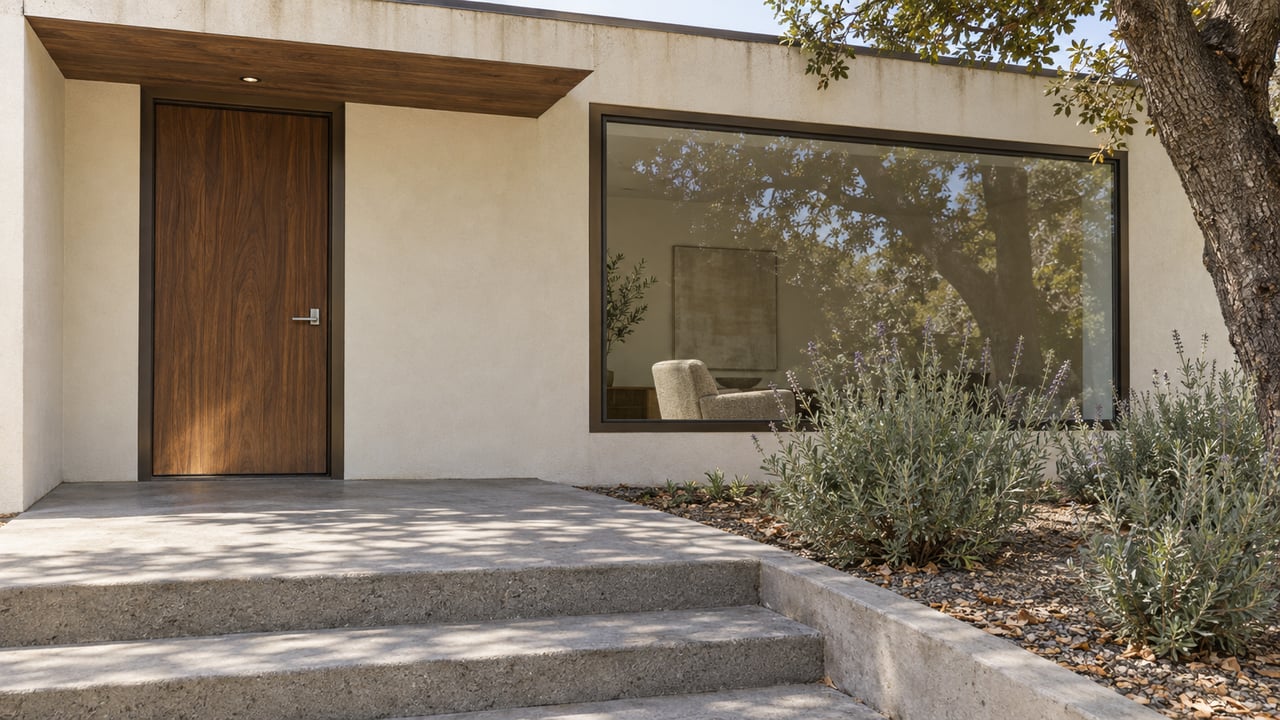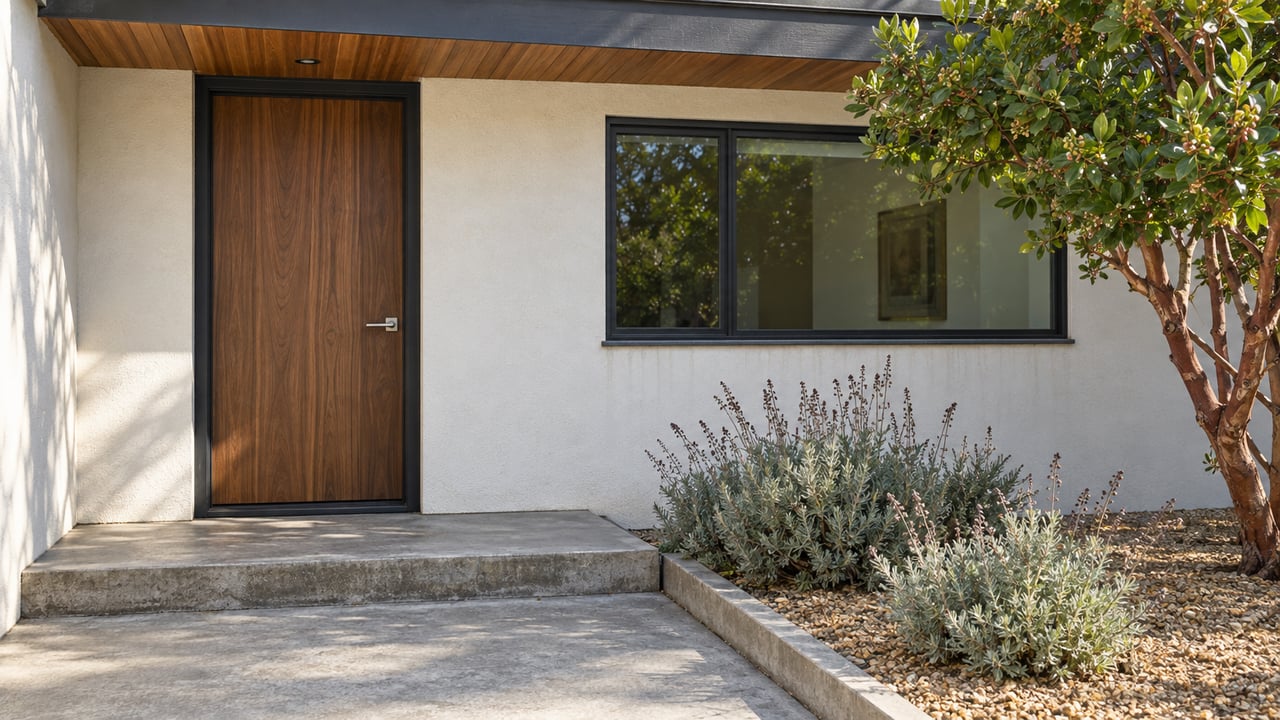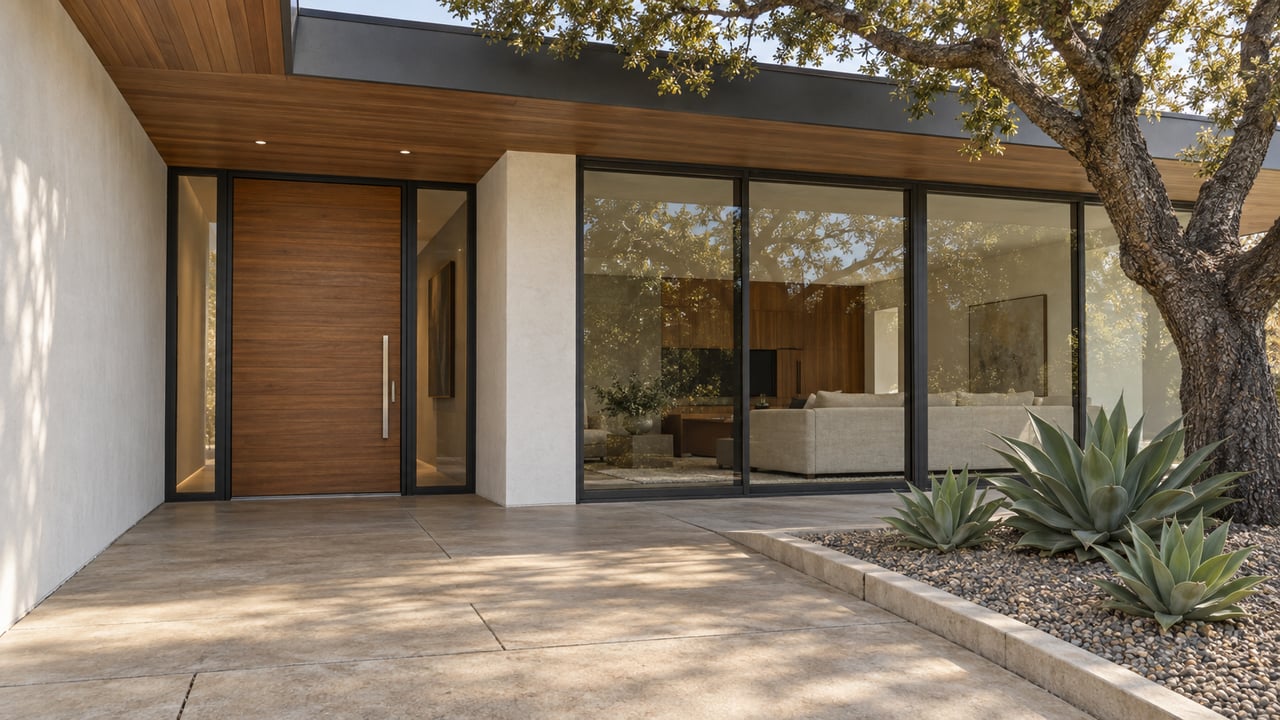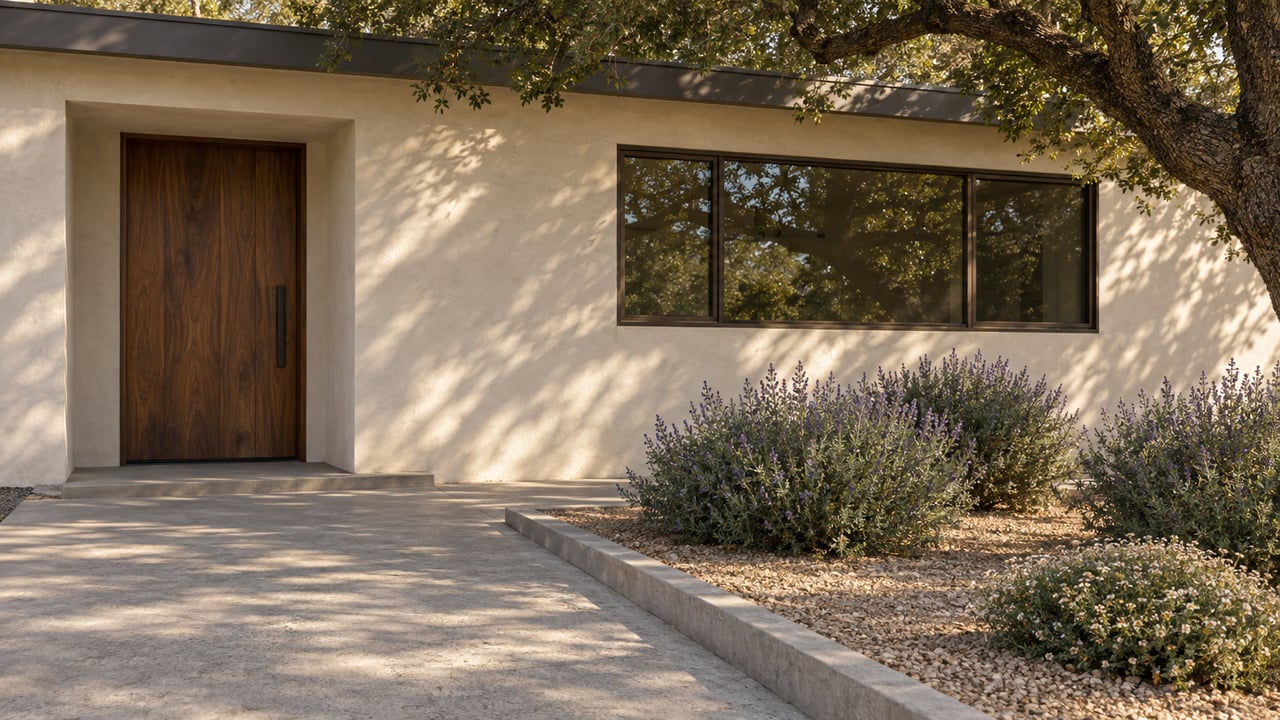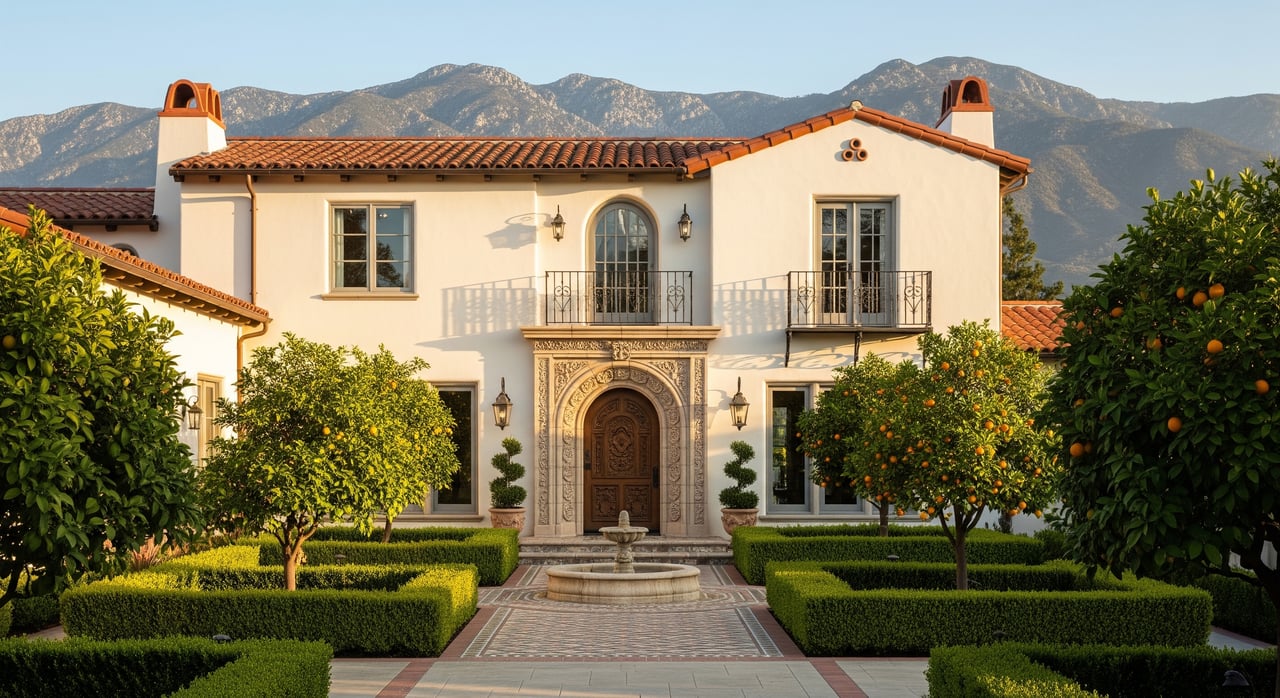
Curious what your San Gabriel home is really worth right now? You are not alone. With older homes, historic pockets, and steady demand across the San Gabriel Valley, values can shift block by block. In this guide, you will learn a simple path to a reliable number, how local factors affect price, and what to do next whether you plan to sell or stay. Let’s dive in.
Why San Gabriel home values vary
San Gabriel sits in a prime spot of Los Angeles County with close access to job centers, freeways, and regional transit. That convenience draws commuters, investors, and long-time locals. Neighborhoods around the Mission District and other established streets include historic and mid-century homes, plus some newer infill, which creates a wide range of property types and conditions.
Limited developable land supports strong land values, and multi-generational living or investor interest can increase demand for homes with flexible layouts, ADU potential, or multiple units. Many homes are older, so permitted updates, seismic retrofits, and overall condition make a real difference in price. Local rules and disclosures in California also play a role, including Transfer Disclosure Statements, Natural Hazard Disclosures, and permit records buyers and appraisers will review.
Proposition 13 limits how fast property tax assessments rise for current owners, but taxes are reassessed to market value when a home sells. That matters for buyers planning monthly costs and for sellers explaining long-held assessments. Always confirm details with a licensed tax professional.
Quick-start: 3 steps to your value
- Start with a quick online estimate to get a ballpark. Treat it as a first look, not a final price.
- Request a local, MLS-backed Comparative Market Analysis (CMA) that uses recent San Gabriel sales and adjusts for condition, lot, and permits.
- When you are ready to list or if you need a lender-ready opinion, confirm with a licensed appraisal.
Following this sequence gives you speed, local accuracy, and a formal number when it counts.
Valuation methods explained
Comparative Market Analysis (CMA)
A CMA compares recent, similar sales and adjusts for features like size, age, updates, and lot. It is grounded in local MLS data and current activity. Pros include tailored pricing guidance and cost-free access through a local agent. The downside is that accuracy depends on comp selection and the agent’s experience. Best use: setting your list price and planning pre-sale steps.
Appraisal
A licensed appraiser provides an independent opinion of value that lenders accept for financed purchases. It often blends sales comparison, cost, and income approaches. Pros include defensible methodology and lender acceptance. Cons include cost and the fact it reflects one point in time. Best use: loan approval, unique homes, and formal needs like estates or disputes.
Automated Valuation Models (AVMs)
Online estimates analyze public records and snapshots of recent activity to predict value fast. They are useful for a quick check. They can miss interior condition, recent renovations, or unpermitted work. Best use: a starting point before you refine with a CMA or appraisal.
Broker Price Opinion or Desktop Review
A broker or agent may provide a streamlined estimate, sometimes without interior access. It is quicker and lower cost than a full appraisal but is not typically accepted by lenders. Best use: investor decisions, pre-listing checks, and scenarios where speed matters more than strict formality.
Income approach for rentals and 2–4 units
For duplexes, triplexes, or rental properties, value can be tied to net operating income and local capitalization rates. You will consider current and market rents, vacancy, and operating expenses. This method is often used alongside a sales comparison to reflect both income and neighborhood context.
San Gabriel value drivers to watch
Location and access
- Proximity to central LA, freeways, and regional transit expands the buyer pool.
- Block appeal and distance to parks, cultural landmarks, and dining can influence demand.
- School district boundaries can vary by neighborhood; verify exact attendance zones.
Property features
- Lot size and usable outdoor space are high-value in LA County.
- Square footage, bed/bath count, and a functional layout are key.
- Off-street parking and garage space matter in denser areas.
Permits and condition
- Permitted additions and documented renovations usually command stronger prices.
- Updated systems, roofs, plumbing, electrical, and HVAC reduce buyer risk.
- Unpermitted work may be discounted by appraisers and can deter buyers.
Hazards and zoning
- Natural Hazard Disclosures, including seismic, flood, or landslide risks, affect buyer decisions.
- Zoning that allows ADUs or small-lot options can add future-use value.
- HOA rules, if applicable, may limit or shape what owners can change.
Market conditions
- Interest rates affect affordability and buyer activity.
- Inventory and Days on Market signal negotiating power.
- Regional employment trends across the LA area can support or soften prices.
Renovation ROI
- Higher-return updates usually include paint, flooring, landscaping, bathroom refreshes, and a light kitchen facelift.
- Avoid overbuilding for the block or highly customized features that comps will not support.
- In historic or character homes, permitted modernization that preserves original style tends to perform well.
Seller checklist to capture value
- Gather key documents: deed, recent tax bill, mortgage info, permit history, HOA documents, utility records, and any inspection reports.
- Request a local CMA focused on San Gabriel comps and sub-neighborhood nuances, including the Mission District and nearby streets.
- Consider a pre-listing inspection to surface issues that could spook buyers or slow an appraisal.
- Choose high-ROI updates. Focus on curb appeal, cosmetic refreshes, and necessary repairs. Pull permits for any work that needs to remain on title.
- Select your pricing strategy: market-value pricing based on the CMA, slight underpricing to spark activity, or premium pricing if your home’s condition and features support it.
- Prepare your disclosure package, including the required Transfer Disclosure Statement and Natural Hazard Disclosure. Add any lead-based paint forms for pre-1978 homes and provide permit documentation.
Thoughtful presentation matters. Clean design, strong photography, and clear storytelling help buyers see value quickly.
Buyer checklist to verify value
- Compare sources: look at a quick AVM, then a local CMA, and study recent list-to-sale ratios.
- Focus on recent comps within a tight radius. Adjust for lot size, condition, and permitted improvements.
- Model full monthly costs: HOA dues (if any), property taxes after reassessment at your offer price, and expected repairs or required retrofits.
- Plan for the appraisal. If the market is competitive, discuss strategies for an appraisal gap with your agent and lender.
- Order a thorough home inspection and check the permit history before removing contingencies.
Local paperwork and disclosures you will see
California requires a Transfer Disclosure Statement and a Natural Hazard Disclosure for residential sales. Homes built before 1978 need lead-based paint disclosures. Because San Gabriel has many older homes, you may also see seismic retrofit details and records of system upgrades. Permit status is important, since lenders and appraisers typically give more weight to permitted work.
Proposition 13 caps annual assessment increases for existing owners but triggers a reassessment to current market value when a property changes hands. If you are budgeting a purchase, plan for taxes based on your expected price. For personal advice on taxes, legal obligations, or permitting, consult a licensed professional.
Ready to see your number?
If you want a clear, local estimate with context you can trust, reach out. A tailored, MLS-backed CMA will account for San Gabriel’s block-by-block differences, recent updates, and permit history. If you decide to sell, thoughtful staging, photography, and narrative presentation can help your home shine while staying true to its character. Connect with Alex Lozano to start the conversation.
FAQs
How accurate are online home value estimates in San Gabriel?
- They are useful for a quick ballpark but often miss interior condition, recent renovations, or permit status. Use them as a starting point, then verify with a CMA or appraisal.
When should I get a professional appraisal in San Gabriel?
- You need one for most financed purchases. It is also helpful before listing unique homes or after major renovations, and for estate, divorce, or dispute purposes.
How do I pick the best comparable sales in San Gabriel?
- Choose sales from the same neighborhood within the last 3 to 6 months when possible, matching lot size, square footage, bed/bath count, and condition. Give more weight to recent and pending sales in a fast market.
Do unpermitted additions hurt my San Gabriel home’s value?
- Usually yes. Appraisers and lenders may discount or ignore unpermitted space, and some buyers hesitate if they must resolve permits later. Always disclose known unpermitted work.
What upgrades deliver the best ROI before selling in San Gabriel?
- Focus on cosmetic refreshes like paint, flooring, landscaping, and bathroom or light kitchen updates, plus system improvements that bring the home closer to current code. Avoid over-improving beyond neighborhood comps.
How does Proposition 13 affect property taxes for a San Gabriel buyer?
- When a home sells, the tax assessment typically resets to the purchase price, which can increase taxes compared to the seller’s prior bill. Plan your budget accordingly and consult a tax professional for details.