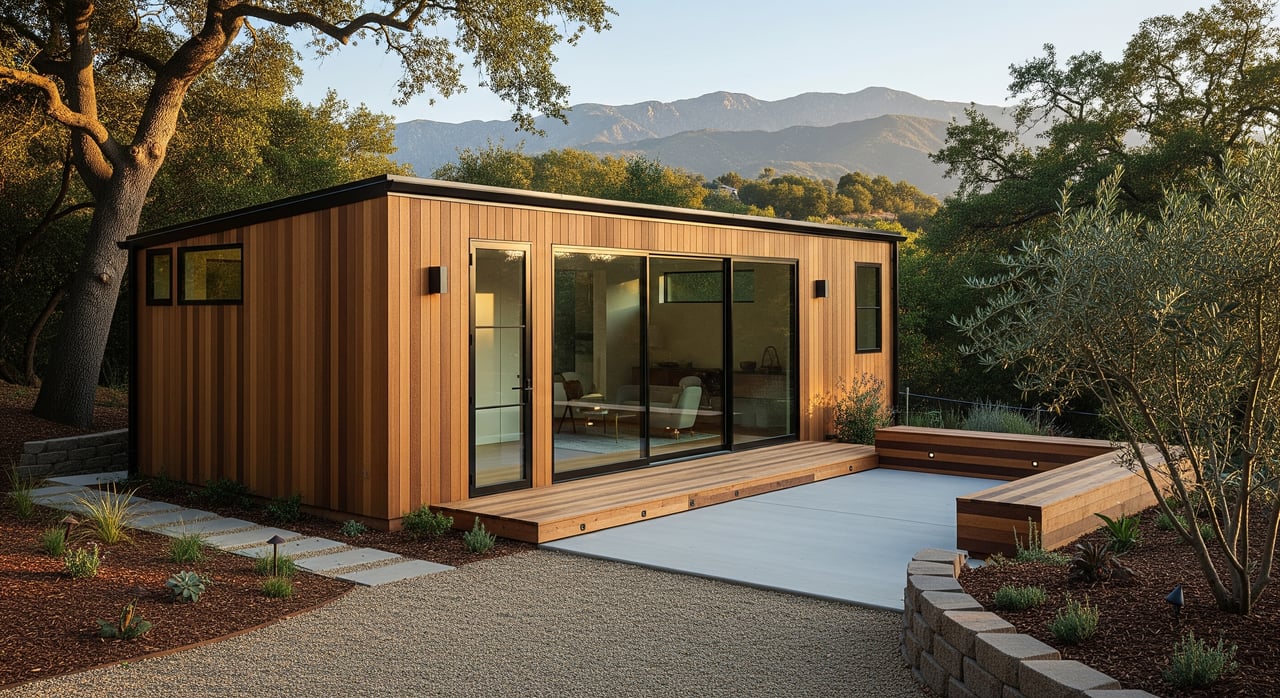
Thinking about adding an ADU on an Altadena property? You are not alone. Many homeowners see an ADU as a smart way to create flexible space or generate income. The catch is that feasibility in Altadena can vary a lot from one parcel to the next. In this guide, you will learn what to check first, how Los Angeles County rules apply, and which site conditions most often make or break a project. Let’s dive in.
Confirm jurisdiction and zoning first
Altadena is unincorporated, so Los Angeles County is your permitting authority. That means County zoning, building, and fire departments review your ADU, not the City of Pasadena. State law sets broad ADU rights, and the County applies objective local standards like height, setbacks, and lot coverage.
What state law generally allows
State law supports detached ADUs, attached ADUs, conversions of existing space, and Junior ADUs. Reviews are ministerial when you meet objective standards, and agencies must make timely decisions on complete applications. Local agencies cannot apply many restrictive rules that used to block ADUs.
What Los Angeles County controls
The County enforces parcel-specific standards such as setbacks, height, lot coverage, parking, and any special overlays. Always confirm your parcel’s zoning, allowed ADU types, and development standards with County staff before you sketch plans.
Check lot layout, setbacks, and coverage
Your lot geometry matters. A small or unusually shaped lot, or one that is already close to coverage limits, can cap the size of a detached ADU. Map existing structures, easements, and required yards to see where a unit could fit. Objective standards must be met for ministerial approval.
Hillside and grading on foothill lots
Altadena includes both flat valley areas and steep foothill parcels. Slope affects feasibility. Hillside sites often require a geotechnical report, grading permits, engineered foundations, and stormwater solutions. Retaining walls and access work can add time and significant cost, so flag steep slopes early.
Wildfire zones and fire safety
Much of Altadena lies in or near Very High Fire Hazard Severity Zones. Expect defensible space and brush clearance, ember-resistant construction details, and fire access requirements. These conditions can influence materials, openings, and even where you can place the ADU. Coordinate with County Fire early if your parcel falls in a designated zone.
Sewer or septic capacity
Some Altadena homes are on septic rather than a public sewer. An added unit can push a system beyond its design capacity. You may need a septic upgrade or a new connection to a public sewer if accessible. Either path can affect feasibility, budget, and timeline. Confirm your current setup and capacity before committing to design.
Utilities and access basics
Every ADU needs safe access and adequate utilities. Check your water provider, verify sewer lateral locations, and assess stormwater and drainage constraints. Many homes need an electrical panel upgrade to power a new unit. Driveway access and emergency vehicle clearance can also be reviewed, especially in hillside and wildfire areas.
Historic areas and overlays
Some parts of Altadena have historic or conservation considerations. If your property is subject to a preservation overlay, there may be design rules for new accessory structures. Verify whether any local historic resources apply to your parcel before finalizing a concept.
Size, height, and parking at a glance
ADU types include detached units, attached units, conversions, and Junior ADUs. Junior ADUs are typically limited to 500 square feet and have specific rules. Detached ADUs can often be larger, depending on your lot and County standards. State rules limit how strict local parking requirements can be, especially near transit, but Altadena’s transit access varies. Confirm your parcel’s parking obligations with the County.
Permits and timeline in LA County
Plan on a clear sequence: preliminary zoning check, full plan set, permit submittals, and a standard series of inspections. State law aims for timely ministerial review once your application is complete, but real timelines depend on corrections, site conditions, and any added reviews. Simple conversions or small detached units on flat lots can move faster. Hillside work, septic upgrades, or special overlays often extend schedules.
Fees, taxes, and insurance
Budget for building permits and utility-related fees. State rules limit certain impact fees for smaller units, often for ADUs under 750 square feet, but other charges may still apply. Adding an ADU typically increases your assessed value, so contact the Los Angeles County Assessor to understand property tax impacts. Let your insurance carrier know you are adding a unit and discuss coverage for long-term or rental use.
Rental and use rules
ADUs are generally allowed to be rented. Short-term rentals have separate regulations and may require registration or have limits. Verify current Los Angeles County rules if you plan to use an ADU for short stays.
Cost drivers specific to Altadena
Construction costs depend on the type of ADU and the site. In Altadena, steep slopes, geotechnical work, retaining walls, wildfire-related requirements, and septic or sewer upgrades can be major drivers. Consider multiple contractor bids and explore prefab or modular options to manage cost and build time.
Your Altadena ADU checklist
Use this checklist to size up potential quickly:
- Jurisdiction and zoning: Confirm you are in unincorporated Altadena and verify zoning and allowed ADU types with the County.
- Lot and layout: Map setbacks, easements, existing coverage, and potential ADU locations.
- Slope and soils: Identify hillside conditions and likely geotechnical or grading needs.
- Wildfire: Check if the parcel is in a Very High Fire Hazard Severity Zone and note brush clearance and access requirements.
- Sewer or septic: Confirm sewer connection status and capacity. If septic, ask about expansion feasibility.
- Utilities: Review water service, electrical panel capacity, stormwater drainage, and any needed upgrades.
- Overlays: Verify any historic, conservation, or other special design areas affecting the parcel.
- Parking: Ask the County about parking standards and any potential exemptions.
- Permits and timing: Clarify if ministerial approval applies, required studies, and realistic timelines.
- Fees and finance: Review permit and utility fees, tax impacts, and your financing plan.
Who to involve early
A strong team saves time and uncertainty. Consider speaking with:
- A County planner or permit intake staff for a pre-application check.
- An architect or ADU designer familiar with LA County and hillside work.
- A geotechnical engineer for sloped or geologic hazard areas.
- A civil or structural engineer for grading, drainage, foundations, and retaining walls.
- A licensed general contractor with ADU experience in Altadena and Pasadena.
- County Fire representatives for wildfire-related requirements, if applicable.
- A lender or mortgage broker who understands ADU financing.
Smart next steps
- Confirm parcel jurisdiction and zoning with the County and ask for parcel-specific ADU standards.
- Verify sewer versus septic and any needed upgrades or new laterals.
- Check fire hazard mapping for your parcel and discuss defensible space and access.
- Order a site assessment from an ADU-savvy designer to flag grading, geotech, and utility issues.
- Get preliminary contractor budgets, including line items for septic or sewer, grading, and wildfire mitigation.
- Speak with the County Assessor and your insurer about tax and coverage impacts.
If you want a local, practical read on ADU potential before you invest in plans, reach out. As part of buyer and seller representation, we regularly help clients evaluate ADU opportunities and marketable potential. For neighborhood-smart guidance on Altadena properties, connect with Alex Lozano.
FAQs
Can I build an ADU on my Altadena lot?
- Possibly. Feasibility depends on County zoning, setbacks, coverage, slope, utilities, and any wildfire or historic overlays.
How big can an ADU be in Altadena?
- Junior ADUs are typically up to 500 square feet; detached ADU maximums depend on County standards and lot conditions, so confirm the current limits for your parcel.
Do I need to connect to sewer if I have septic?
- If your existing system lacks capacity, you will need a septic upgrade or a public sewer connection where available.
How long does ADU permitting take in LA County?
- Ministerial approvals must be timely on complete applications, but real timelines vary. Simple projects can take months; hillside or utility-heavy projects often take longer.
What ADU parking rules apply in Altadena?
- State rules limit strict parking requirements, especially near transit, but parcel-specific standards still apply. Verify with the County for your address.
Will my property taxes go up after building an ADU?
- New construction generally increases assessed value. Contact the Los Angeles County Assessor for guidance on how an ADU affects your assessment.
Can I rent my Altadena ADU short term?
- Short-term rentals have separate County rules and may require registration or have limits. Confirm current regulations before planning short stays.