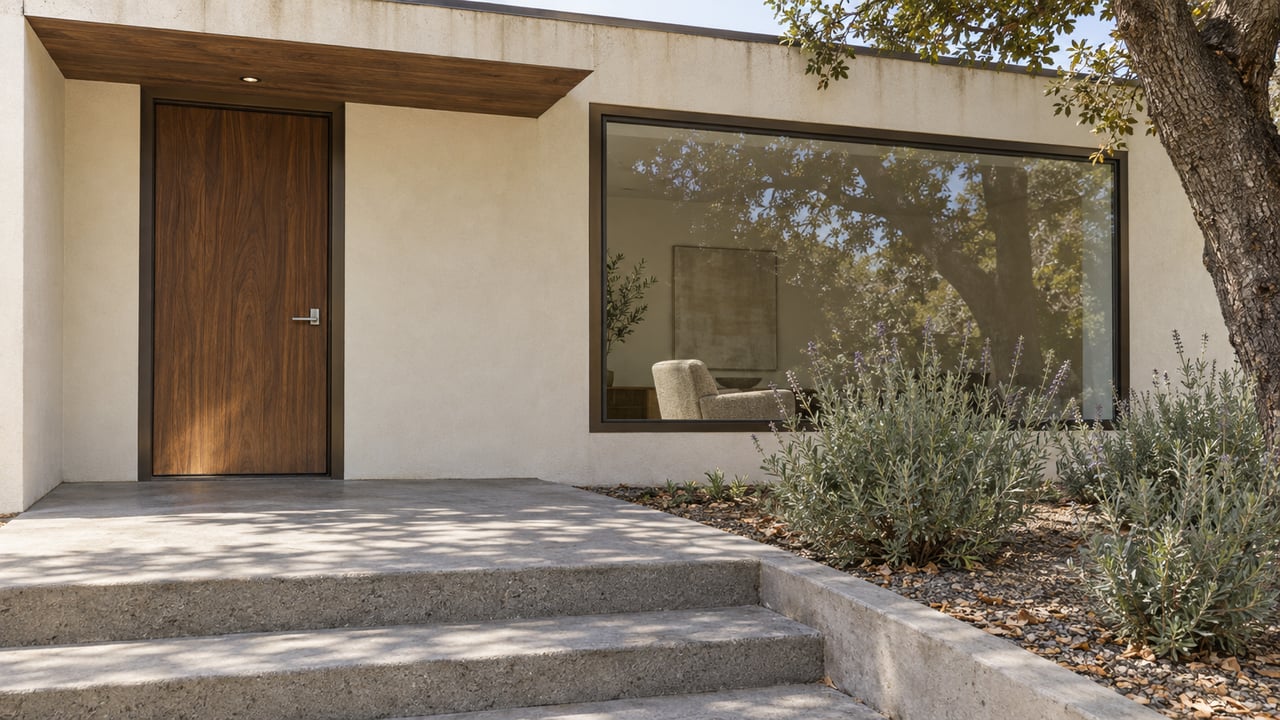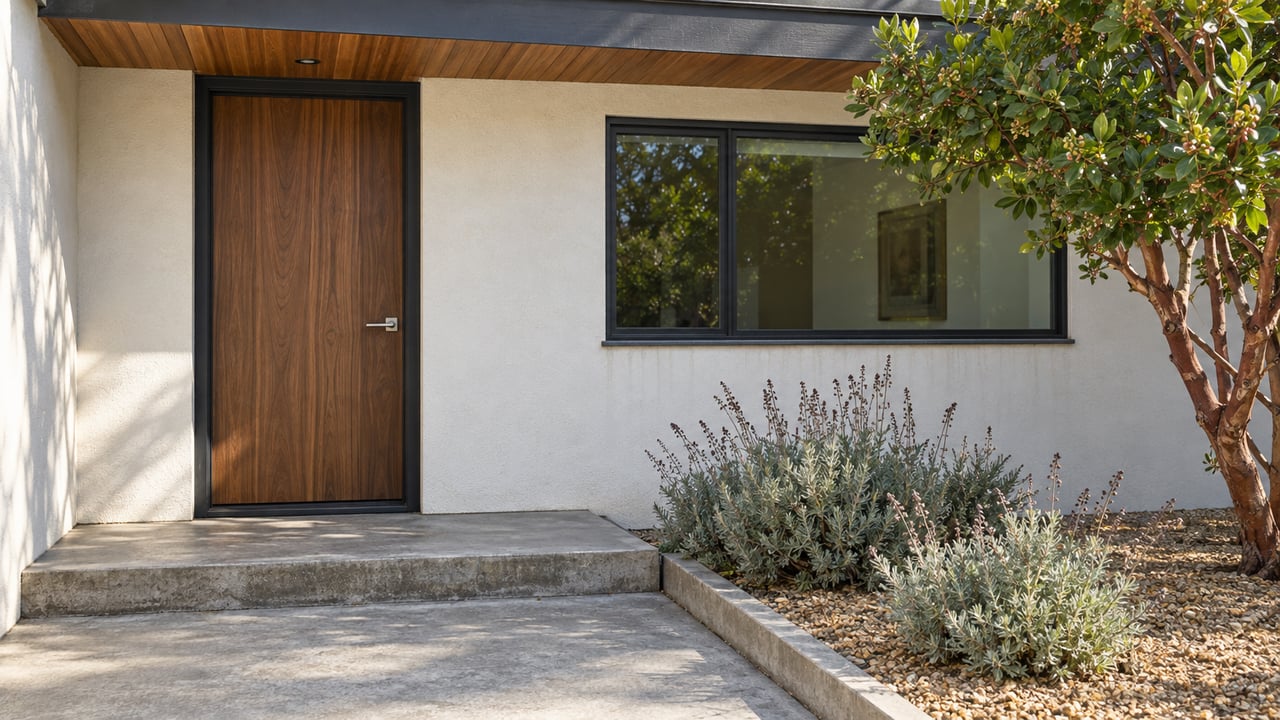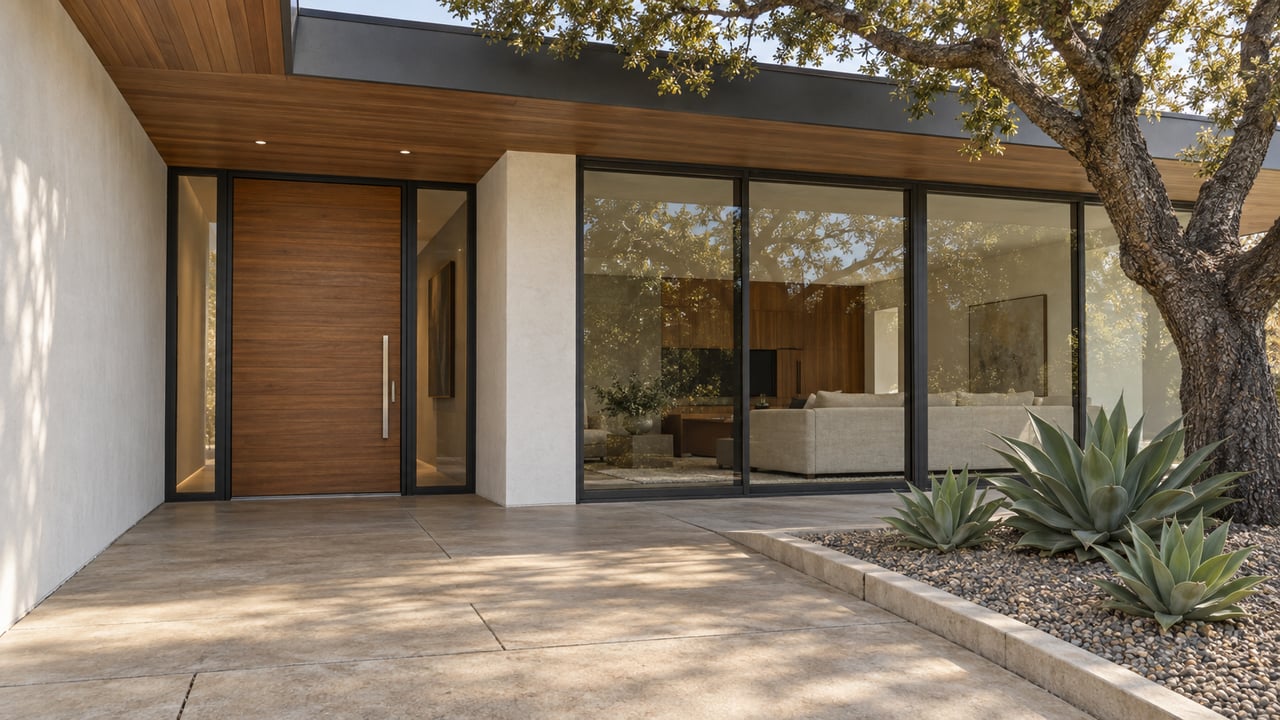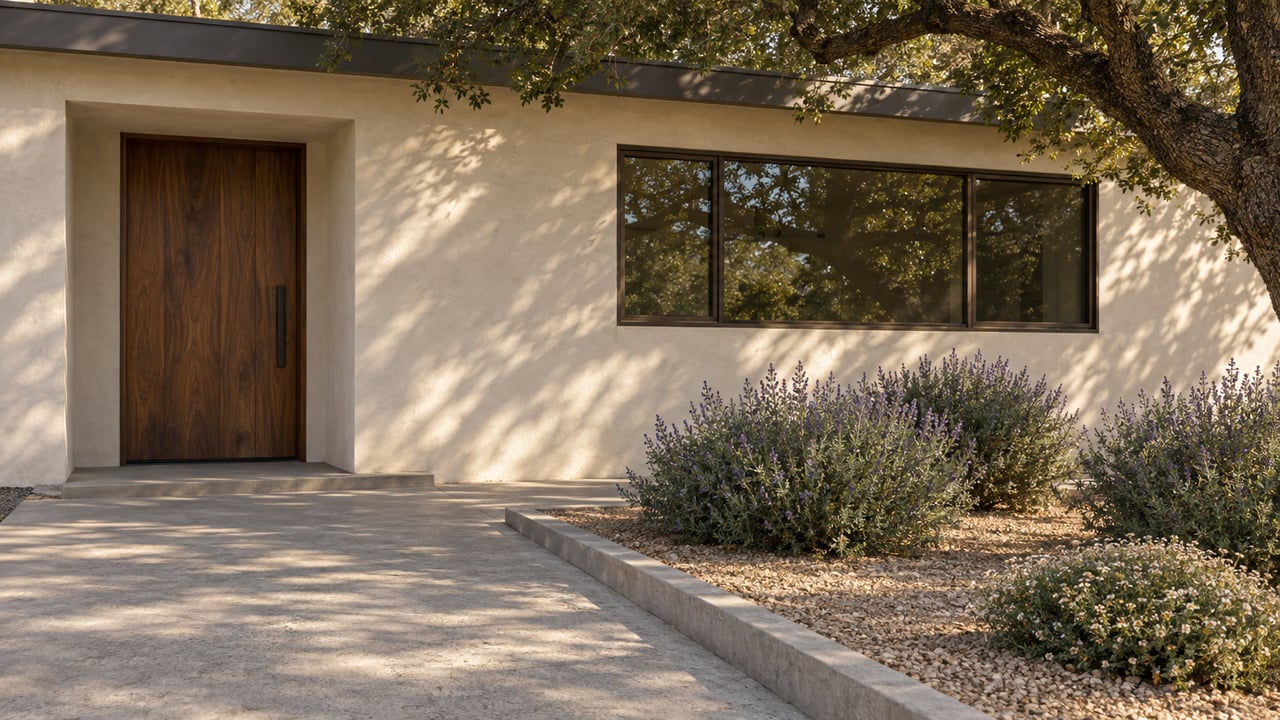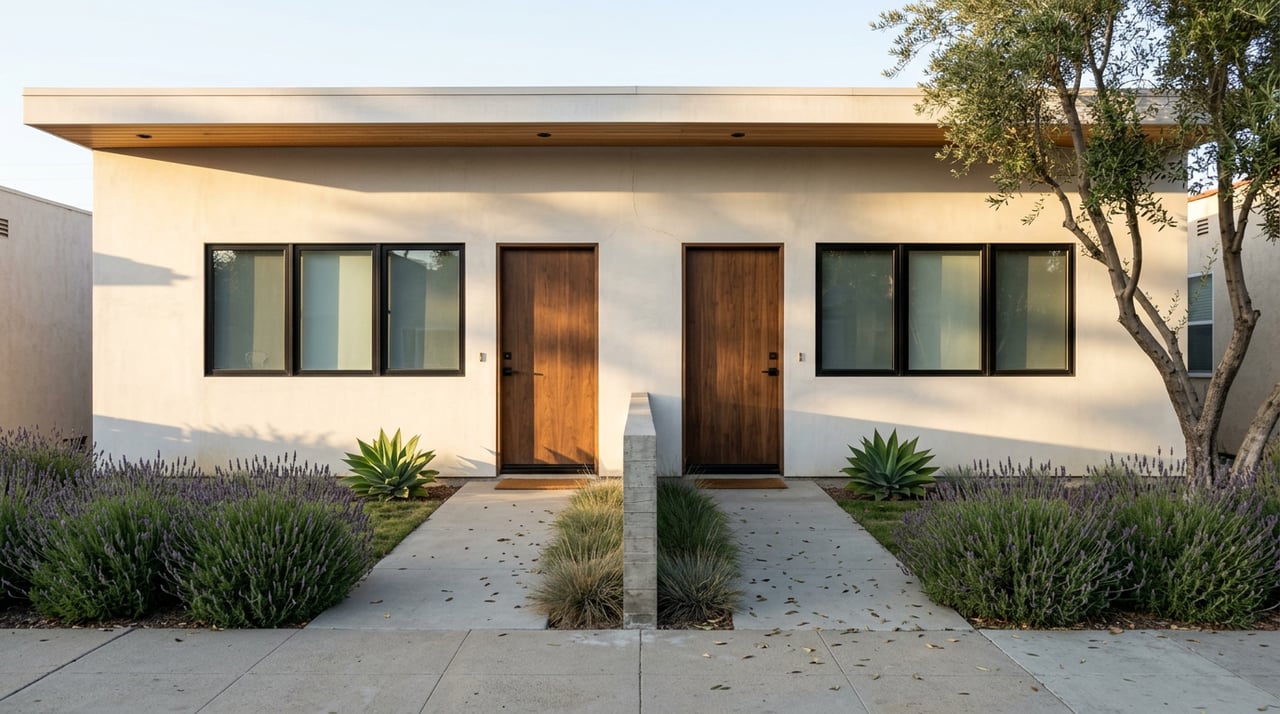
Picture two duplexes in Pasadena, three blocks apart, same asking price, same square footage, same rent roll on paper. One got its certificate of occupancy in 1988. The other in 2001. Run a standard pro forma on both and they look interchangeable. They are not. One of these buildings can see its rents raised by roughly 2.5 percent a year under city law. The other answers to a state formula that currently allows more than three times that. Same price, same street, two different assets.
The gap exists because of Pasadena's Fair and Equitable Housing Charter Amendment, better known as Measure H, and a single date written into it: February 1, 1995. If you're comparing multifamily properties in Pasadena, that date matters more than the zip code.
The cutoff, and why it moves the whole conversation
Pasadena voters approved Measure H in November 2022, and the charter amendment took effect on December 22, 2022, creating the city's first local rent stabilization program along with an independent Rental Housing Board to run it. Coverage applies to multi-unit residential rental buildings, duplexes, triplexes, apartment buildings, that received a certificate of occupancy before February 1, 1995. That date isn't a Pasadena invention. It's the earliest point at which California's Costa-Hawkins Rental Housing Act allows a city to apply local rent control, and Pasadena drew its line right at that boundary.
Anything built on or after that date is exempt from the city's rent cap. So are individually owned single-family homes and condos, regardless of age. What's left inside the net is most of the city's older multifamily stock, from courtyard fourplexes near Old Pasadena to postwar duplexes scattered through the flats.
What the ceiling actually looks like right now
The number a covered building answers to isn't fixed. It resets every year. For the period running October 2024 through September 2025, the Annual General Adjustment sat at 3.0 percent. It dropped to 2.25 percent for October 2025 through September 2026. The Rental Housing Board's formula, 75 percent of the change in the Consumer Price Index for the Los Angeles-Riverside-Orange County region, already points to 2.55 percent for the period starting October 1, 2026, based on the 3.4 percent CPI increase recorded for the year ending March 2026. The board is required to make that figure official by September 1.
A building built after February 1995 skips all of that and answers to a completely different formula. Statewide AB 1482 caps increases at 5 percent plus local CPI, up to a maximum of 10 percent. For the Los Angeles metro area, that works out to 8.7 percent for the period running August 1, 2026 through July 31, 2027.
| Property type | Governing law | Increase ceiling |
|---|---|---|
| Multifamily built before Feb. 1, 1995 | Pasadena Measure H (local RSO) | 2.55% (Oct. 2026 - Sept. 2027, pending board adoption) |
| Multifamily built Feb. 1, 1995 or later | State AB 1482 | 8.7% (Aug. 2026 - Jul. 2027, LA metro) |
| Individually owned single-family home or condo | Exempt from rent cap | Market rate |
Put those two ceilings next to each other and the difference isn't a rounding error. It's the difference between a building that can grow its income with inflation and one that structurally can't.
Why the higher number doesn't rescue you
An investor holding a covered pre-1995 duplex might assume they can simply point to the friendlier state number instead. That's not how the law works. AB 1482 steps aside wherever a stricter local ordinance already applies, and Pasadena's is stricter. The two ceilings were never actually competing for that property. Once a building falls under Measure H, the state's more generous cap isn't an option sitting on the table. It's a number that governs a different set of buildings entirely.
That's the mechanism that turns two Pasadena duplexes with identical for-sale prices into two different holds the moment you look at what each one can actually earn over the next twelve months.
The ADU wrinkle that catches otherwise careful buyers
A single-family home with an ADU looks, on paper, like the cleanest version of a Pasadena rental. According to the City of Pasadena, renting out both the main house and the ADU can result in the city classifying the entire parcel as multifamily. If either structure, main house or ADU, predates February 1, 1995, every unit on that lot, including a newly built accessory dwelling, falls under Measure H's rent cap. A buyer who assumed a brand-new ADU would always command whatever the market allows has quietly imported a 2.55 percent ceiling onto a structure that might have been finished last year.
What to verify before you write the offer
- Confirm the certificate of occupancy date for every structure on the parcel, not just the main house, directly with the city's Rent Stabilization Department.
- Check that the units are registered and current on the Rental Housing Fee. The City of Pasadena says an unregistered unit can't legally take a rent increase until that's resolved.
- Look at where existing rents sit relative to the AGA ceiling. A unit already near the cap has little room to grow under continued tenancy. A unit sitting well below market only closes that gap through turnover, since a sitting tenant is still protected by the same annual cap.
- According to California Choices, just-cause eviction protections apply broadly, including to some buildings that are exempt from the rent cap itself; underwrite any turnover-dependent strategy with that in mind.
What this means next to a median price
Median price comparisons between Pasadena and its neighbors in the San Gabriel Valley, or even between Pasadena's own neighborhoods, don't capture any of this. Two multifamily properties priced within a few thousand dollars of each other can carry income growth ceilings that are three or four times apart, decided entirely by a fact buried in county building records rather than anything visible from the curb. For an investor weighing a fourplex near the Rose Bowl against a similar building in South Pasadena or Altadena, the certificate of occupancy date deserves the same scrutiny as lot size or unit mix. It decides how much of that rent roll is actually yours to grow.
FAQ
Does Measure H apply to a single-family home I rent out in Pasadena? No rent cap applies to an individually owned single-family home, but just-cause eviction protections under Measure H generally still apply.
How often does the Annual General Adjustment change? Every year. The Rental Housing Board must announce the new figure by September 1 for the twelve-month period starting October 1, calculated as 75 percent of the change in the Consumer Price Index for the Los Angeles-Riverside-Orange County region.
If I don't use the full increase this year, can I apply it next year instead? No. According to CityRuleLookup, unused increases cannot be carried over into a future year.
If you're comparing multifamily properties in Pasadena against sister markets in the San Gabriel Valley or Northeast LA, the certificate of occupancy date is worth pulling before the second showing, not after the offer is already in. Alex Lozano works with investors and design-minded buyers across Pasadena, Altadena, and the San Gabriel Valley who want that homework done before a number gets written down. Start with a look at the Pasadena neighborhood page or reach out directly to Let's Connect.
This article is general information, not legal, tax or financial advice. Consult a qualified professional about your situation.