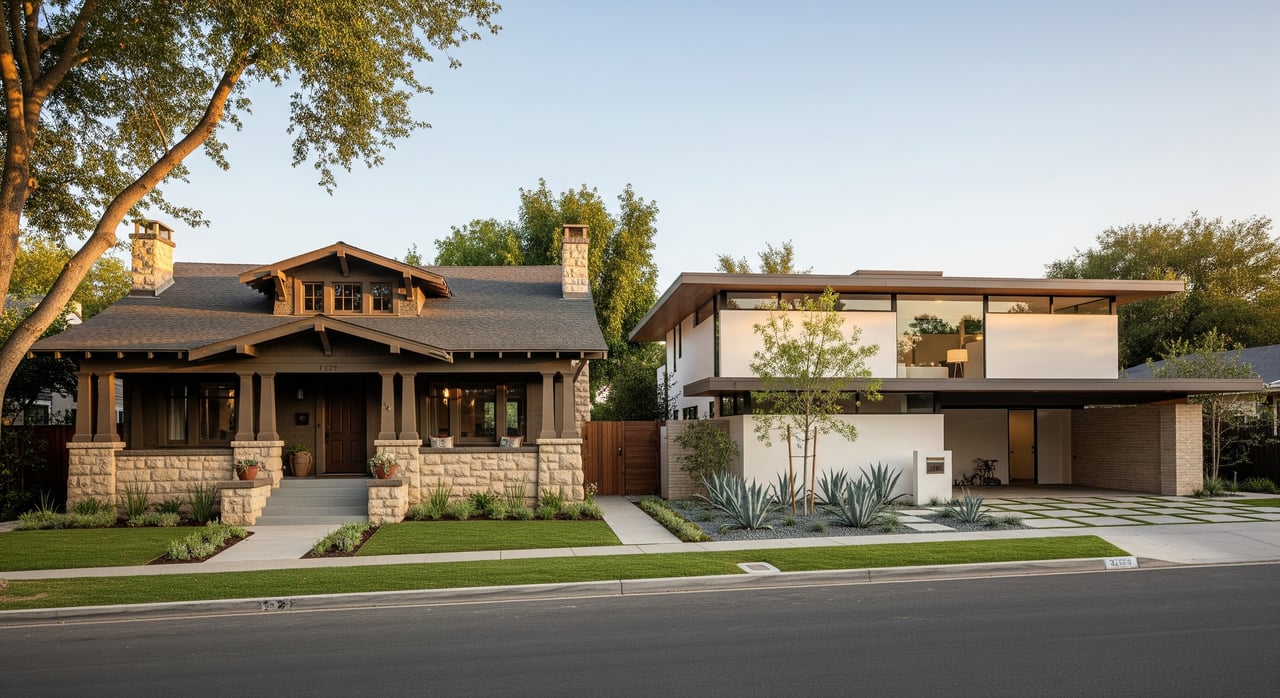
Torn between a charming Craftsman and a sleek Mid-Century in Pasadena? You are not alone. Both styles are beloved here, each offering a different way to live, renovate, and invest. In this guide, you will learn how to spot the differences, where to find each style, what to inspect, and how local rules and financing can affect your plans. Let’s dive in.
Style basics in Pasadena
Craftsman essentials
Craftsman homes in Pasadena date to roughly 1900–1930 and reflect the American Arts & Crafts movement. The city is a national hub for the style, highlighted by the iconic Gamble House and neighborhoods like Bungalow Heaven celebrated by Pasadena Heritage. Typical features include low-pitched gabled roofs, deep eaves with exposed rafters, tapered porch columns, extensive woodwork, and built-ins.
Inside, you often see coffered ceilings, masonry fireplaces, and defined rooms rather than an open plan. Common upkeep needs in our climate include wood repair for rot or termites, repair of original single-pane windows, updates to older wiring and plumbing, and seismic bracing of foundations. The City of Pasadena’s Historic Preservation resources are helpful if you plan exterior changes.
Mid-Century essentials
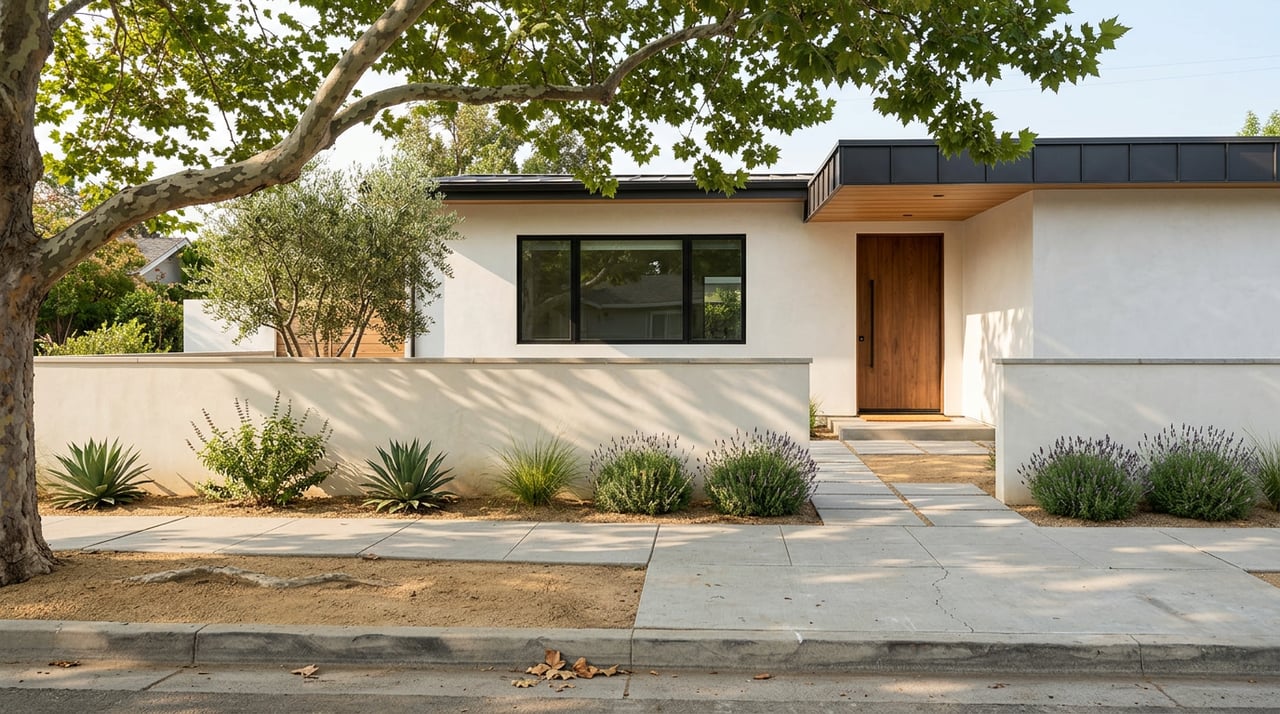
Mid-Century homes, built about 1945–1970, range from postwar ranches to post-and-beam modern designs. Expect low or flat roofs, strong horizontal lines, large glass walls, and indoor-outdoor flow. For context and regional examples, the Los Angeles Conservancy offers Modernism resources you can review.
Interiors often feature open floor plans, clerestory windows, and simpler trim. Typical maintenance items include flat or low-slope roof repairs, aging HVAC, slab-on-grade plumbing issues, and original single-pane glass that affects comfort.
Where to find and how to spot
Year-built shortcuts
- Craftsman: often 1900–1930
- Mid-Century: often 1945–1970
You can filter by year built and style keywords in MLS and public records to narrow your search.
Neighborhood cues and landmarks
- Craftsman clusters: Look around Bungalow Heaven and areas near the Arroyo and Old Pasadena. Use Pasadena Heritage tours and the City of Pasadena planning pages to understand historic districts.
- Mid-Century concentrations: Many postwar subdivisions and hillside areas developed in the 1940s–1960s contain ranch and Mid-Century Modern homes. The Los Angeles Conservancy provides regional context and inventories for Modernism.
What to inspect before you buy
Essential inspections for both styles:
- General home inspection covering structure, roof, HVAC, plumbing, and electrical
- Pest/termite inspection
- Foundation and seismic evaluation
- Hazardous materials testing when relevant
For slab-on-grade homes, add a sewer and under-slab plumbing check. For flat or low roofs, order a focused roof inspection. For earthquake risk and coverage options, review the California Earthquake Authority.
Craftsman red flags
- Rot or termite damage at porches, trim, and framing
- Knob-and-tube or outdated wiring
- Original single-pane windows that may need repair or sensitive upgrades
- Plaster cracks from settling and the need for seismic bolting
Mid-Century red flags
- Recurring leaks at flat or low-slope roofs
- Moisture at large glass assemblies and framing
- Aged HVAC or ductwork
- Slab plumbing issues and potential asbestos in original materials
Permits, historic rules, and ADUs
Historic status matters. Homes located in local historic districts or with individual landmark status can require design review for exterior changes under Pasadena’s Historic Preservation Ordinance. Start with the City of Pasadena Historic Preservation pages to verify status before planning any work.
You may also explore Mills Act property tax incentives if a property qualifies. Programs vary by parcel and require an application and compliance with preservation obligations. For ADUs and additions, confirm local standards early, since historic design and siting rules can affect your plans.
Renovation strategy and costs
Restore or modernize?
- Preservation approach: Keep defining elements like millwork, built-ins, and original finishes. This protects character and can align with preservation incentives. The National Trust for Historic Preservation offers helpful guidance.
- Modernization approach: Improve comfort and function with updated kitchens and baths, new HVAC, and energy upgrades. In historic districts, plan carefully to meet local design guidance.
Priorities that pay off
- Structure and safety: foundation, seismic retrofits, roof integrity
- Systems: electrical, plumbing, HVAC
- Water and pests: fix leaks, improve drainage, treat termites
- Energy and comfort: insulation, sensitive window repair or replacements, efficient HVAC
For efficiency rebates and programs, check Pasadena Water and Power. Build a realistic budget and include a contingency, especially for older homes where hidden issues can surface.
Financing and insurance basics
If your target needs work, consider renovation financing. The FHA 203(k) Rehabilitation Mortgage Insurance Program and Fannie Mae HomeStyle Renovation can bundle purchase and rehab into one loan. Lenders may request extra inspections for unique or historic features.
Insurance on older homes can be higher due to craftsmanship and materials. Roof type and condition can affect premiums, and earthquake coverage is separate in California. Compare quotes early and consult the California Earthquake Authority for coverage details.
Market fit and resale outlook
Both Craftsman and Mid-Century homes perform well in Pasadena when maintained and presented thoughtfully.
- Craftsman fit: You value historic details, woodwork, front porches, and cozy, defined rooms. You are okay with more hands-on upkeep of wood and trim.
- Mid-Century fit: You want open plans, big windows, and indoor-outdoor flow. You prefer a minimalist canvas that adapts easily to modern living.
For resale, authenticity and quality upgrades matter. Staging that showcases each style’s strengths helps buyers connect with the property.
Buyer due diligence checklist
- Confirm year built and any local historic designation or easements
- Review permit history and past renovations
- Order inspections: general, pest, roof, slab plumbing if applicable, hazardous materials, seismic
- Get written contractor estimates and include a contingency
- Verify zoning and ADU potential
- Price out insurance and earthquake coverage
Ready to tour?
If you are weighing Craftsman charm against Mid-Century clarity, a local, design-minded plan will help you buy with confidence. From style-specific inspections to strategy on permits, staging, and resale, you will have a smoother path with the right guidance. Reach out to Alex Lozano to compare options, line up inspections, and tour homes that match your vision.
FAQs
What are the key differences between Craftsman and Mid-Century in Pasadena?
- Craftsman emphasizes woodwork, porches, and defined rooms from 1900–1930; Mid-Century favors open plans, large glass, and indoor-outdoor flow from 1945–1970.
Where should I start looking for each style in Pasadena?
- Begin with Bungalow Heaven and Arroyo-adjacent areas for Craftsman, and postwar subdivisions and hillsides for Mid-Century; verify details with the City’s planning resources.
How do Pasadena historic districts affect renovations?
- Exterior changes in designated districts often require design review; confirm status and process on the City of Pasadena Historic Preservation pages before planning work.
What inspections are essential for older Pasadena homes?
- General, pest, roof, and seismic checks are core; add slab plumbing for slab-on-grade homes and test for lead or asbestos when relevant.
Are renovation loans available for fixer-uppers?
- Yes. FHA 203(k) and Fannie Mae HomeStyle can combine purchase and rehab in one loan; work with lenders experienced in renovation financing.
Can I improve energy efficiency without losing historic character?
- Yes. Focus on insulation, HVAC upgrades, and sensitive window repair or secondary glazing, and explore PWP rebates for cost-effective improvements.