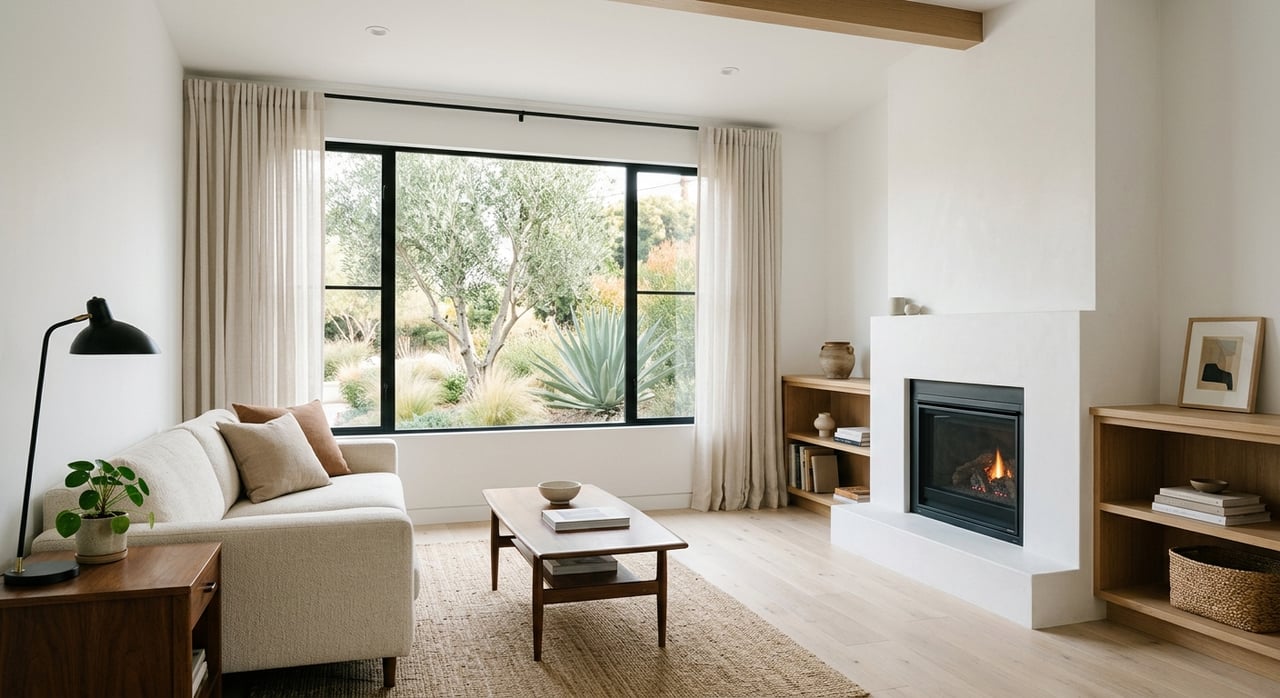
Thinking about selling your first condo or small single-family home in West Covina? You are not alone. With steady buyer activity and many locals looking to stay in the San Gabriel Valley, a well-prepped starter home can shine. In this guide, you’ll learn what to fix first, which disclosures matter, how to stage small spaces, how to price for first-time buyer demand, and how to plan your trade-up. Let’s dive in.
The West Covina market at a glance
Recent data shows West Covina remains competitive. As of February 2026, Redfin reports a median sale price around $860,000 and an average of roughly 34 days on market. Local buyers often search within the same metro, which means a polished, well-photographed listing can draw strong interest from people who want to stay close to work, family, and amenities.
If you’re planning to trade up inside the San Gabriel Valley, nearby February 2026 Redfin medians can help set expectations: Covina about $859,500, Azusa about $662,500, Glendora about $870,000, and Walnut near $1.2 million. This context helps you estimate your price gap when moving up.
For broader community perspective, West Covina’s population is about 106,900 with a median household income near $101,000, and roughly 60% owner-occupancy. You can explore local demographics on the U.S. Census QuickFacts page for West Covina for more detail. See QuickFacts.
Disclosures and documents to prepare
California requires sellers to deliver a Transfer Disclosure Statement and a Natural Hazard Disclosure when applicable. These forms ensure buyers receive known material facts about the property, and the NHD identifies whether the home lies in mapped hazard zones. Read the California Civil Code section that outlines the NHD requirement for more detail. Review the statute.
Listing a home “as is” does not remove the duty to disclose known defects. It is smart to gather repair receipts, permits, and, for condos, HOA resale docs early. This seller packet reduces questions in escrow and signals transparency. For a plain-English overview of disclosure duties, see this consumer guide. Learn the basics.
Pre-list inspections and the right fixes first
A pre-list home inspection can help you decide whether to repair an item, offer a credit, or price accordingly. For older homes, consider a separate wood-destroying pest inspection. Sharing that an inspection is completed can also strengthen buyer confidence.
Prioritize repairs that protect safety, financing, and first impressions:
- Safety and major systems. Fix active leaks, unsafe electrical issues, HVAC that does not heat or cool, water heater problems, and any visible rot or mold. These can trigger loan and appraisal concerns if left unresolved.
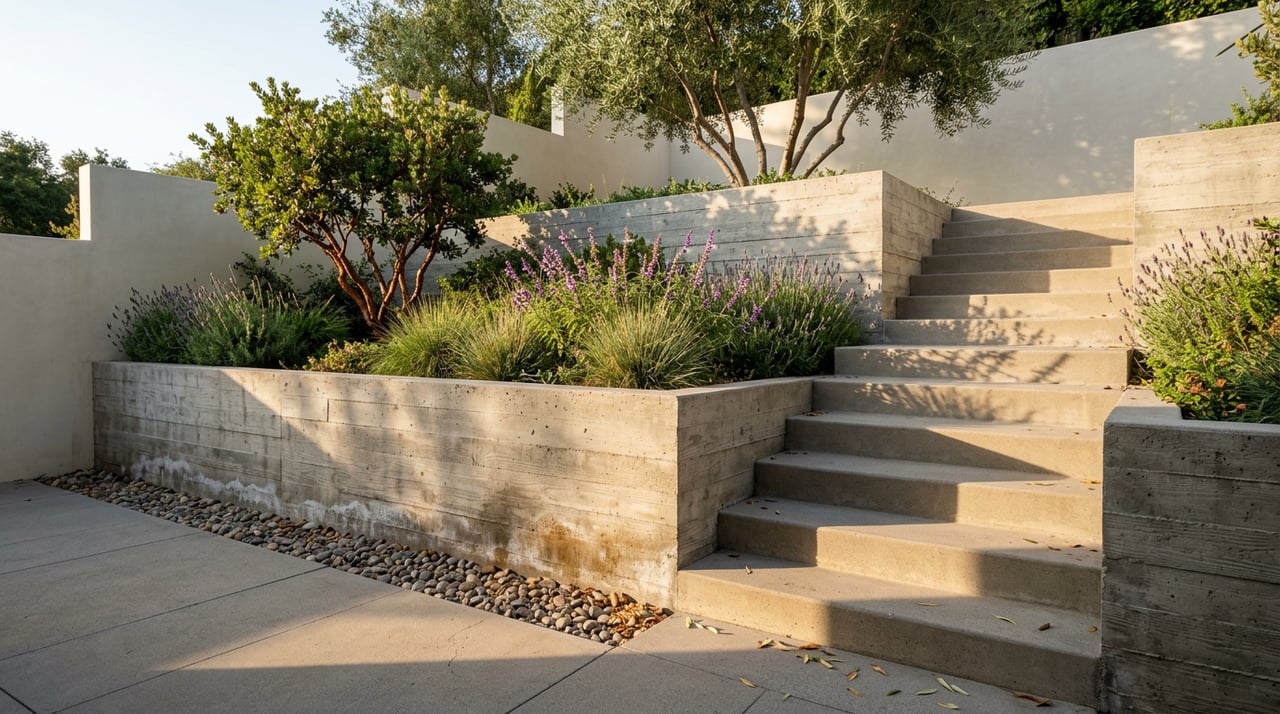
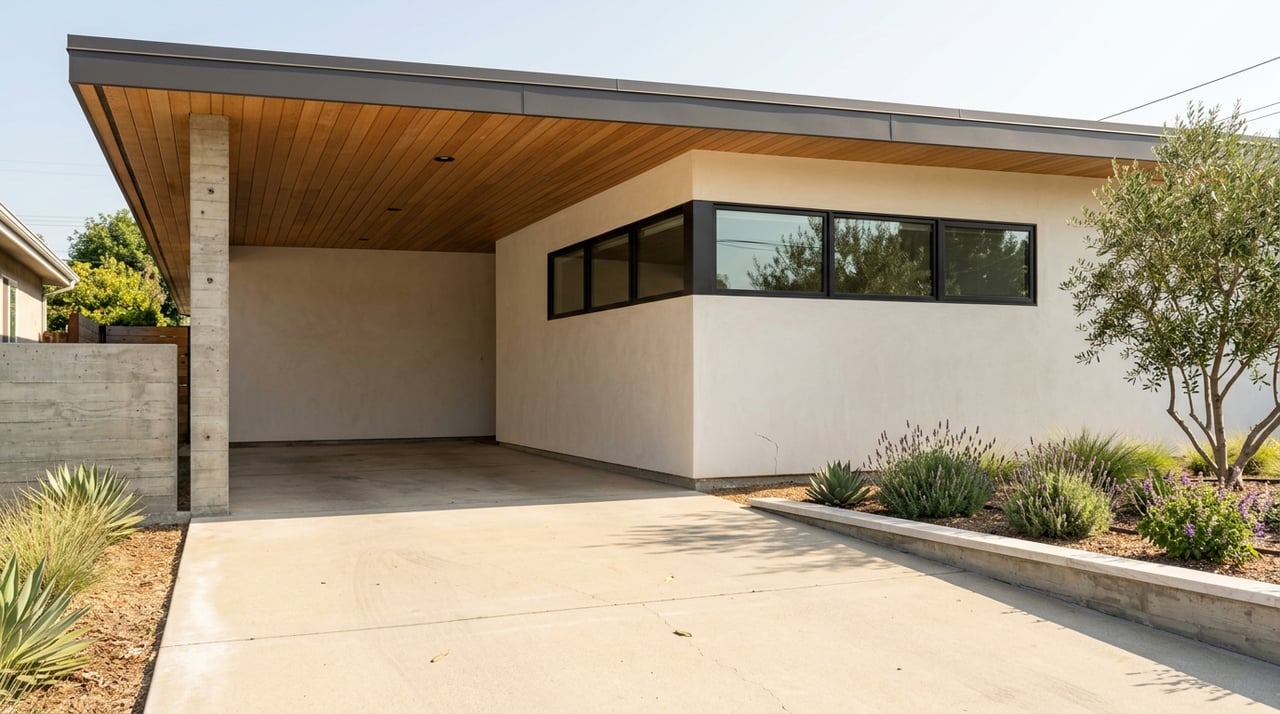
- Curb appeal. Clean gutters, mow and edge, paint the front door and trim, and refresh basic landscaping. These small upgrades photograph well and elevate the first impression.
- Cosmetic freshness. Apply neutral interior paint, patch and caulk, replace broken light fixtures, deep clean, and declutter. Low-cost cosmetic work energizes photos and showings.
- Flooring and surfaces. Clean or replace worn carpet, or install budget-friendly vinyl plank or engineered wood where it fits. Small kitchen updates like painted cabinets, new hardware, and a modern faucet offer outsized visual impact.
- Lender-critical items. Address obvious roof problems, active termite damage, and sewer issues when they are likely to affect financing.
If you have questions about past permits or public-right-of-way work, contact West Covina Public Works and Engineering. It is the best starting point for prior permit lookups related to street work or sewer connections. Visit West Covina Public Works.
Stage and photograph smaller spaces to feel bigger
Staging helps buyers visualize how a home lives, which is especially important for compact floor plans. The National Association of Realtors’ 2025 Profile of Home Staging found that about 29% of agents reported a 1–10% increase in offer prices for staged homes, and 49% saw reduced time on market. Focus on the living room, primary bedroom, and kitchen. See the NAR staging report.
Use these staging and photography tactics for West Covina starter homes:
- Declutter and depersonalize. Pack away 30–50% of small items. Clear surfaces and closets so rooms read larger.
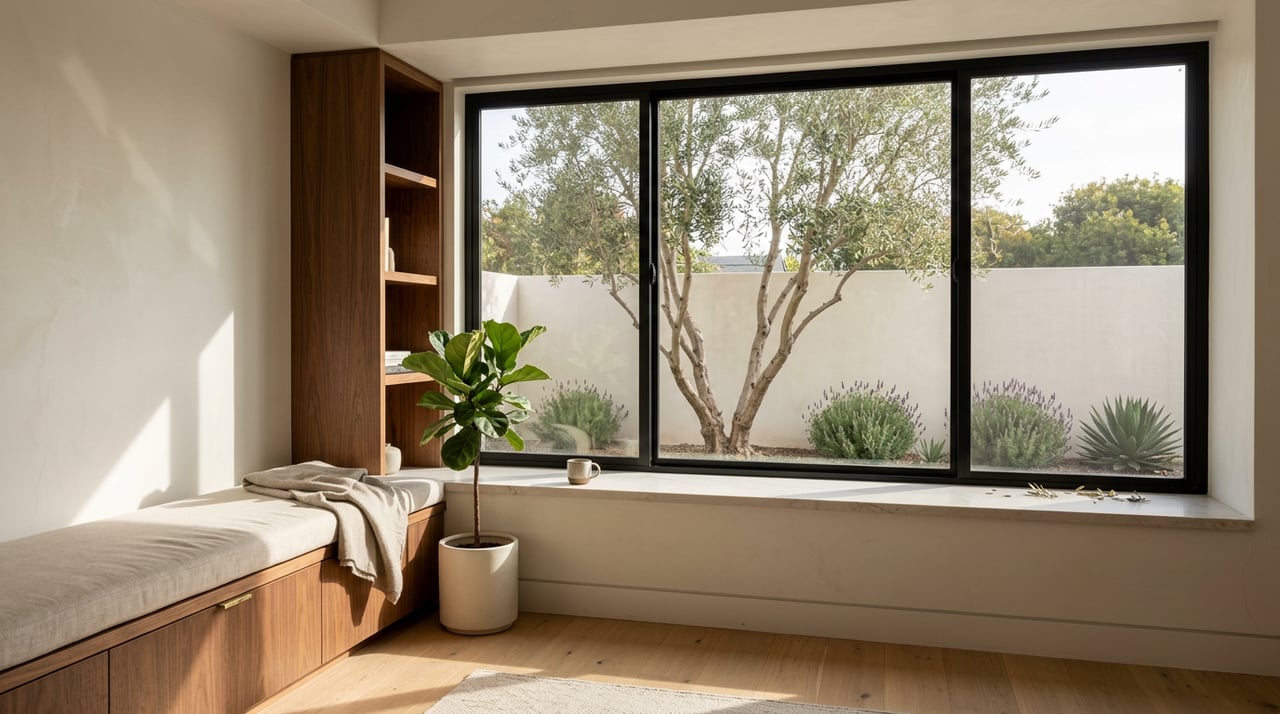
- Light and color. Maximize daylight, remove heavy window treatments, and use neutral paint. Swap in bright, high-quality bulbs.
- Right-size furniture. Replace or remove oversized pieces, create obvious traffic flow, and highlight storage solutions.
- Photo order matters. Lead with the curb appeal hero shot, then the living area, kitchen, primary bedroom, and outdoor space. Include a floor plan image early in the gallery so remote buyers can grasp layout fast.
- Add a 3D tour. Matterport reports that listings with immersive 3D tours attract more engagement and can sell faster at higher prices in their vendor studies. This is powerful for compact homes because buyers can understand the flow. Explore the research.
What should you budget? Nationally, modest professional staging projects often cluster around a median of about $1,500, with full-home staging costing more depending on scope. Photography packages often run a few hundred dollars, with add-ons for drone, twilight, or 3D tours. See cost benchmarks.
Price for first-time buyer demand
Start with a local CMA that focuses on nearby recent sales and condition. For West Covina starter homes, you will likely price near or below the city median, depending on size and updates. List prices that sit in a well-searched band, typically within 3–5% of the most relevant comps, attract more showings and reduce time on market.
Consider targeted incentives instead of a too-high list price. Time-limited credits for buyer closing costs, a home warranty, or a small repair allowance can reduce a first-time buyer’s cash needed at closing. Always confirm any concession with the buyer’s lender before advertising specifics, since programs have rules about allowable contributions.
Market to how West Covina buyers shop
Most West Covina buyers search within the Los Angeles-Long Beach-Glendale metro. That means your best prospects are often nearby. Build a launch that meets them where they browse:
- Professional photo set with a clear story order and accurate floor plan
- 3D tour or video walkthrough for strong remote engagement
- Clear, concise description that highlights functional upgrades, storage, and outdoor usability
- Bilingual marketing where appropriate to broaden reach across a diverse, local audience
Tap programs that help first-time buyers
Many buyers in this price band leverage assistance. Highlight potential eligibility in your marketing copy to widen the pool:
- CalHFA MyHome Assistance can help with down payment or closing costs when paired with participating lenders. This can make entry more affordable for qualified buyers. Review CalHFA MyHome.
- County and nonprofit options, such as mortgage credit certificates or local assistance programs, can also apply. Invite buyers to explore Los Angeles County resources and connect with approved lenders. See county resources.
Always ask your agent to coordinate language about eligibility with lenders so you only promise what programs allow.
Timeline: four to six weeks to launch
- 4–6 weeks out: Declutter and donate, schedule a pre-list inspection, and complete safety and major systems repairs.
- 1–2 weeks out: Do cosmetic updates, light landscaping, and targeted staging. Book professional photos after staging is installed.
- List week: Upload a complete MLS package with photos, floor plan, and 3D tour. Include disclosures, measurements, and property highlights. Launch online marketing and agent outreach.
Sample prep budget ranges
- Declutter and deep clean: $0–$600
- Minor repairs and paint touch-ups: $500–$4,000
- Professional photography: a few hundred dollars for a standard package; add drone or twilight for more
- Targeted professional staging: around $1,500 median for modest projects; more for whole-home or luxury scope
- Pre-list home inspection: $300–$700
Actual costs vary by vendor and scope. Target the high-visibility items buyers notice first.
Example seller proceeds for a West Covina starter home
Example only. Assumes a sale at $860,000, total commission of 5% (negotiable), other seller closing costs and prorations at 1%, and an outstanding mortgage payoff of $350,000.
- Gross sale price: $860,000
- Less commissions (5%): -$43,000
- Less closing costs and prorations (1%): -$8,600
- Less mortgage payoff: -$350,000
- Estimated net to seller before taxes and moving: about $458,400
Your numbers will differ based on your loan payoff, HOA fees, escrow and title charges, taxes, and negotiated terms. Ask your agent and escrow officer for a precise net sheet before you list.
Planning your trade-up in the SGV
Once your starter home sells, you can target the right next step using the current landscape. As of February 2026 Redfin medians: Azusa hovers near $662,500 for a potential value move, Covina and Glendora sit around the mid to high $800,000s, and Walnut is a premium tier near $1.2 million. Pair those medians with your estimated net proceeds to map your budget. If timing is tight, ask your agent about strategies such as rent-backs, extended escrows, or short-term housing to bridge the gap without rushing your purchase.
How Alex Lozano helps you stand out
Starter homes win when they feel bright, clear, and move-in ready. Alex’s approach combines boutique, design-forward marketing with deep San Gabriel Valley expertise. You get hands-on guidance with staging and pre-sale concierge, a gallery-first visual package with professional photos, floor plan, and 3D tour, and a straightforward pricing and negotiation plan aimed at first-time buyer demand. Ready to plan your sale and next move in the SGV? Connect with Alex Lozano.
FAQs
What should I fix before selling a West Covina starter home?
- Focus on safety and major systems first, then curb appeal and fresh paint, followed by lighting, minor repairs, and clear, clean rooms. These changes boost photos and showings.
How much should I spend on staging for a small home or condo?
- Many modest projects land near a $1,500 median, and NAR finds staging can lift offers and reduce time on market. Target the living room, primary bedroom, and kitchen.
Can I offer to pay a buyer’s closing costs in West Covina?
- Yes, seller-paid credits are a common tool, but rules vary by loan program. Confirm details with the buyer’s lender before you advertise or accept terms.
Which disclosures are required when selling in California?
- You typically need the Transfer Disclosure Statement and the Natural Hazard Disclosure, plus any known material facts about the property. Ask your agent to organize these early.
How do I trade up inside the San Gabriel Valley after I sell?
- Use current medians for nearby cities to estimate your target price band, pair that with your net proceeds, and consider timing tools like rent-backs or longer escrows to bridge moves.