If you own a rental in Silver Lake, the question is not just whether now is a good time to sell. It is whether your specific property still works as a rental once you factor in rent rules, maintenance, tenant situation, and what today’s buyers may be willing to pay. If you are weighing cash flow against appreciation, simplicity against long-term upside, this guide will help you sort through the decision with a clear Silver Lake lens. Let’s dive in.
Silver Lake market snapshot
Silver Lake is still a high-value, active market, which matters if you are thinking about selling. According to Zillow’s Silver Lake home value data, the neighborhood average home value was $1,436,441 as of March 31, 2026, and homes were going pending in about 36 days. The same report also supports the bigger takeaway: this is an expensive, liquid market rather than a distressed one.
That strength is one reason many owners are revisiting whether it makes sense to keep holding a rental. On the demand side, Silver Lake also has a large renter base. RentCafe reports that roughly 70% of households are renter-occupied, with average apartment rent at $2,433, up 6.89% year over year.
At the metro level, the cost gap between renting and buying still supports rental demand. RentCafe notes that in Los Angeles-Long Beach-Anaheim, buying a starter home costs 80.7% more than renting one. That does not answer your sell-or-hold decision by itself, but it does help explain why well-positioned rentals can remain attractive to tenants.
Local rules can change the math
In Los Angeles, your decision often depends as much on ordinance status as it does on price trends. A property that looks strong on paper can feel very different once you account for rent limits, eviction rules, relocation costs, and withdrawal requirements. Before you decide anything, you need to know which rules apply to your rental.
RSO coverage matters
The Los Angeles Housing Department says the City’s Rent Stabilization Ordinance generally applies to rentals first built on or before October 1, 1978. That can include apartments, condos, townhomes, duplexes, some single-family configurations on the same parcel, plus ADUs and JADUs. If your property falls under RSO, that affects rent increases, registration, eviction reasons, and possible relocation assistance.
For many owners, the current rent cap is a major factor. LAHD’s renter protections guidance says the RSO annual rent increase is 3% for July 1, 2025 through June 30, 2026, and that the formula changed on February 2, 2026 to a 1% to 4% range tied to CPI. LAHD also says landlords can no longer add an extra percentage for utilities.
If your insurance, repairs, taxes, or other operating costs are rising faster than allowed rent increases, holding may feel less appealing. In that case, appreciation and future resale value may need to do more of the heavy lifting.
Non-RSO does not mean unrestricted
If your property is not covered by RSO, that still does not mean there are no tenant protections. LAHD states that the city’s Just Cause Ordinance covers most residential properties not regulated by the RSO. On top of that, the California Attorney General’s guidance on AB 1482, referenced in the same city protections framework, caps annual rent increases for many covered units at 5% plus CPI or 10% total, whichever is lower, and applies just-cause eviction rules after 12 months for most covered tenants.
That is why a rental should be reviewed as a legal and operational asset, not just a price-per-square-foot exercise. Your real decision is about how much flexibility, risk, and effort the property requires from you going forward.
Exiting can involve time and cost
Some owners assume they can simply decide to stop renting and move on. In practice, the process can be more involved. LAHD explains that no-fault evictions can require relocation assistance, and withdrawing a property from the rental market can involve notices, filings, administrative fees, relocation payment, and follow-up compliance.
For some qualifying single-family owners, LAHD says relocation can be one month’s rent when the owner is a natural person or qualifying trust or entity and owns no more than four dwelling units plus a separate-lot single-family home. Even so, the bigger point is simple: if your exit path is likely to be slow or costly, selling may be less straightforward than it first appears.
When selling may make more sense
Some Silver Lake rentals clearly lean toward a sale. That is often true when the property is under-rented, major repairs are coming due, or the current tenancy setup makes future repositioning expensive and time-consuming. In a market with regulated rent growth and detailed compliance requirements, the cleaner outcome may be to sell into a strong pricing environment instead of continuing to manage friction.
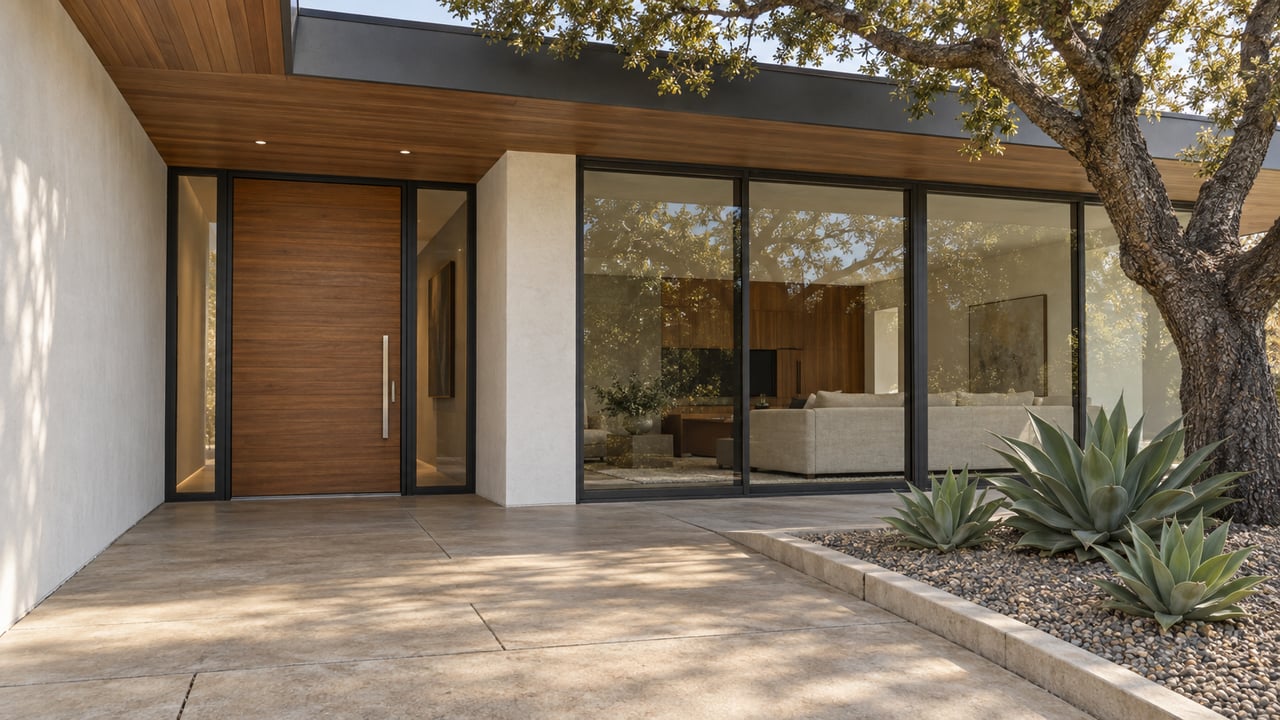
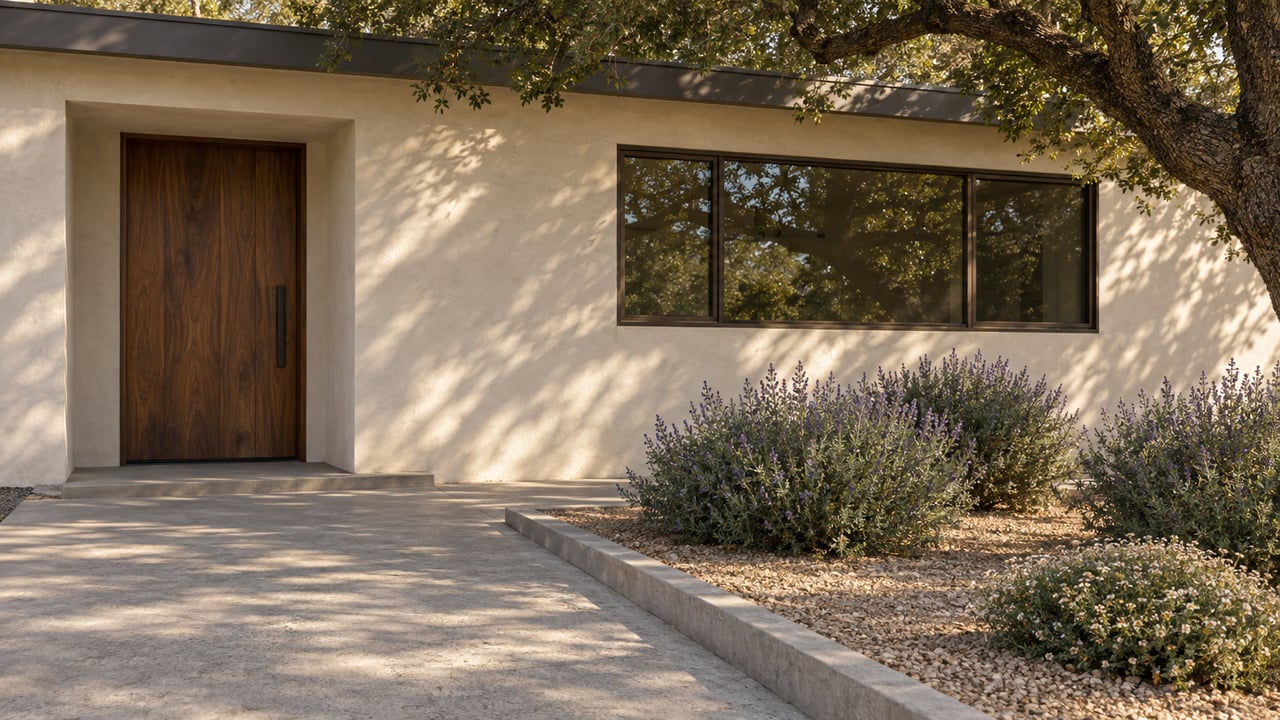
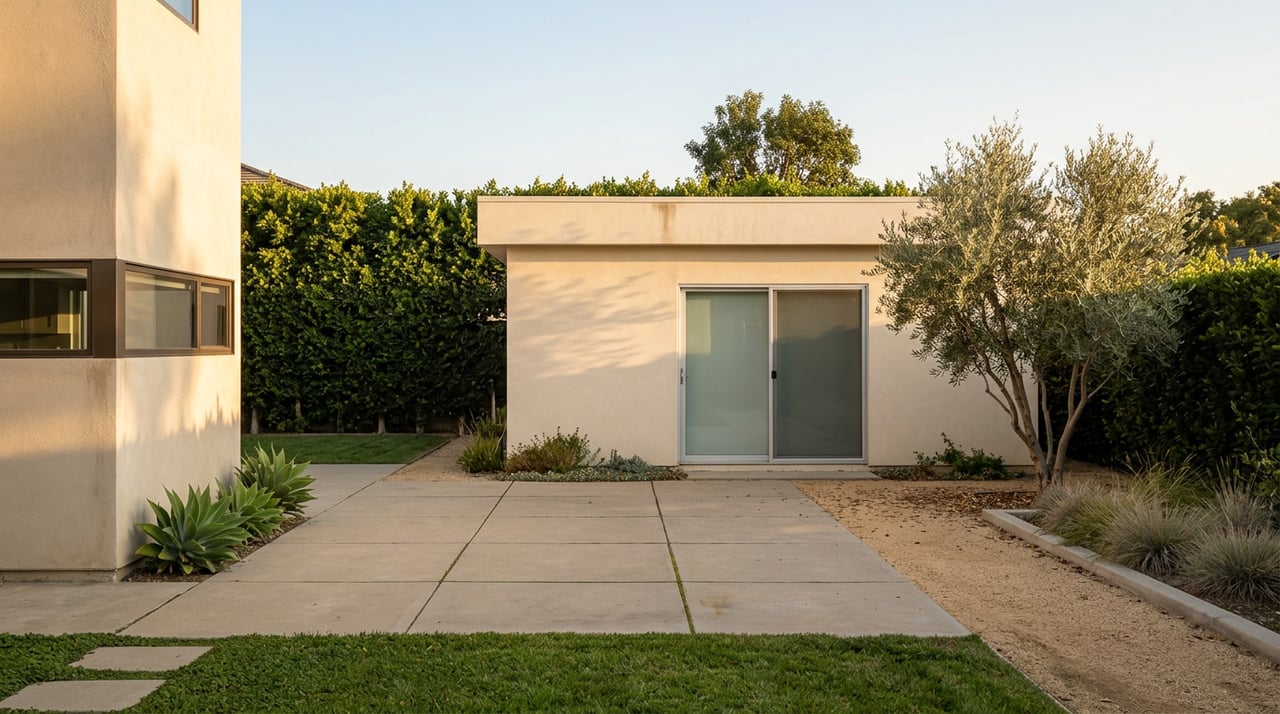
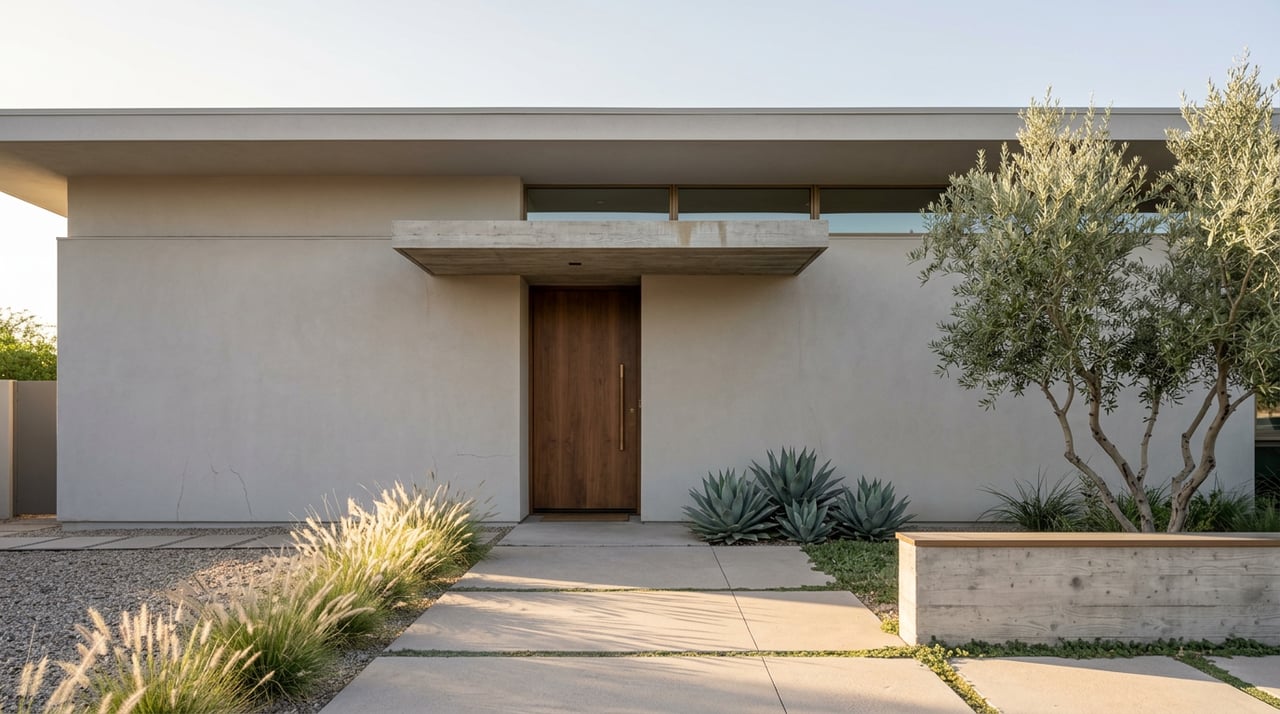
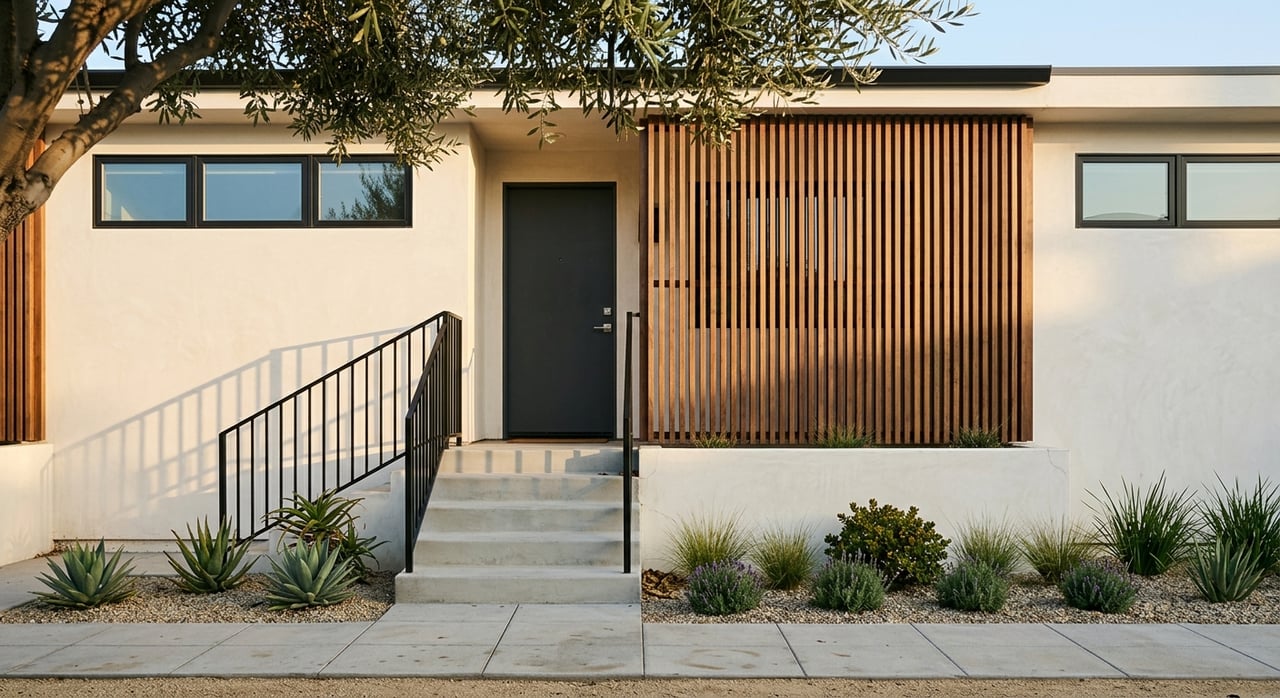
Selling can also make sense if the property is especially marketable right now. Silver Lake has a strong design identity, and that can be an advantage when a home is presented well. The Silver Lake-Echo Park-Elysian Valley Community Plan notes the area’s reputation for notable architecture, including work associated with Richard Neutra, Rudolph Schindler, and Gregory Ain.
That design history helps explain why polished presentation can matter here. The National Association of Realtors’ 2025 staging report found that 29% of agents said staging increased dollar value offered by 1% to 10%, 49% said it reduced time on market, and 83% of buyers’ agents said staging made it easier for buyers to imagine living in a home.
If your Silver Lake rental has strong architecture, clean lines, great light, or a story buyers will respond to, a design-forward sale strategy may unlock more value than a hold strategy built around limited rent growth. This is especially relevant if the property can be delivered in a condition that photographs well and feels move-in ready.
When holding may make more sense
Holding usually becomes more compelling when the property still performs well after real expenses. If your net operating income remains solid, the tenant situation is stable, and the home is relatively easy to maintain, the long-term case may still be strong. That is even more true in a neighborhood where renter demand remains meaningful.
Silver Lake’s rental base is not a minor detail. RentCafe’s neighborhood data shows a renter-heavy local market, and the broader Los Angeles affordability gap continues to support renting over buying. If you have a well-located property and a long time horizon, you may prefer to keep compounding equity rather than cash out today.
Holding can also make sense when the property has distinctive design value that may become even more valuable later. Silver Lake’s architectural character is part of its appeal, and a home with good bones, original details, or thoughtful updates may continue to attract both tenants now and buyers later. In other words, some rentals are not just income properties. They are future resale candidates that may benefit from patience.
Questions to ask before you decide
A strong sell-or-hold decision usually comes down to a short list of practical questions. If you can answer these clearly, your path often becomes much easier to see.
1. Which rules apply to the property?
Start with the basics. Is the rental covered by RSO, the Just Cause Ordinance, AB 1482, or some combination depending on the property type and tenancy? That answer shapes rent growth, tenant rights, exit options, and the likely cost of change.
2. What is the real income outlook?
Look at current gross rent, realistic allowed rent increases over the next 12 to 24 months, and actual operating costs. If the spread between income and expenses is shrinking, the hold case may be weaker than it appears at first glance.
3. What repairs or upgrades are coming?
Deferred maintenance matters. A roof, plumbing issue, foundation concern, or dated interiors can all affect whether holding still makes sense. Sometimes a sale before major capital work is the more efficient move.
4. Would tenants in place affect value?
This is one of the most important pricing questions. In some cases, selling with tenants in place may narrow the buyer pool or affect what buyers are willing to pay compared with a property delivered vacant. The answer depends on the tenancy, property type, and likely buyer audience.
5. Could presentation change the result?
Not every property needs a full renovation to perform better. Sometimes modest improvements, stronger staging, better photography, or a more design-conscious listing strategy can materially change buyer response. In Silver Lake, visual presentation can have an outsized impact because buyers often respond to architecture, light, layout, and overall feel.
6. What is your real goal?
Be honest about what you want most. Are you trying to maximize current cash flow, simplify your life, reduce legal and compliance exposure, or stay invested for long-term appreciation? The best answer is not always the one with the biggest headline number. It is the one that fits your financial goals and tolerance for effort.
A Silver Lake decision needs property-level analysis
The broad market says Silver Lake remains valuable, active, and renter-supported. The legal landscape says not every rental is equally easy to hold, raise rents on, or exit. That is why the right answer is rarely a generic “sell” or “hold.”
Instead, the real question is whether your property’s current income, tenant situation, future maintenance, and regulatory burden justify keeping it, or whether today’s pricing and buyer demand create a better opportunity to cash out with less friction. If you want help thinking through that tradeoff, Alex Lozano brings a high-touch, design-aware approach to pricing, presentation, and seller strategy, especially for properties where story and visual marketing can move the outcome.
FAQs
Should you sell or hold a Silver Lake rental property in 2026?
- It depends on your property’s rent status, tenant situation, maintenance needs, and financial goals. Silver Lake remains a high-value, active market, but local regulations can significantly affect the hold-versus-sell math.
How do Los Angeles rent rules affect a Silver Lake rental property decision?
- RSO, the Just Cause Ordinance, and AB 1482 can limit rent increases, define eviction rules, and add costs or steps if you want to exit the rental business, so legal status is one of the first things to review.
Is Silver Lake still a strong rental market for property owners?
- Silver Lake still shows strong renter demand, with about 70% renter-occupied households according to RentCafe, and the wider Los Angeles affordability gap continues to support renting over buying.
Does staging help when selling a Silver Lake rental property?
- It can. NAR’s 2025 staging report found staging may improve buyer response, reduce time on market, and in some cases increase offers, which can be especially relevant in a design-conscious neighborhood like Silver Lake.
What should you review before selling a tenant-occupied Silver Lake property?
- Review whether the unit is RSO- or JCO-covered, what relocation or notice requirements may apply, whether tenants in place could affect sale price, and whether presentation upgrades could improve the final outcome.
Who can help analyze whether to sell or hold a Silver Lake rental property?
- A local real estate professional can help you compare likely sale pricing, presentation strategy, tenant considerations, and your property’s position in the current market so you can make a more confident decision.