If you are drawn to neighborhoods with strong identity, walkable commercial streets, and homes with real architectural character, Highland Park tends to stay on your radar. It offers a mix of coffee stops, arts spaces, parks, and historic housing stock that feels layered rather than generic. If you are thinking about buying, selling, or simply getting to know the area better, this guide will help you understand how daily life fits together here. Let’s dive in.
Why Highland Park Feels Distinct
Highland Park is one of Northeast Los Angeles’ early streetcar suburbs, with roots that go back to the late 1800s. According to Los Angeles planning and historic context materials, development accelerated through the 1920s and was shaped by the Santa Fe Railroad and Pacific Electric streetcar lines. That history still shows up today in the neighborhood’s street pattern, older commercial corridors, and broad mix of architectural styles.
The area also carries a long arts-and-letters tradition tied to early colleges and the Southwest Museum, as described in Los Angeles historic planning documents. In practical terms, that means Highland Park often feels creative, established, and visually interesting all at once. You can feel that blend in the storefronts, public spaces, and the homes themselves.
Daily Life Along Figueroa and York
If you want to understand Highland Park’s rhythm, start with North Figueroa Street and York Boulevard. City planning materials identify North Figueroa as the main commercial street, while preservation materials note that commercial activity also runs along York, Figueroa, and Monte Vista within the historic district context. These are the streets where errands, coffee runs, casual meetups, and weekend wandering often happen.
For many buyers, that street-level convenience matters as much as the home itself. Redfin currently lists Highland Park with a Walk Score of 77, which supports the idea that many daily stops are within reach without a long drive. That does not mean every block lives the same way, but it does help explain why the neighborhood often appeals to people who want a more connected day-to-day routine.
North Figueroa Coffee Stops
North Figueroa has a steady mix of older buildings and active local businesses. Civil Coffee’s Highland Park café describes itself as a neighborhood hub on the historic Route 66 corridor, with daily service, a patio, and local art exhibitions. If you are trying to picture a typical Highland Park morning, this kind of setting helps tell the story.
Just nearby, Highland Park Bowl anchors the corridor with a different kind of energy. The restored 1927 building now operates as a bowling and live-music venue with food, beverage service, and late-night hours. Add Gimme Gimme Records nearby, and the corridor starts to read less like a single-use strip and more like an all-day neighborhood spine.
York Boulevard’s Older Texture
York Boulevard adds another layer. It still holds older commercial character, including Garvanza Hardware, which has operated continuously since 1957 in a 1910 brick building and is classified by the Los Angeles Conservancy as a legacy business. That kind of continuity gives Highland Park a feeling that many buyers notice right away.
For you as a shopper or future homeowner, this matters because the neighborhood experience is not built around one brand-new development or one polished retail pocket. It is shaped by businesses, buildings, and public spaces that have accumulated over time. That tends to create a more textured sense of place.
Art and Culture in Everyday Reach
Highland Park’s creative side is not just a vibe. It shows up in active arts spaces that support exhibitions, events, and community programming. That gives the neighborhood a cultural dimension that is visible in everyday life, not only on special occasions.
Avenue 50 Studio describes itself as a nonprofit arts destination with two galleries, a community art space, and resident studios. Its programming includes exhibitions, workshops, poetry readings, and Dia de los Muertos events. For residents, places like this can become part of a weekly routine, not just a one-time visit.
Another notable space is La Tierra de la Culebra, an art park in Highland Park that hosts live music, classes, movies, games, and art-making. Together, these spaces reinforce the neighborhood’s reputation as a place where creative life is woven into the local landscape. If that is part of what you want from where you live, Highland Park offers real examples, not just marketing language.
Parks That Support Daily Routine
It is easy to focus on coffee shops and storefronts, but Highland Park also has practical outdoor amenities that shape daily life. For many households, access to parks, play areas, and casual recreation can be just as important as nearby dining or retail.
Highland Park Recreation Center includes a pool, basketball courts, baseball diamonds, a children’s play area, picnic tables, and sports and cultural programming. That range of amenities helps show how the neighborhood supports more than one lifestyle. You can picture morning walks, after-work recreation, weekend games, or a simple park stop as part of the routine.
Garvanza Park adds another neighborhood-scale option with a children’s play area, an unlighted baseball diamond, and a skate plaza. Sycamore Grove Park is also part of Historic Highland Park and is currently involved in an active master-plan process focused on future improvements. Together, these spaces show that Highland Park has an everyday outdoor structure that supports a wide range of residents and routines.
Character Homes and Historic Appeal
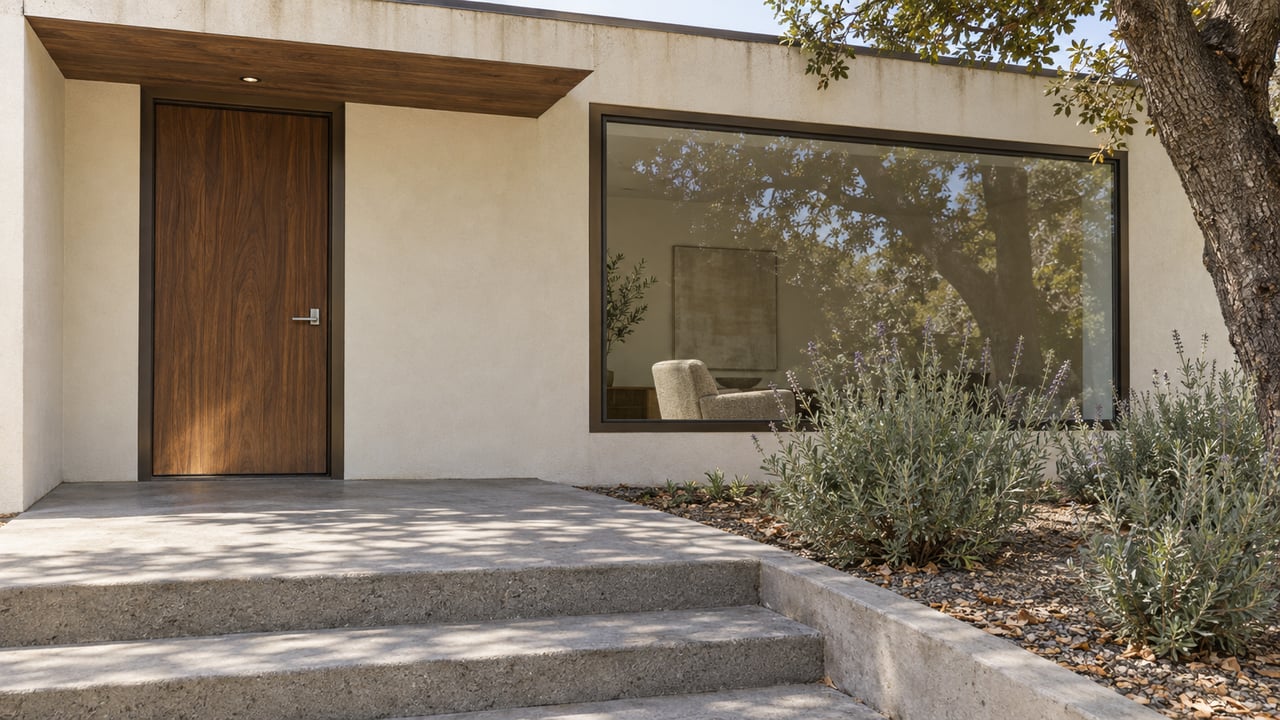
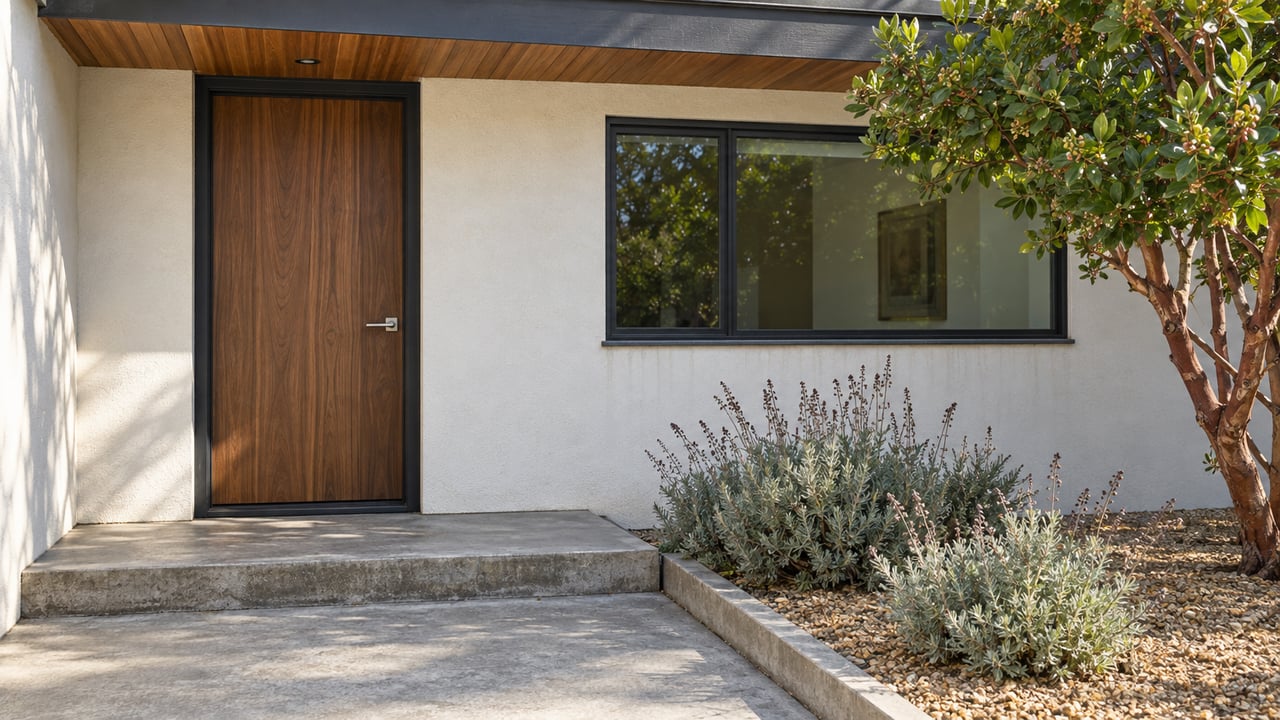
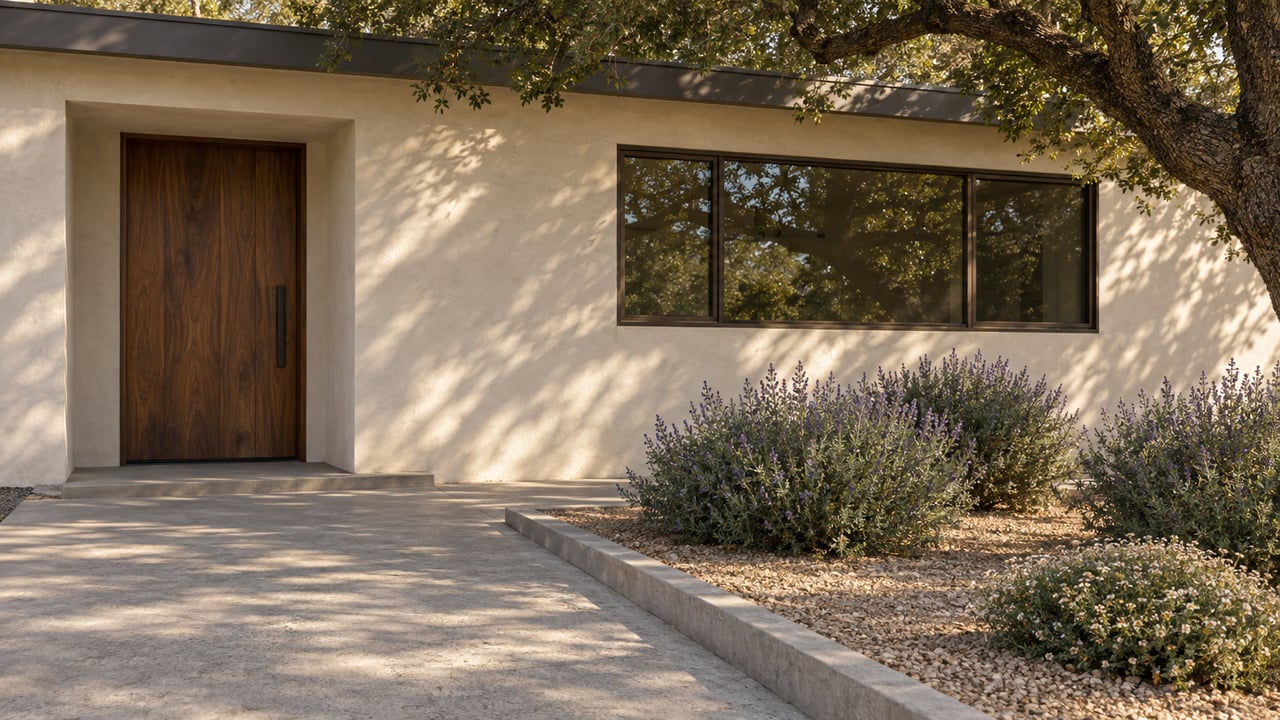
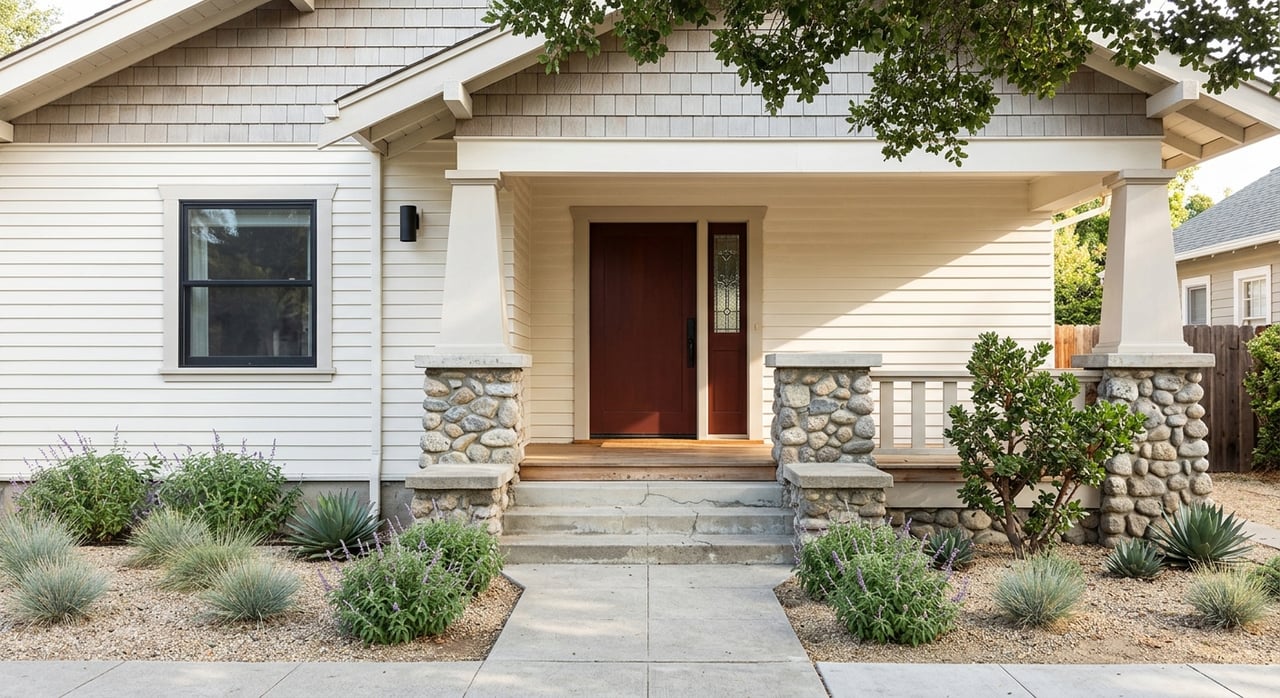
For many people, the biggest draw is the housing stock. Highland Park-Garvanza has a major preservation footprint, and current preservation material describes it as the city’s largest designated historic district and one of the few that includes commercial buildings. If you love architecture, this is one of the clearest reasons Highland Park stands out.
Craftsman is the predominant style, but it is far from the only one. Historic context documents for Northeast Los Angeles and Highland Park also identify Queen Anne, Eastlake, Folk Victorian, Shingle, Mission Revival, and Spanish Colonial Revival among the major styles represented in the area. That variety gives buyers a broader design range than the usual one-style shorthand suggests.
What Buyers Often Notice First
In practical terms, many homes here stand out because they feel specific. You may see front porches, wood details, older window patterns, sloped lots, mature landscaping, and layouts shaped by a different era of construction. Even when two homes have similar square footage, their feel can be very different based on style, condition, updates, and location within the neighborhood.
That is one reason Highland Park tends to appeal to design-minded buyers. If you care about how a home looks, flows, and tells a story, the area offers a lot to pay attention to. It is also why thoughtful presentation matters so much when selling a character property.
Preservation and New Housing Together
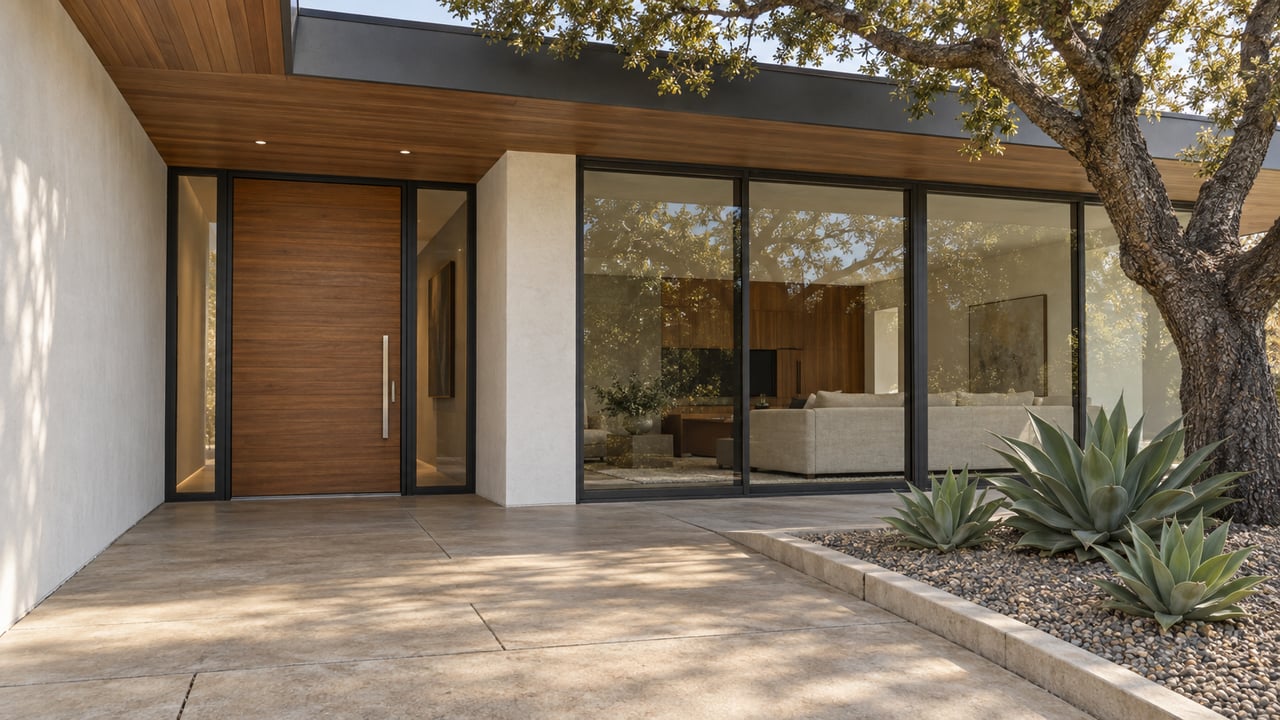
Highland Park is also a useful example of how historic preservation and newer housing can coexist. The Los Angeles Conservancy’s write-up on the A.V. Walberg project in Garvanza describes restored historic homes, adaptive reuse, a new single-family home, and an ADU on one site. That kind of project highlights a real neighborhood trend rather than a simple old-versus-new narrative.
For buyers and owners alike, this is important context. It suggests that architectural character and evolving housing needs do not have to cancel each other out. In Highland Park, both can exist on the same block and sometimes even on the same property.
What the Market Looks Like Now
If you are trying to make sense of Highland Park pricing, the clearest answer is that the market depends on the metric you are using. Recent sources point to different snapshots: Zillow reported an average home value of $1,053,387 as of February 28, 2026, Realtor.com showed a March 2026 median listing price of $1.16 million, and Redfin reported a February 2026 median sale price of $949,500, with homes taking about 52 days to sell.
That spread does not mean the data is unreliable. It means asking prices, modeled values, and closed sales measure different things. A practical shorthand is that Highland Park currently sits in a high-six-figure to low-seven-figure range, depending on whether you are looking at listings, sale data, or broader value estimates.
Why Source-Specific Pricing Matters
If you are buying, this is a reminder not to rely on one headline number. The right price for a specific property will depend on home type, architectural style, condition, lot, updates, and exact location. Redfin also noted recent inventory that included condos, a townhouse, and multi-family units alongside houses, which further explains why pricing can vary across the neighborhood.
If you are selling, this is where strong presentation and precise positioning become especially important. In a neighborhood where design, preservation, and lifestyle all shape demand, the way your home is prepared, photographed, and introduced to the market can influence how buyers respond. That is especially true for character homes, where visual storytelling often plays a bigger role.
Who Highland Park Appeals To
Highland Park can work for several kinds of buyers because it offers more than one kind of daily experience. Some people are drawn to the walkable commercial streets and local coffee culture. Others care most about the architecture, lot patterns, or the chance to buy a home with real visual identity.
It can also appeal to buyers looking at condos, multi-family options, or properties with adaptive reuse potential, since recent inventory has included more than detached homes alone. And for sellers, the neighborhood offers a strong setting for narrative-driven marketing because the surrounding lifestyle is easy to see and easy to describe.
Making a Smart Move in Highland Park
If you are thinking about buying in Highland Park, it helps to look beyond surface-level trend talk. Pay attention to the block, the corridor access, the home’s architectural style, and how much of the property’s character has been preserved or updated. In a neighborhood like this, those details often shape long-term satisfaction.
If you are preparing to sell, Highland Park rewards thoughtful strategy. Character homes often benefit from careful preparation, strong photography, and a clear story about how the property fits into the neighborhood’s lifestyle and design appeal. If you want guidance on buying or selling in Northeast Los Angeles, Alex Lozano brings a warm, design-minded approach with the kind of personalized service that helps you move forward with clarity.
FAQs
What makes Highland Park different from other Northeast Los Angeles neighborhoods?
- Highland Park stands out for its early streetcar-suburb history, layered arts tradition, active commercial corridors, and wide range of character homes, especially Craftsman properties.
What is the main commercial street in Highland Park?
- City planning materials identify North Figueroa Street as the main commercial street, while York Boulevard also remains important for local businesses and older commercial buildings.
What kinds of homes are common in Highland Park?
- Craftsman is the predominant style, but Highland Park also includes Queen Anne, Eastlake, Folk Victorian, Shingle, Mission Revival, and Spanish Colonial Revival homes.
Is Highland Park walkable for daily errands and outings?
- Redfin currently gives Highland Park a Walk Score of 77, which suggests many daily destinations are relatively accessible depending on where you live in the neighborhood.
How much do homes cost in Highland Park right now?
- Recent market snapshots vary by source, with figures ranging from a roughly $949,500 median sale price to a $1.16 million median listing price, so it is best to evaluate pricing based on the specific property and data source.
What are some popular lifestyle spots in Highland Park?
- Notable stops mentioned in current sources include Civil Coffee, Highland Park Bowl, Gimme Gimme Records, Avenue 50 Studio, La Tierra de la Culebra, and neighborhood parks like Highland Park Recreation Center and Garvanza Park.