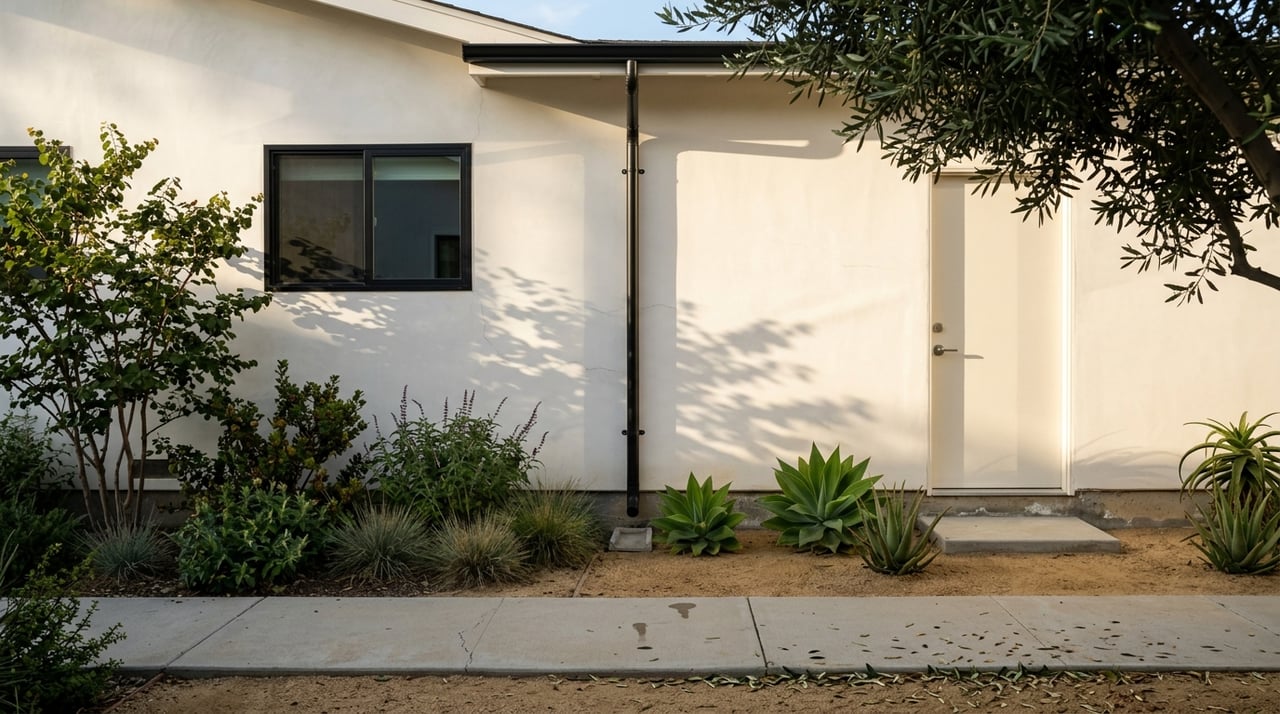
Wondering if a fixer in Highland Park is still worth the risk? It can be, but only if you treat the numbers, permits, and property rules with real discipline. In a neighborhood where values are high and block-by-block differences matter, a good deal is usually made before you close, not after. This checklist will help you evaluate a Highland Park fixer with clearer eyes and fewer surprises. Let’s dive in.
Why Highland Park Requires Careful Underwriting
Highland Park is not a low-cost entry market where you can rely on broad Los Angeles averages and hope the resale works out. Based on recent data, it is best treated as an expensive, highly comp-driven submarket, with reported values and sale prices hovering around the $1 million range depending on the source. That means your after-repair value should come from very recent nearby sales, not a citywide estimate from a different neighborhood.
Recent market-speed signals also point to the same conclusion: price discipline matters. Realtor.com market data for Highland Park showed homes selling about 2.08% below asking in February 2026, with a median 41 days on market. In practical terms, that means you should underwrite your deal based on realistic resale timing and pricing, not best-case assumptions.
Start With Parcel Research
Before you think about finishes, layout ideas, or rental income, confirm what you are actually buying at the parcel level. In Highland Park, city rules and overlays can change from one address to the next. A property that looks straightforward from the street may come with additional review requirements or a permit history that affects your renovation plan.
The best first stop is ZIMAS, the City Planning zoning search tool. The City states that ZIMAS shows zoning, land use, permit history, and overlay layers. Since many Los Angeles parcels sit under some type of overlay, this is one of the most important early checks in your due diligence process.
What to confirm in ZIMAS
- Zoning and land use designation
- Overlay layers affecting the parcel
- Permit history
- Basic property details that may affect your scope
- Any signs that exterior or structural work may trigger extra review
If your acquisition math depends on adding square footage, reworking the floor plan, or changing the exterior, this step is essential. It helps you identify risk before you write the offer, not after you own the problem.
Check Historic Status Early
One of the biggest Highland Park fixer variables is historic review. The neighborhood sits within the Northeast Los Angeles Community Plan area, and one of the most important overlays to check is the Highland Park-Garvanza HPOZ. According to the City, it is the largest HPOZ in Los Angeles, covering about 4,000 structures and including a wide range of historic architectural styles.
If the property is inside an HPOZ, exterior work is not business as usual. The City notes that exterior alterations, additions, new construction, and even landscaping are subject to added review. That can affect your timeline, design choices, carrying costs, and final renovation budget.
Why HPOZ status matters to investors
If a home falls within a historic district, you should verify whether it is contributing or non-contributing before you finalize your plan. The City specifically advises checking that status in ZIMAS before filing for work. For investors, that means schedule risk and redesign risk belong in your acquisition math from day one.
This does not mean you should avoid these properties. It means you should approach them with a design strategy that respects the structure’s character and leaves room in your timeline for added review.
Underwrite the Exit Conservatively
In Highland Park, your profit is often won or lost in the spread between your all-in basis and a realistic resale number. Because published market figures vary by source, the safest takeaway is simple: use very recent neighborhood comps and current market pace data. Broad averages can make a deal look better on paper than it will perform in real life.
A fixer that seems cheap relative to a glossy renovated listing may still be overpriced once you account for carrying time, closing costs, permit delays, and buyer expectations. Current Highland Park market trends suggest a market that is active but not frenzied. That gives buyers room to be selective, which makes finish quality and pricing strategy especially important.
Investor exit checklist
- Base after-repair value on nearby recent renovated sales
- Adjust for actual days on market, not ideal assumptions
- Avoid pricing from broad Los Angeles comps
- Include closing costs and carrying costs in the exit math
- Leave room for buyer negotiation if the market remains price-sensitive
Understand Rent Rules Before a Hold Strategy
If your plan is to keep the property as a rental, rent regulation is one of the biggest variables. In Los Angeles, whether a property is subject to the Rent Stabilization Ordinance or the Just Cause Ordinance can depend on factors such as the year built, unit count, and the configuration of the parcel. You should verify the rules before assuming your projected rent growth will hold.
According to LAHD guidance on Rent Stabilization Ordinance coverage, units built on or before October 1, 1978 may be subject to the City’s RSO. The same source notes that the Just Cause Ordinance covers most residential properties not already regulated by RSO, including many post-1978 units.
For July 1, 2025 through June 30, 2026, the annual RSO increase is 3%, with an additional 1% possible if the landlord provides gas and electric service. The research also notes that AB 1482 caps many non-RSO units at 5% plus local CPI or 10%, whichever is lower. For investors, that means hold math should focus on rules and structure, not just today’s market rent.
What to verify for a rental hold
- Year built
- Number of units on the parcel
- Whether there is an ADU or JADU
- Current rental registration obligations, if any
- Whether projected rent growth aligns with current rules
This point matters even more because LAHD guidance on ADUs and JADUs says those additions can affect whether a parcel is subject to RSO or JCO. If your hold strategy depends on adding or renting an accessory unit, confirm the regulatory impact before you move forward.
Budget for Permits, Not Just Construction
A common fixer mistake is building the budget around visible upgrades while underestimating paperwork, approvals, and inspections. In Los Angeles, permits are required for many types of work, including construction, alterations, repairs, additions, structural changes, and interior floor plan modifications. If your scope is more than cosmetic, permitting is not optional.
LADBS plan review and permitting guidance makes clear that some projects may qualify for Express Permits, while more complex work requires plan check. The City also notes that permits and inspections are required by law and provide documentation that can help when the property is later refinanced or sold. That documentation can become part of your value story at resale.
Budget items investors often miss
- Permit fees
- Plan-check time
- Additional department clearances
- Inspection timing
- Redesign costs if plans need revision
- Carrying costs during approval delays
If the property is in a historic district, these line items deserve even more attention. Design compatibility review can alter the scope after plans are drafted, which is exactly why contingency should be built into your numbers from the start.
Focus on Improvements Buyers Notice
Not every dollar you spend will return the same value. Research cited in your planning should point you toward improvements that buyers recognize quickly and reward in the market. In a high-cost neighborhood like Highland Park, thoughtful updates often perform better than flashy over-customization.
According to Zillow’s remodeling research, remodeled homes sold for 3.7% more than expected in 2024 and received 26% more daily saves, while fixer-uppers sold for 7.3% less than similar homes. That gap supports a practical strategy: if you are taking on a Highland Park fixer, you want the finished product to feel complete, intentional, and market-ready.
Best value-add priorities
- Kitchen upgrades
- Bathroom renovations
- Whole-home paint
- Roofing, where needed
- Entry doors and curb-appeal improvements
- Outdoor areas that improve livability
In Highland Park, there is also a design lesson here. Buyers often respond well to updates that improve function and comfort while staying compatible with the home’s architectural character. Preserving period details where possible, while modernizing kitchens, baths, systems, and outdoor living, may create a stronger end product than forcing a style that does not fit the property.
Use a Simple Fixer Checklist
When you are evaluating multiple properties, a repeatable checklist keeps emotion from driving the deal. Highland Park can reward well-bought renovations, but it can also punish loose assumptions. A property that looks like an easy cosmetic project may involve more review, more regulation, or more timeline risk than expected.
Here is a practical checklist to use before you commit:
Highland Park fixer checklist
- Confirm the parcel in ZIMAS
- Capture zoning, overlays, and permit history
- Verify whether the property sits in the Highland Park-Garvanza HPOZ
- Check whether the structure is contributing or non-contributing
- Review year built, unit count, and any ADU or JADU
- Confirm likely rent-rule implications for a hold strategy
- Underwrite resale using recent nearby comps and current market pace
- Build in permit costs, plan-check time, and contingency
- Prioritize upgrades buyers notice immediately
- Keep renovation choices compatible with the home’s character
The goal is not just to buy a fixer. It is to buy one with a clear path from acquisition to renovation to exit.
If you are looking at investment opportunities in Highland Park or Northeast Los Angeles, working with someone who understands design, presentation, and neighborhood-level pricing can help you spot upside and avoid expensive missteps. When you are ready to talk through a property, connect with Alex Lozano for thoughtful, local guidance.
FAQs
What should you check before buying a fixer in Highland Park?
- Start with parcel-level research in ZIMAS, then confirm overlays, permit history, HPOZ status, year built, unit count, and realistic resale comps before making an offer.
How does HPOZ status affect a Highland Park fixer?
- If a property is inside the Highland Park-Garvanza HPOZ, exterior work, additions, new construction, and landscaping may require added review, which can affect timeline, design, and budget.
How should you estimate after-repair value in Highland Park?
- Use very recent nearby sales of comparable renovated homes and factor in current days on market rather than relying on broad Los Angeles averages.
What rent rules matter for a Highland Park hold property?
- You should verify whether the property may fall under the Rent Stabilization Ordinance or Just Cause Ordinance by reviewing year built, unit count, and whether the parcel includes an ADU or JADU.
Which renovations add the most value to a Highland Park fixer?
- Kitchen and bath updates, paint, roofing when needed, entry improvements, and outdoor livability upgrades tend to stand out most, especially when they remain compatible with the home’s architecture.