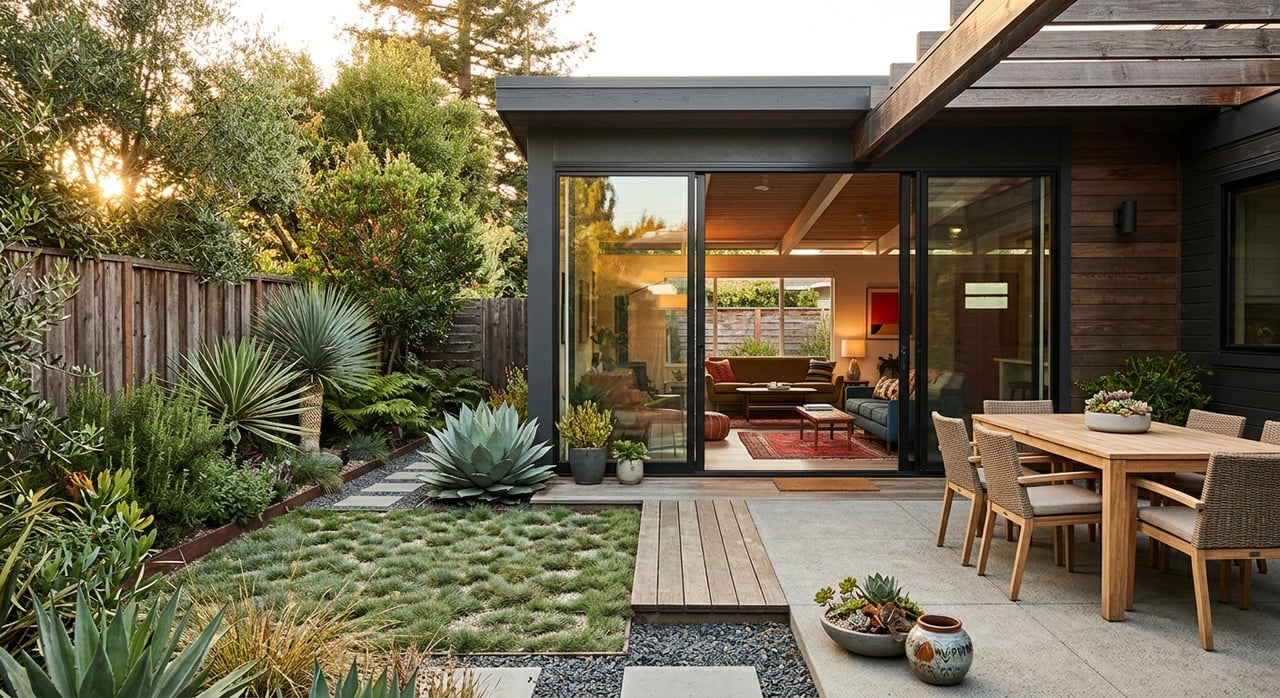
Wondering whether a townhome or a house makes more sense for your next chapter in San Gabriel? If your household is growing, that choice can affect your daily routine, your monthly budget, and how much room you have to adapt over time. In a city where housing is older, space can vary block by block, and ownership details matter, it helps to look beyond the listing photos. Let’s dive in.
Why this choice matters in San Gabriel
San Gabriel is a compact, established city with about 37,926 residents and 12,612 households. The average household size is 3.0 people, and just over half of homes are owner-occupied. With a median owner-occupied home value of $945,700 and a median monthly mortgage cost of $2,994, many buyers here weigh both purchase price and long-term carrying costs carefully.
That local context matters when you compare townhomes and houses. In San Gabriel, you are not just choosing a floor plan. You are also choosing how much maintenance you want, how much outdoor control you need, and how much flexibility you may want a few years from now.
San Gabriel housing is block specific
One of the biggest realities in San Gabriel is that housing patterns change by area. City planning materials describe the housing stock as still mostly single-family, with a meaningful share of attached and multi-family homes. The city also notes that roughly 68% to nearly 70% of the housing stock is more than 30 years old, which can shape repair needs, remodeling plans, and day-to-day upkeep.
The city’s historic survey adds another important layer. Multi-family housing is relatively rare and tends to be concentrated in the geographic center of the city and near the Valley Boulevard corridor. By contrast, San Gabriel Village in the southwest and several northern and northwestern historic districts are overwhelmingly single-family.
For you, that means the townhome versus house decision is often tied to exact location. Two homes with similar square footage can offer very different ownership experiences depending on the tract, the street, and the legal setup of the property.
Townhomes can simplify everyday ownership
For many growing households, a townhome can offer a practical starting point. You may get an efficient interior layout, attached-home living, and less exterior work on your personal to-do list. That can be appealing if you want to spend less time managing the outside of the property.
In California, though, the word townhome does not always describe a single legal ownership form. The California Department of Real Estate says townhome is usually an architectural description, not a statutory definition. A property that looks like a townhome may legally be a condominium or a planned development.
That distinction matters because the ownership details affect what you actually control. Private yard areas, driveways, parking spaces, patios, and balconies may be exclusive-use common area rather than fully private space. In plain terms, you may have the right to use them, but the rules and maintenance obligations can be shaped by the governing documents.
When a townhome may fit well
A townhome may be a strong fit if you want:
- A more compact footprint
- Lower exterior upkeep from month to month
- Shared maintenance handled through an HOA structure
- A layout that supports your needs without a large lot
If your priority is convenience and predictable routines, a well-run townhome community can check a lot of boxes.
Houses offer more control and flexibility
A detached house often gives you more control over the lot, yard use, and future alterations. For a growing household, that extra control can become more valuable over time. You may want more outdoor space, room to remodel, or the ability to adapt the property as your needs change.
That said, San Gabriel houses are not all large-lot suburban properties. Because the city’s housing stock is older, many detached homes are modest in scale. In some neighborhoods, especially south of Las Tunas, the city survey notes that older houses have been demolished and replaced with larger contemporary homes, so the range can be wide.
When a house may fit better
A detached house may be the better match if you value:
- More control over yard and lot use
- Greater freedom for future remodeling
- Clearer expansion potential over time
- Fewer shared-space rules affecting outdoor areas
If you are planning several years ahead, a house often gives you more ways to adjust without needing as much HOA approval.
Outdoor space is not always what it seems
For many households, outdoor space is a deciding factor. You may picture a patio for relaxing, a place for hobbies, or flexible yard space for future needs. In San Gabriel, it is worth slowing down and confirming what that outdoor area really is.
With townhomes, the patio, yard strip, driveway, or balcony may not be owned the same way as the interior. It may be exclusive-use common area, which means your rights are defined by the project documents. A detached house usually gives you more direct control, though lot size and layout still vary by neighborhood.
This is one reason the label alone is not enough. A townhome with a smart layout may live larger than expected indoors, while a detached home may offer more meaningful outdoor flexibility even if the interior square footage is similar.
ADU potential can shape the long game
If you are thinking beyond the next year or two, accessory dwelling units may be part of your decision. San Gabriel states that ADUs are attached or detached structures on the same parcel as a single-family dwelling unit. The city updated its ADU and JADU regulations in April 2024 for properties in all residential zones under state law.
For a detached house, that can create more obvious long-term flexibility. You may see future potential for added living space or a more adaptable property setup. With a townhome, that kind of expansion is usually less straightforward, and you would need to verify the legal form, project rules, and CC&Rs before assuming any similar option exists.
Monthly costs are more than the mortgage
In San Gabriel, affordability is not only about the purchase price. It is also about what ownership feels like month after month. That is where townhomes and houses can differ quite a bit.
Townhome owners often pay HOA dues, and those dues may cover items such as roofs, exterior paint, landscaping, private streets, recreation areas, and reserve funds. The exact breakdown depends on the project design and the CC&Rs, not just the property type itself.
California law helps explain why this setup can feel simpler. Unless the governing documents say otherwise, the association is generally responsible for common area maintenance, while owners are responsible for their separate interests. Reserve studies are also required at least every three years for qualifying associations, with annual review, and if reserve funds are not enough, associations may finance repairs and levy emergency assessments.
That means HOA dues can buy convenience, but they do not eliminate financial risk. You should still understand what the dues cover, how reserves are funded, and whether the project appears well maintained.
Detached houses usually shift more responsibility directly to you. The city of San Gabriel notes that homeowners are responsible for the sewer line from the house to the point where it connects with the main line. That is a good reminder that owning a house often means fewer shared rules, but also more direct repair exposure.
Read the documents, not just the listing
This may be the most important part of the comparison. In San Gabriel, the better fit often comes down to legal documents and tract design rather than the word townhome or house.
For attached homes and planned developments, the California Department of Real Estate says buyers should review the public report, CC&Rs, costs, assessments, and other material information before becoming obligated to purchase. Maintenance responsibility in these projects is not uniform. Two properties that look similar from the street can have very different rules about roofs, patios, parking, and exterior repairs.
Even some detached homes may be part of planned developments with HOA-owned common areas. So if you are comparing options, it is smart to ask detailed questions early and not assume anything is standard.
Shop by address, not just city name
San Gabriel rewards buyers who get specific. The city’s zoning information includes R-1, R-2, and R-3 residential standards, along with the Mission District and Valley Boulevard specific plans. That means development pattern and use standards can vary depending on where a property sits.
School assignment should also be checked by exact address using district boundary information. For a growing household, that kind of address-level due diligence can be just as important as the home type itself.
A practical way to decide
If you want a simple rule of thumb, here it is. In San Gabriel, townhomes often make sense for households that want a compact footprint and lower exterior upkeep. Detached houses often make more sense for households that value yard control, renovation freedom, and future expansion potential.
The best choice depends on how you live now and how you expect your needs to change. If you would like more flexibility over time, a house may justify the added responsibility. If you want a manageable day-to-day ownership experience, a townhome may be the smarter fit, especially if the layout is efficient and the HOA is well run.
A thoughtful comparison can save you from buying the wrong kind of space for your next stage. If you want help weighing San Gabriel townhomes against houses at the property level, Alex Lozano can help you look beyond the photos and focus on fit, flexibility, and the details that matter.
FAQs
What is the main difference between a San Gabriel townhome and a house for a growing household?
- A townhome may offer lower exterior upkeep and a more compact layout, while a detached house usually offers more yard control, remodeling flexibility, and clearer long-term expansion potential.
Do San Gabriel townhomes always include private outdoor space?
- Not always. Patios, balconies, driveways, parking spaces, and yard areas may be exclusive-use common area rather than fully private property, so you should verify the legal setup and project rules.
Are older homes common in San Gabriel?
- Yes. City planning materials say roughly 68% to nearly 70% of the housing stock is more than 30 years old, which can affect maintenance needs and remodeling expectations.
Can a detached house in San Gabriel offer more future flexibility than a townhome?
- Often, yes. A detached house may offer more straightforward options for changes over time, including ADU potential, while a townhome buyer should verify what the legal form and CC&Rs allow.
Do all San Gabriel townhomes have the same HOA responsibilities?
- No. Maintenance obligations and cost responsibilities are project-specific and depend on the governing documents, so it is important to review the CC&Rs, assessments, and other disclosures carefully.
Should you compare San Gabriel homes by neighborhood or by exact address?
- By exact address. Housing patterns, zoning context, and school assignment boundaries can vary across San Gabriel, so address-level research is important when comparing options.